

![[Sunday] Creation Sustained Most Certainly True](https://images.squarespace-cdn.com/content/v1/5852f18a20099e30cd2c01dc/1768530963354-TSOEU855UMIOFGEUKRCL/Certainly+True+2a.jpg)
[Sunday] Creation Sustained Most Certainly True
From manna in the wilderness to the groceries in your cart, discover how God actively provides for us through Jesus and the vocation of others.
From manna in the wilderness to the groceries in your cart, discover how God actively provides for us through Jesus and the vocation of others.
Questions for the Week: Apostles Creed: Creation Sustained
Read Exodus 16:1-8. The Israelites wanted to go back to slavery because they were afraid they wouldn't have enough food. In what areas of your life (finances, relationships, future security) do you find yourself "grumbling" or panicking about not having enough, rather than trusting God’s daily provision?
Think about something you used today (like your lunch or your clothes). How many different people did God use to get that item to you? How does that change the way you think about "ordinary" jobs?
God works through us to provide for others. In your current role (as a student, a parent, a worker, or a friend), how is God using your hands to provide "daily bread" or help to someone else?

What Had happened at Grace this week.

![[Sunday] Good Creation Most Certainly True](https://images.squarespace-cdn.com/content/v1/5852f18a20099e30cd2c01dc/1767931204162-S0EG3ZJDEUVLBCHI284L/Certainly+True+1a.jpg)
![Children’s Ministry in the New Year [Photos]](https://images.squarespace-cdn.com/content/v1/5852f18a20099e30cd2c01dc/1767924772825-5SW6XCAIOSBT9TJN4HWZ/PXL_20260104_222951109.jpg)


![[Sunday] Epiphany - We Three Kings](https://images.squarespace-cdn.com/content/v1/5852f18a20099e30cd2c01dc/1767125671191-FUYDUJF532NJJ4IKWZHZ/Christmas+light+7a.jpg)
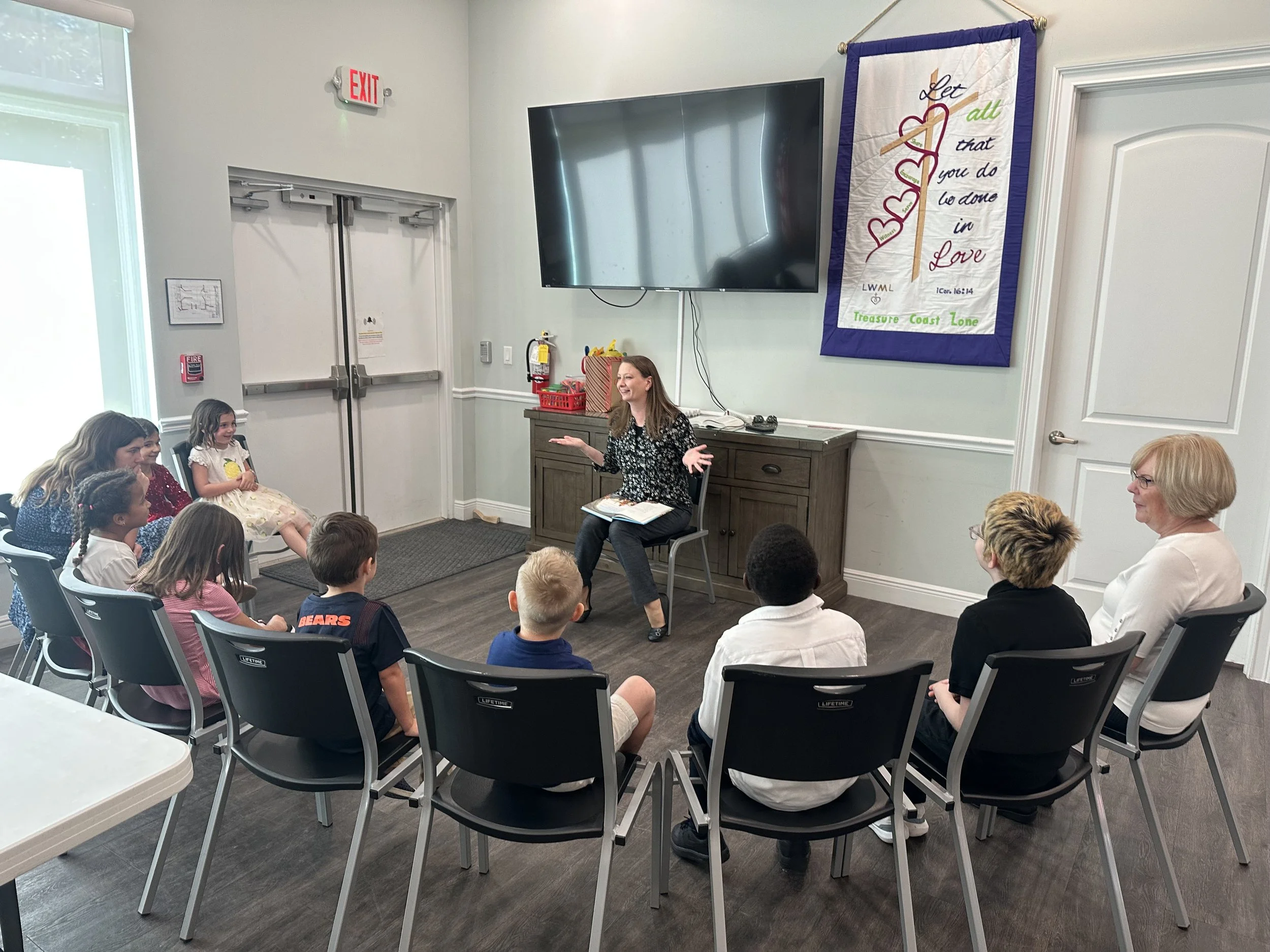
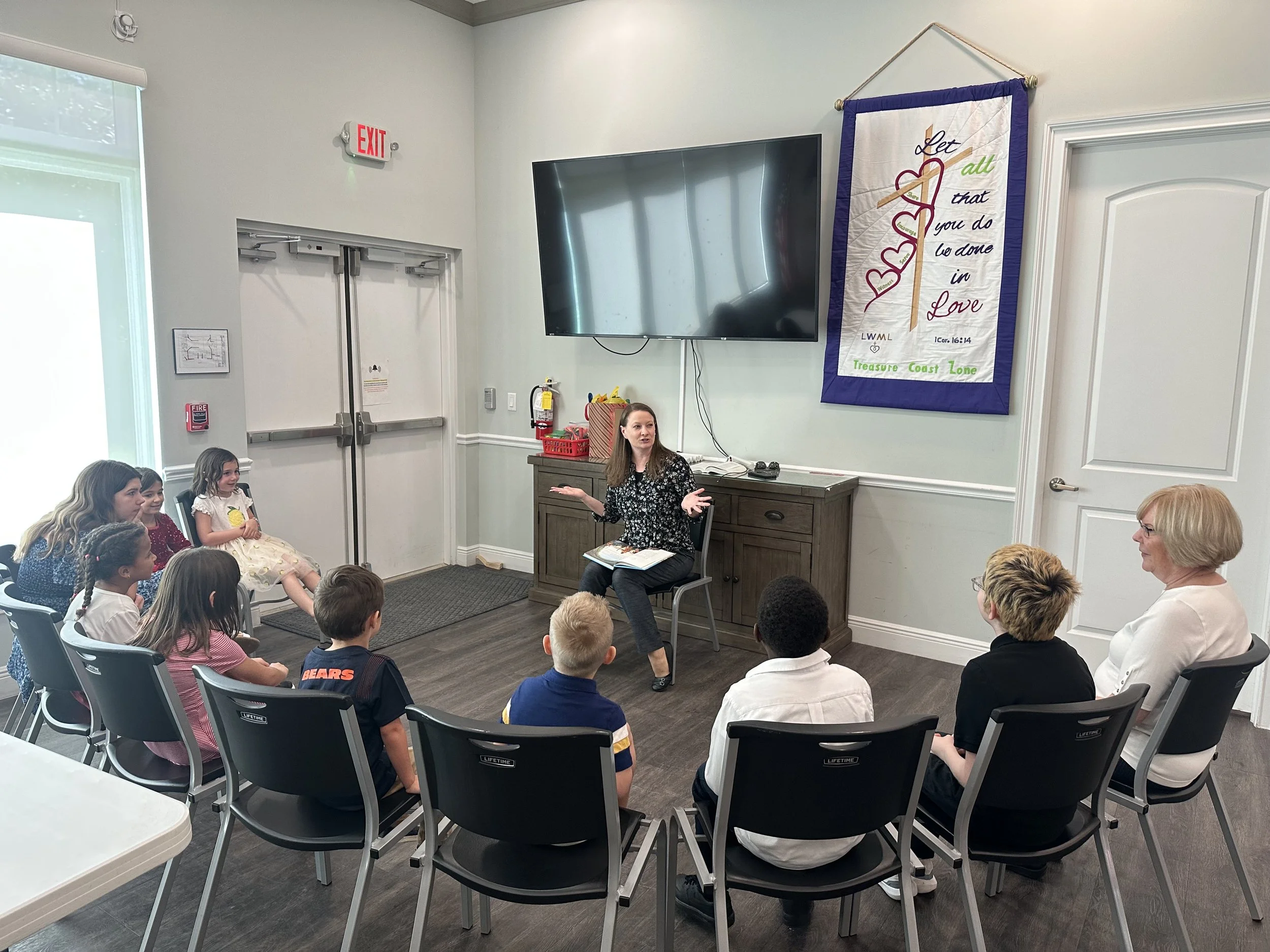
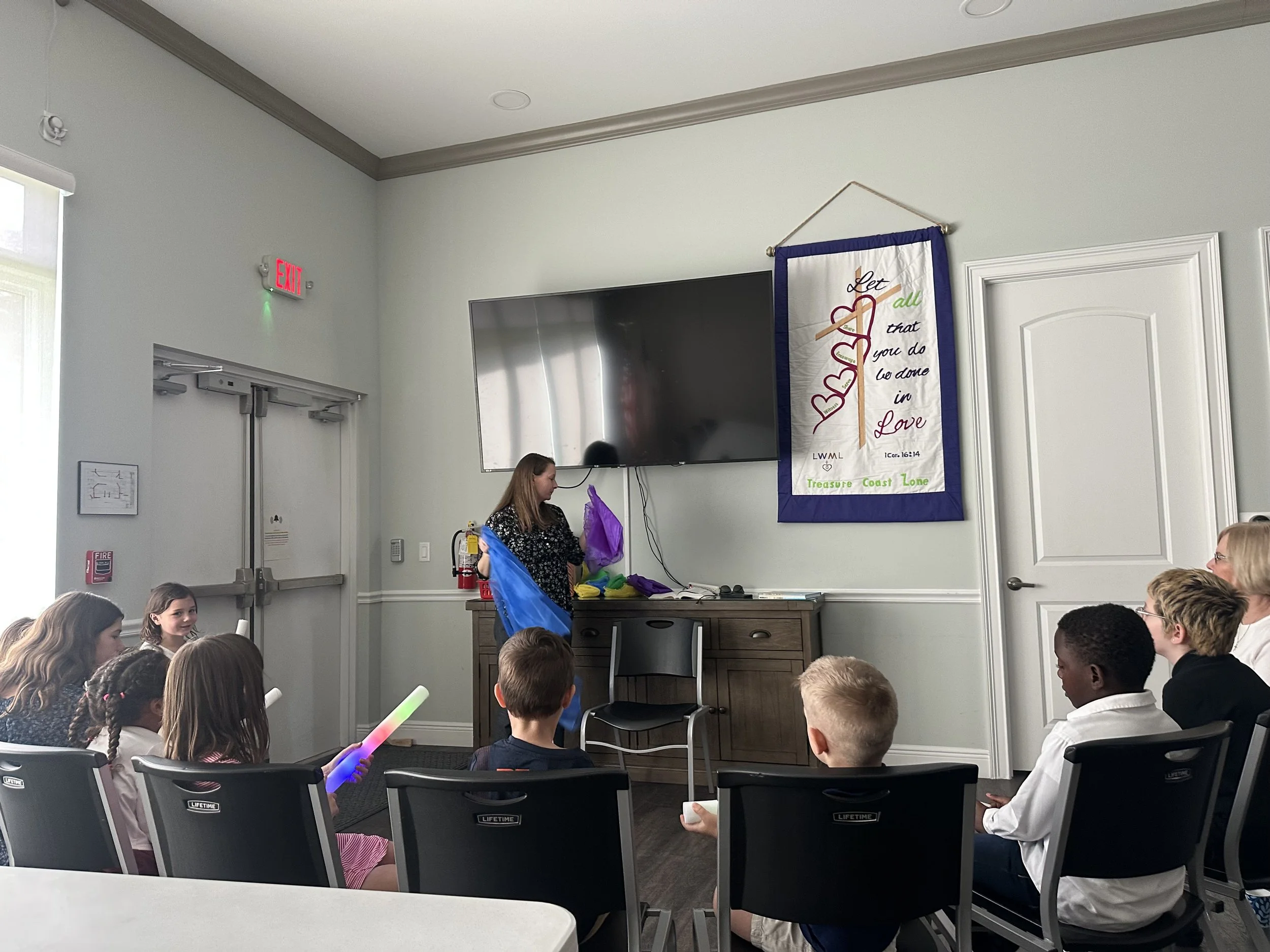
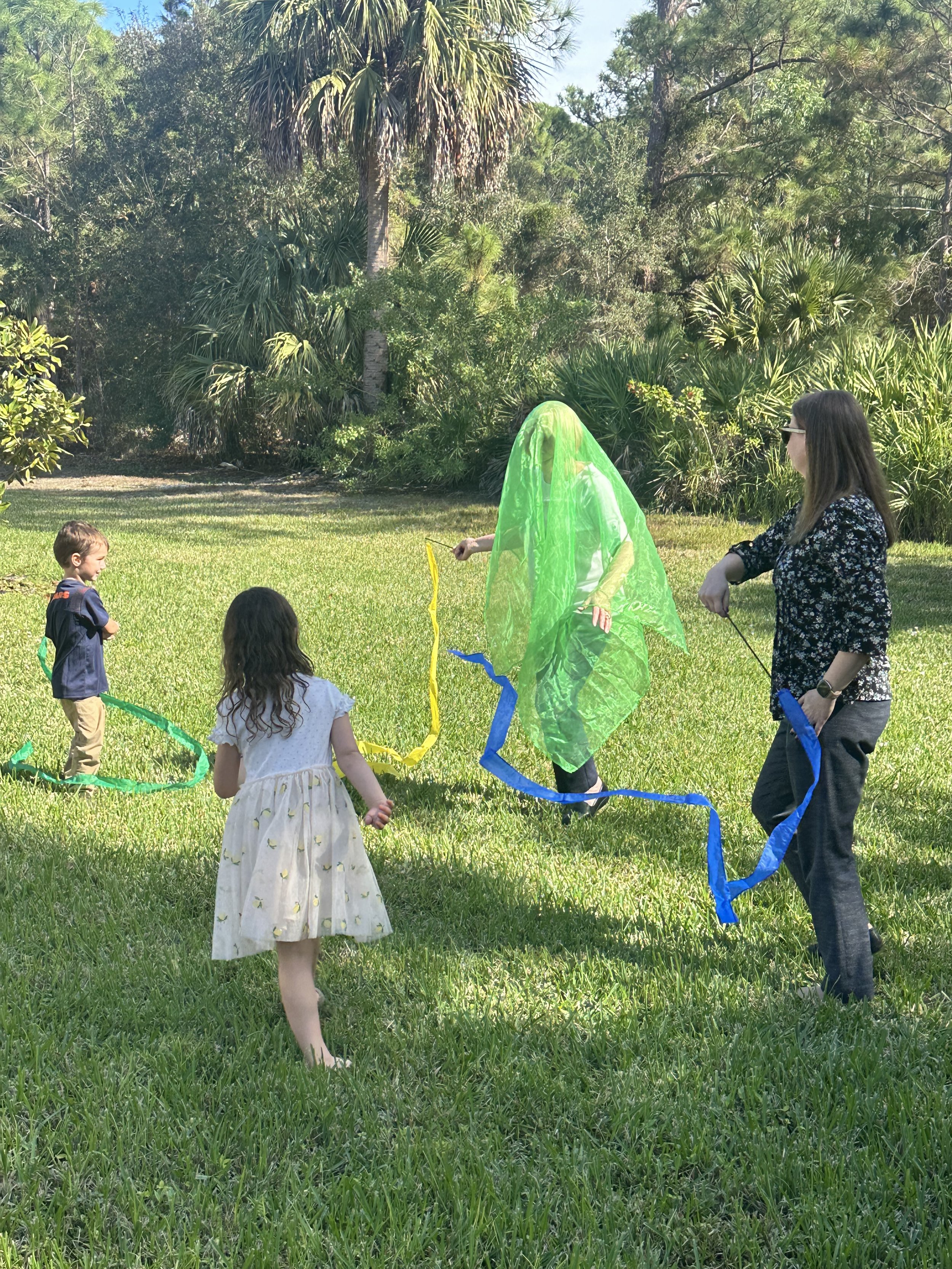
2nd Sunday School in January
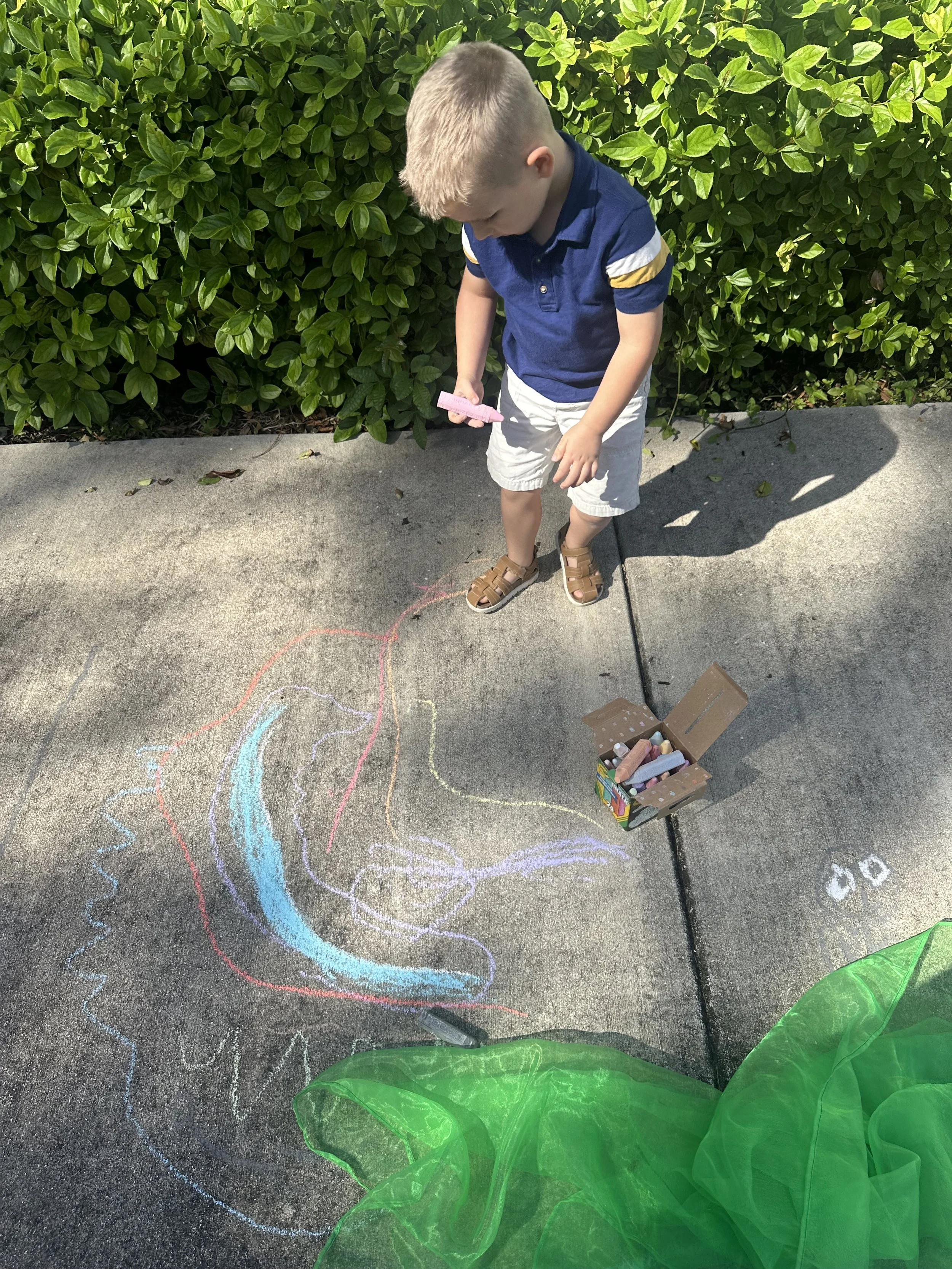
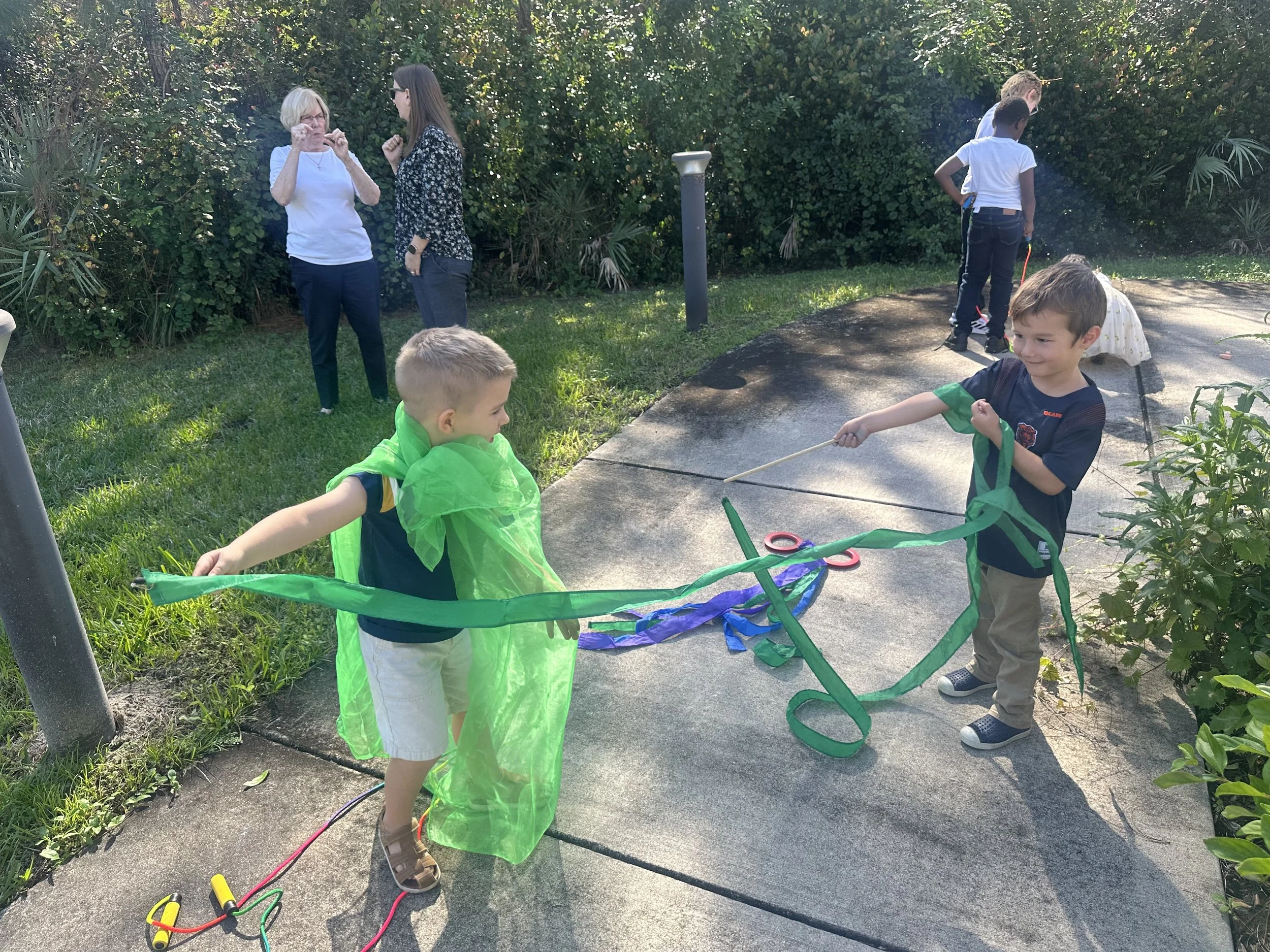
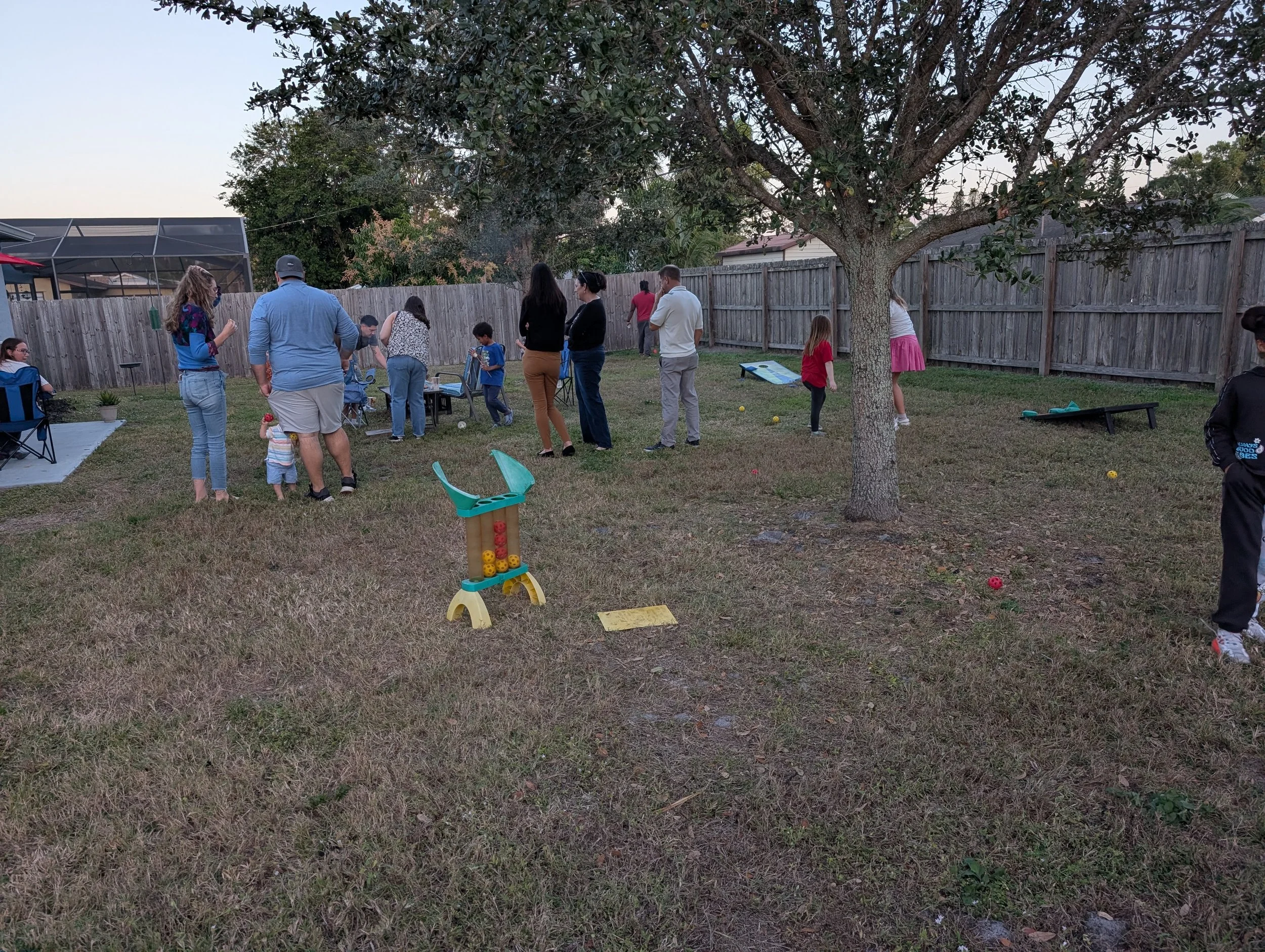
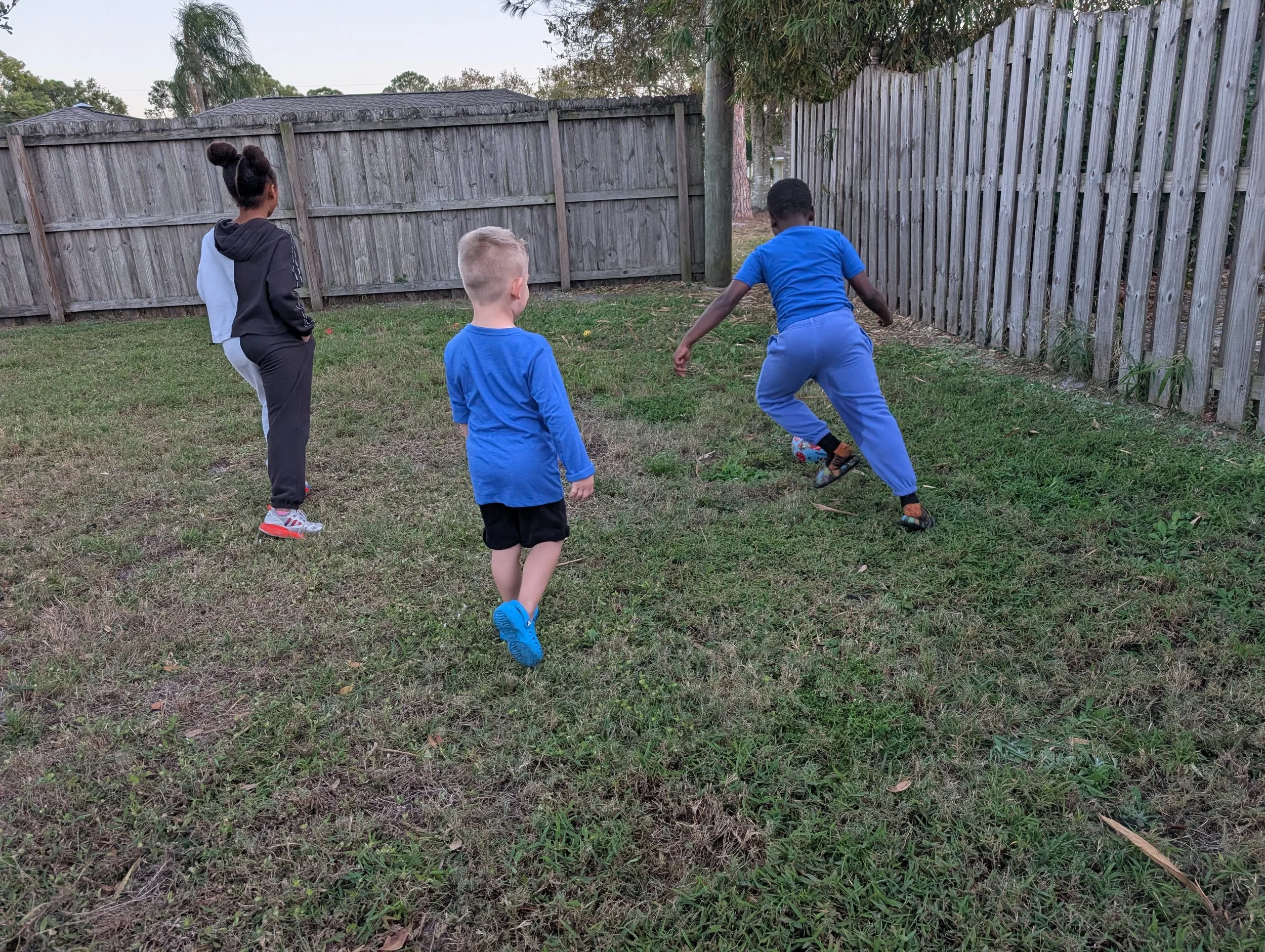
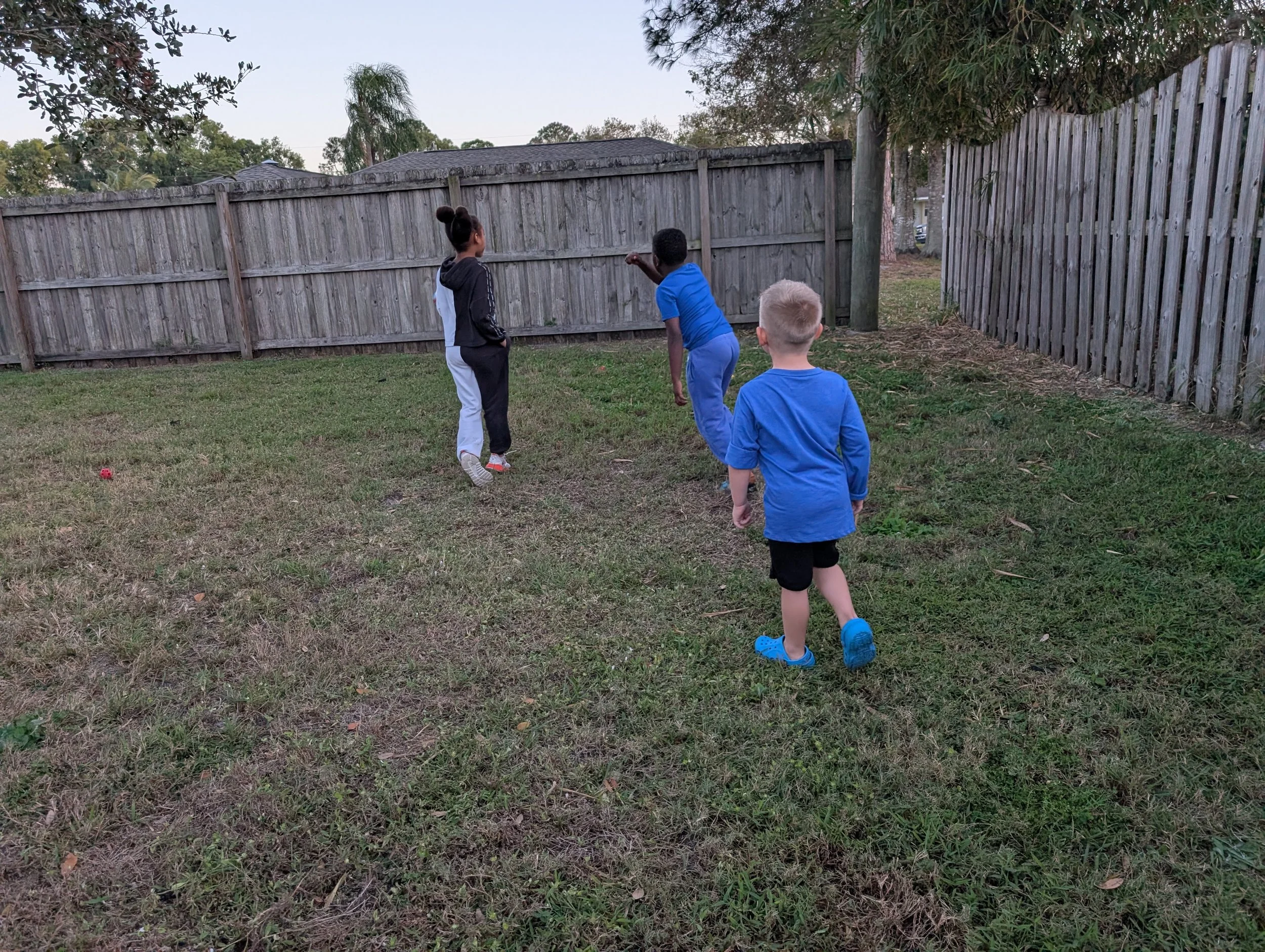
Having fun time outside
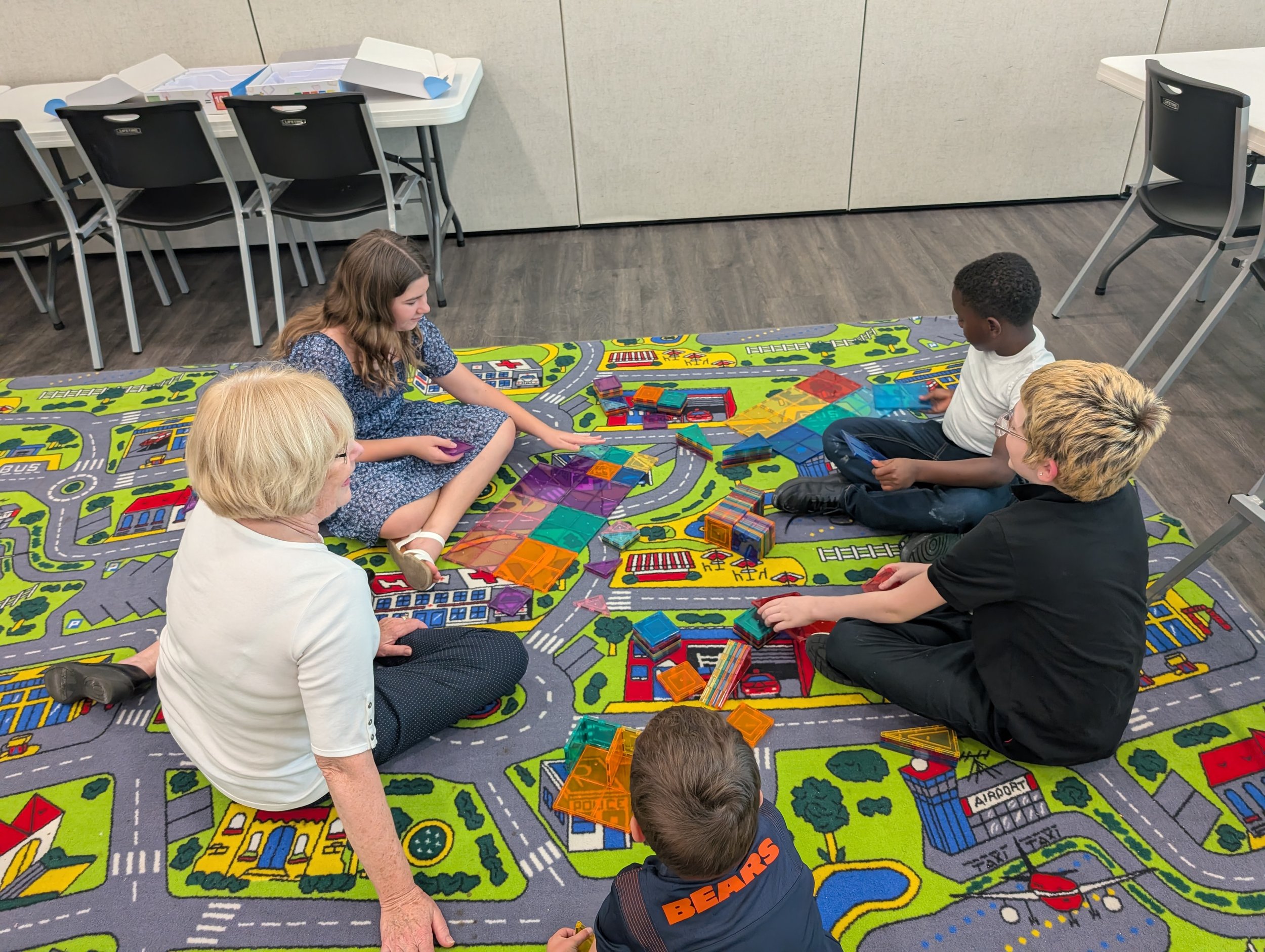
The Kids began the new year by talking more about David and enjoying just some fun times together.
























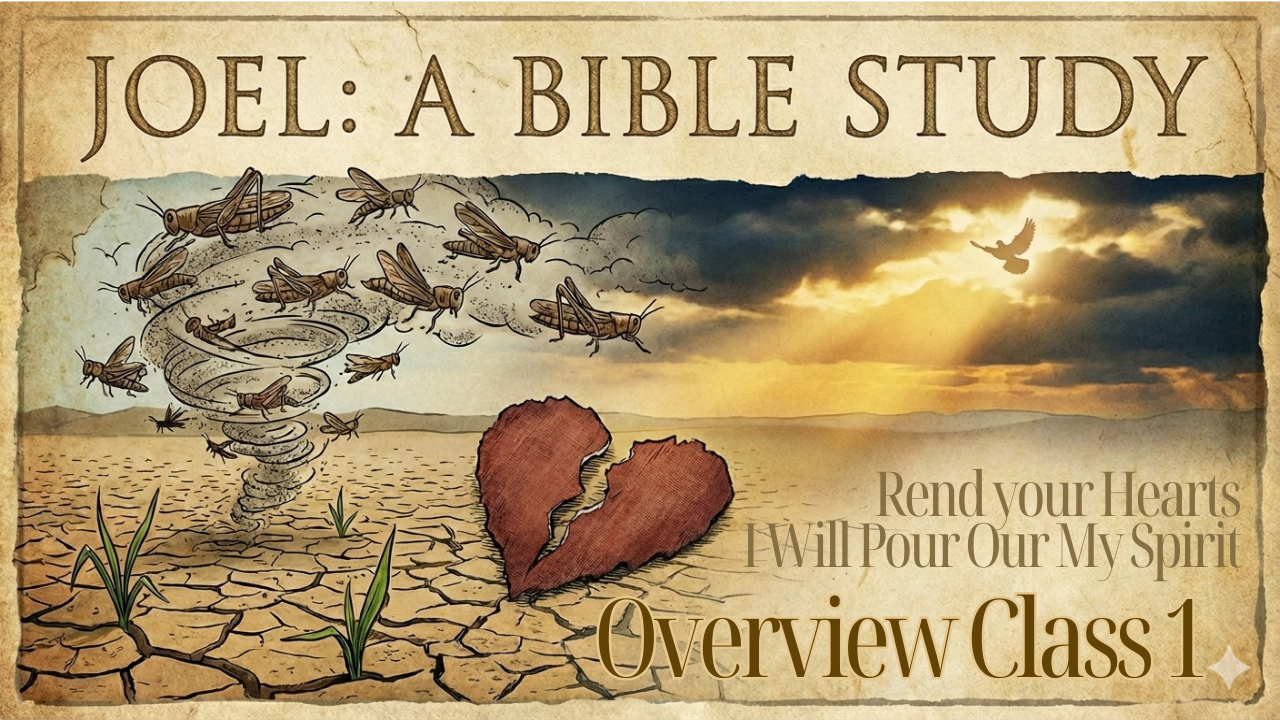
Joel Chapters 1-2:27 - Bible Study
This week in our study of Joel, we explored chapters 1 and 2, discussing how the prophet uses the imagery of a devastating locust plague to represent a coming judgment, call God's people to heartfelt repentance, and promise profound restoration and the outpouring of His Spirit.
Joel Chapters 1-2:27
This is our 2nd class on Joel
This is an AI Recap of the class.
Some things may be incorrect.
Short Summary of the Class
Our class dove into the first two chapters of the book of Joel, beginning with the vivid and destructive imagery of a locust plague. We discussed how this natural disaster served as a metaphor for the spiritual state of Israel, whose turning away from God resulted in a loss of fruitfulness reminiscent of the Fall in Eden. The locusts were then re-imagined as a terrifying, unstoppable army in chapter two, symbolizing the "Day of the Lord"—a time of divine judgment against Israel for emulating the corrupt empires around them, like Assyria and Babylon. The group explored the themes of creation's suffering, the futility of human defenses against God's judgment, and the profound call to sincere, heartfelt repentance offered by God, who is gracious and merciful, promising complete restoration and the ultimate outpouring of His Spirit.
Detailed Class Summary
Section 1: The Plague of Locusts and Echoes of the Past (Joel Chapter 1)
Our discussion began by reading through Joel chapter 1, which opens with a dramatic and urgent call to witness an unprecedented disaster—a complete devastation of the land by waves of locusts. We concluded that the "farmers" and "vinedressers" (v. 11) are symbolic of God's people, Israel, whose failure to live out the word has led to a spiritual "drought." The imagery of desolation, with vines wasted and fig trees stripped bare (v. 7), was seen as a "death of Eden."
We connected this to the grand narrative of the Bible, starting with the fruitful creation in the Garden of Eden. Sin brought death and a loss of that fruitfulness, a pattern repeated at the Tower of Babel. A cycle was identified where God's people, after being rescued, chase after "Babylon"—a term we used for corrupt, power-hungry empires—which leads them back into desolation. The strong connection to the book of Exodus was also noted; the locust plague in Joel serves as a direct reminder of the eighth plague God sent upon Egypt, framing this event not as a random catastrophe but as an act of divine judgment. The devastation was so complete that the priests could no longer make their daily grain sacrifices, showing a complete breakdown in their relationship with God and causing suffering for all creation. A key point was raised from verse 3: "Tell your children about it... and their children another generation." This disaster is meant to be a lasting lesson to break the cycle of forgetting God, embracing sin, and facing judgment.
Summary of Section 1: In this section, we interpreted the locust plague in Joel 1 as a metaphor for the spiritual death and desolation Israel experienced by turning away from God. This act of chasing after worldly empires ("Babylon") reversed the fruitfulness of Eden, causing all of creation to suffer and serving as a divine judgment reminiscent of the plagues in Egypt. The event was meant to be a lesson passed down through generations.
Bible Verses Mentioned: Joel 1 (entire chapter), especially Joel 1:3, 7, 11
Stories Mentioned: The 10 Plagues of Egypt, The Garden of Eden (Creation), The Tower of Babel, The Israelites wandering in the wilderness.
Section 2: The Day of the Lord and the Invading Army (Joel Chapters 1 & 2)
We then focused on the concept of the "Day of the Lord," mentioned in Joel 1:15. This was defined as a great and glorious day of reckoning or judgment from God, now directed at Israel itself. The reason, as one member put it, was that "they were trying to be Babylon so bad themselves." God was allowing them to be overcome by the very corrupt empires they desired to emulate. The invading nation mentioned in Joel 1:6 was identified as Assyria, acting as a "Babylon-type" empire in this context.
Moving into chapter 2, we observed a shift in the imagery. The locusts are now described as a terrifying and unstoppable army of soldiers (Joel 2:4-9). The class noted the sheer terror this would inspire, as the army scales walls like ninjas, enters homes like thieves, and cannot be stopped by weapons. This brought up a point about complacency: the people trusted in their man-made walls rather than in God. The imagery emphasizes the overwhelming nature of God's judgment; no human defense could stand against the "army" He was sending. Verse 11 makes it explicit: "The Lord gives voice before His army... For strong is the one who executes his word." The destruction was coming from God Himself, a terrifying description also linked to the future tribulation in the book of Revelation.
Summary of Section 2: This part of our study defined the "Day of the Lord" as a time of divine judgment now aimed at Israel for emulating corrupt empires like Assyria. In chapter 2, the locusts are re-imagined as a terrifying, supernatural army sent by God, highlighting the futility of human defenses against His judgment.
Bible Verses Mentioned: Joel 1:6, 1:15; Joel 2:4-9, 11
Bible Characters Mentioned: Jeremiah, Daniel
Stories Mentioned: The Plagues of Egypt, The Crossing of the Red Sea, The Book of Revelation (Tribulation).
Section 3: The Call to Genuine Repentance (Joel Chapter 2:12-17)
At the height of this despair, the tone of the text dramatically shifts. Beginning in verse 12, God offers a way out with a desperate call for genuine repentance: "Turn to me with all your heart, with fasting, with weeping, and with mourning." The key instruction is to "rend your heart, and not your garments" (v. 13), which the class interpreted as a critique of performative, outward expressions of righteousness. God calls for a deep, internal change, not just going through the expected motions.
The discussion highlighted that Joel 2:13 ("for he is gracious and merciful, slow to anger, and abounding in steadfast love") is a direct quotation from Exodus 34:6. This quote originally appeared after the golden calf incident, another time Israel had turned from God. Its repetition throughout the Old Testament serves as a constant reminder of God's fundamental character, offering hope even in the darkest times. The call to repentance is for the entire nation, from elders to children, to assemble and cry out to God to spare them, based on the hope found in His merciful nature.
Summary of Section 3: Amid the terrifying prophecy of judgment, God extends a profound invitation to heartfelt, genuine repentance. The command to "rend your heart, not your garments" signifies a call for deep, internal change over empty, outward rituals. The hope for this repentance is grounded in God's own character, described as gracious and merciful, echoing His words from Exodus.
Bible Verses Mentioned: Joel 2:12-17; Exodus 34:6
Stories Mentioned: The Golden Calf Incident.
Section 4: The Promise of Restoration and the Spirit (Joel Chapter 2:18-32)
The final part of our discussion focused on God's response to this repentance. The Lord becomes "zealous for his land and pitied his people" (Joel 2:18) and promises total restoration. He will not only remove the invading "northern army" but also restore the land's fruitfulness. The promise, "I will restore to you the years that the swarming locust has eaten" (v. 25), is a powerful declaration that God will reverse the destruction and bring back abundance, like a restoration of Eden. The "stench" of the defeated army (v. 20) was seen as a revelation of evil for what it truly is.
This restoration is not just physical but also spiritual. The climax of this promise is found in verses 28-29: "I will pour out my spirit on all flesh." This radical promise, immediately identified as the event of Pentecost in Acts 2, means God’s Spirit would no longer be limited but would be given to everyone—sons and daughters, old and young, male and female, servant and free. This outpouring precedes the "great and awesome day of the Lord," and a final promise is given: "whoever calls on the name of the Lord shall be saved" (v. 32). The ultimate fulfillment of this restoration was connected to the crucifixion and resurrection of Jesus, who endures the "day of the Lord" on our behalf, making the outpouring of the Spirit possible.
Summary of Section 4: This section covered God's promised response to true repentance: complete restoration. He vows to heal the land, reverse the damage done by the "locust army," and restore the honor of His people. More profoundly, He promises a future outpouring of His Spirit on all people, which finds its fulfillment at Pentecost and culminates in the ultimate promise of salvation for all who call on His name.
Bible Verses Mentioned: Joel 2:18-32, especially 2:18, 20, 25, 28-29, 32; Acts 2
Stories Mentioned: The Crucifixion and Resurrection of Jesus, The event of Pentecost.
Medium-Length Summary
Our Bible study delved into the profound shift within Joel chapters 1 and 2, moving from a depiction of utter devastation to a powerful message of mercy and restoration. We began by understanding the plague of locusts as a vivid metaphor for the consequences of Israel's sin and, more specifically, the invading Assyrian army—a force so overwhelming it brought all aspects of life, including religious observance, to a halt. This desolation was framed as a "death of Eden" and a divine judgment reminiscent of the plagues of Egypt. The class then pivoted to the heart of chapter 2: God's call to "rend your heart, and not your garments." This was interpreted as a divine plea for authentic, deep-seated repentance over hollow, performative acts of piety.
We highlighted how the description of God as "gracious and merciful, slow to anger" is a direct quote from Exodus, reminding the people of God's unchanging character. The discussion then moved to the promise of full restoration, where God pledges to "restore to you the years that the swarming locust has eaten," painting a picture of a renewed, Eden-like abundance. A significant portion of the class was dedicated to connecting the prophecy of God pouring out His Spirit on all flesh (Joel 2:28-29) to the New Testament event of Pentecost. This act was seen as the ultimate fulfillment of God's restorative plan, made possible through the work of Christ. The class concluded by affirming that the crucifixion and resurrection of Jesus represent the ultimate answer to the devastation, as He endures the "day of the Lord" on our behalf, allowing His death and resurrection to become ours and enabling the promised outpouring of the Spirit.
Main Points
The locust plague in Joel 1 symbolizes the spiritual death, divine judgment, and loss of fruitfulness that results from turning away from God.
Israel's desire to be like worldly empires ("Babylon" or "Assyria") invited God's judgment upon them in the form of the "Day of the Lord."
The locusts are re-imagined as a terrifying army in Joel 2 to show that no human defense can withstand God's judgment.
The call to "rend your heart, not your garments" is a critique of performative religion, demanding genuine, heartfelt repentance.
God's primary desire is not destruction but repentance, based on His unchanging character as gracious and merciful.
God promises complete restoration—physically and spiritually—to those who repent, repaying the "years the locust has eaten."
The ultimate promise is the outpouring of the Holy Spirit on all people and salvation for all who call on God's name, fulfilled at Pentecost and through the work of Christ.
Scriptures and Stories Mentioned
Bible Scriptures:
Joel Chapter 1 (entire chapter)
Joel Chapter 2 (entire chapter)
Exodus 34:6
Acts 2
Revelation (the "Grapes of Wrath" imagery)
Stories/Concepts:
The 10 Plagues of Egypt
Creation and the Garden of Eden
The Tower of Babel
The Israelites in the Wilderness Complaining
The Golden Calf Incident
The Assyrian Invasion
The Ministries of Jeremiah and Daniel
The Crucifixion and Resurrection of Jesus
The event of Pentecost
The Tribulation (from the Book of Revelation)
The Lord of the Rings (analogy of orcs)
[Sunday] Good Creation Most Certainly True
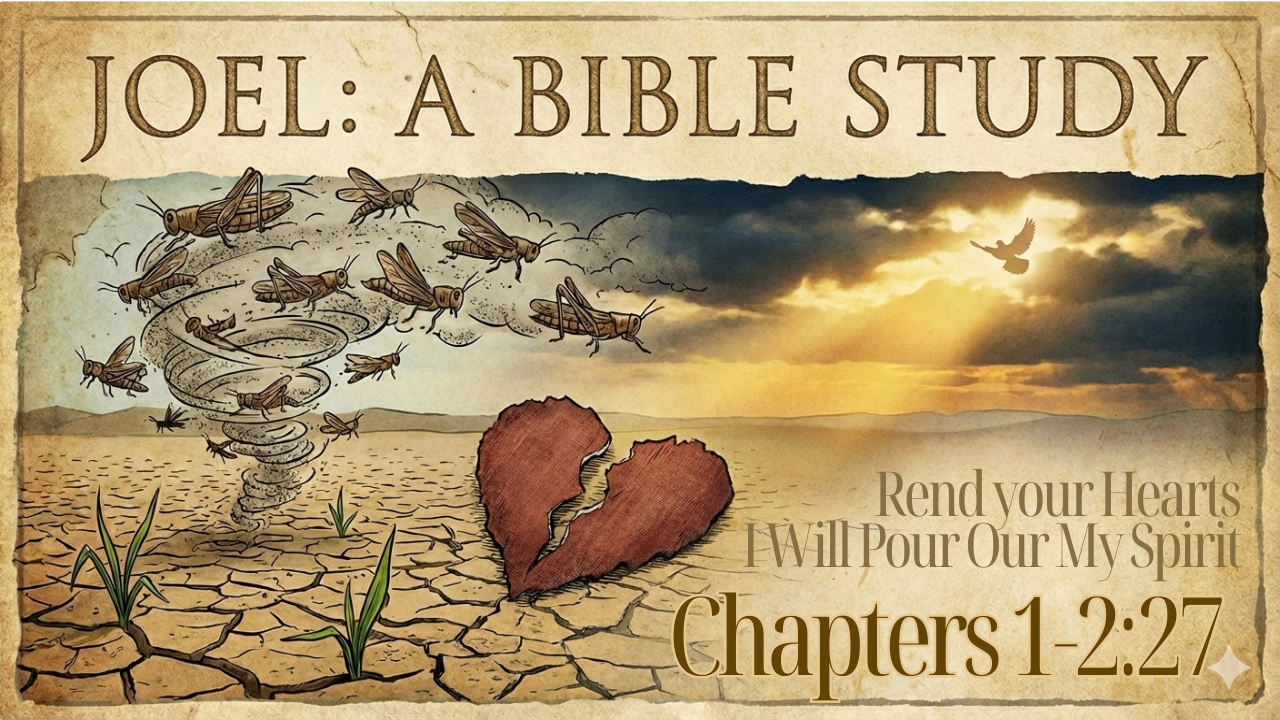
The Creed cuts through the noise of our own unworthiness to name us as 'good' creatures, loved by a God who honors our flesh and blood enough to redeem it, not just replace it.
The Creed cuts through the noise of our own unworthiness to name us as 'good' creatures, loved by a God who honors our flesh and blood enough to redeem it, not just replace it.
Sermon Video and Slides
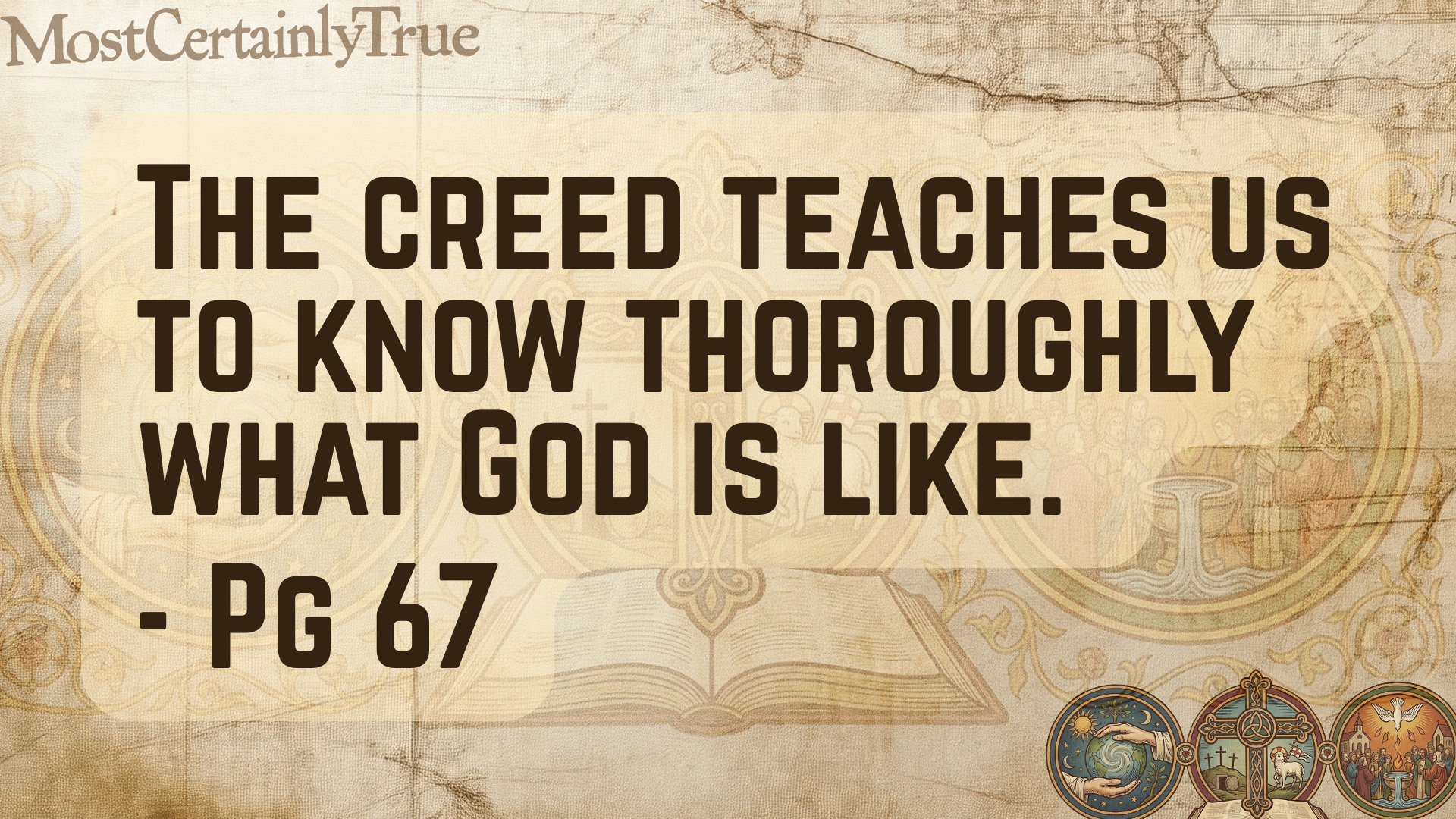
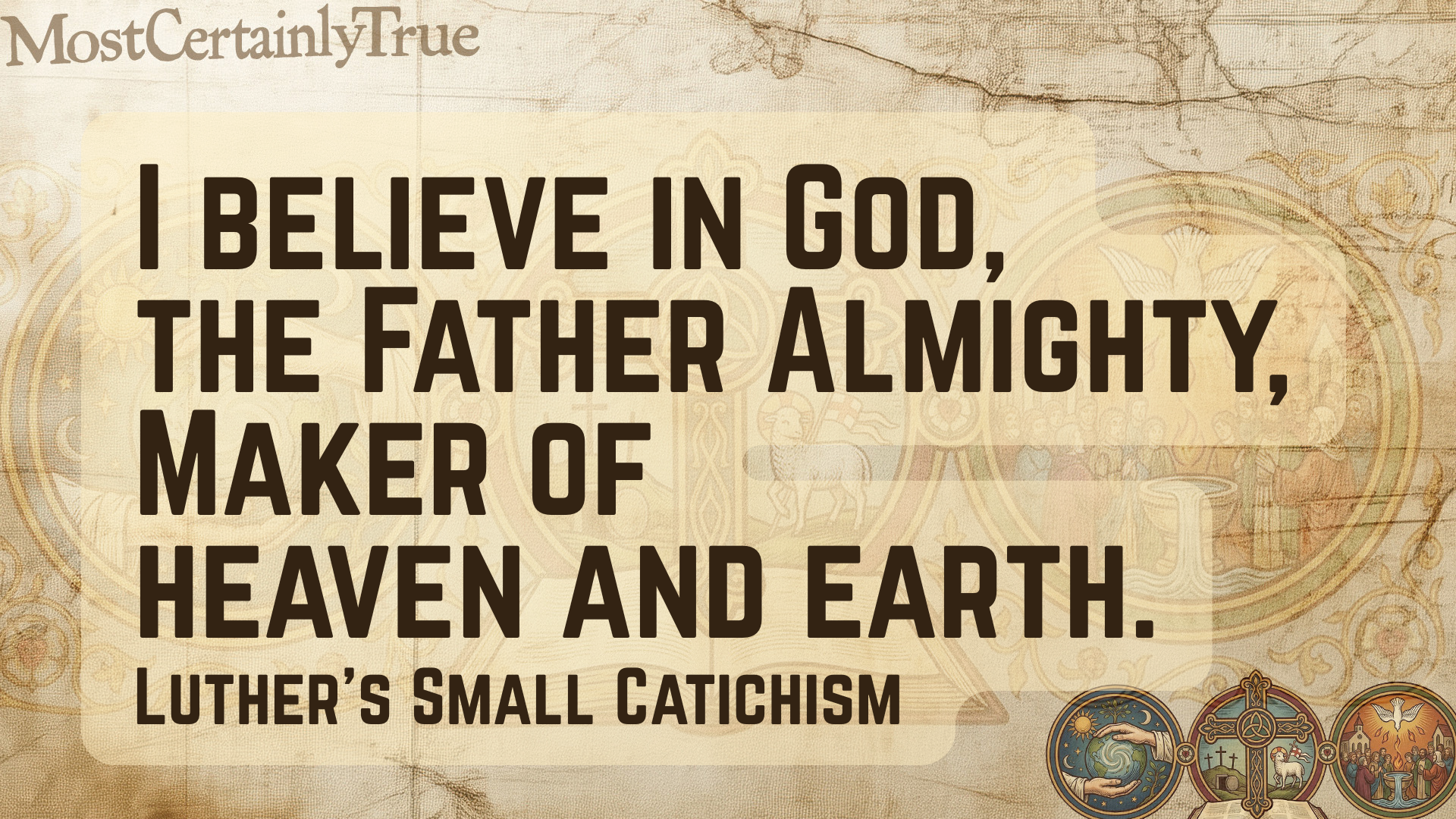
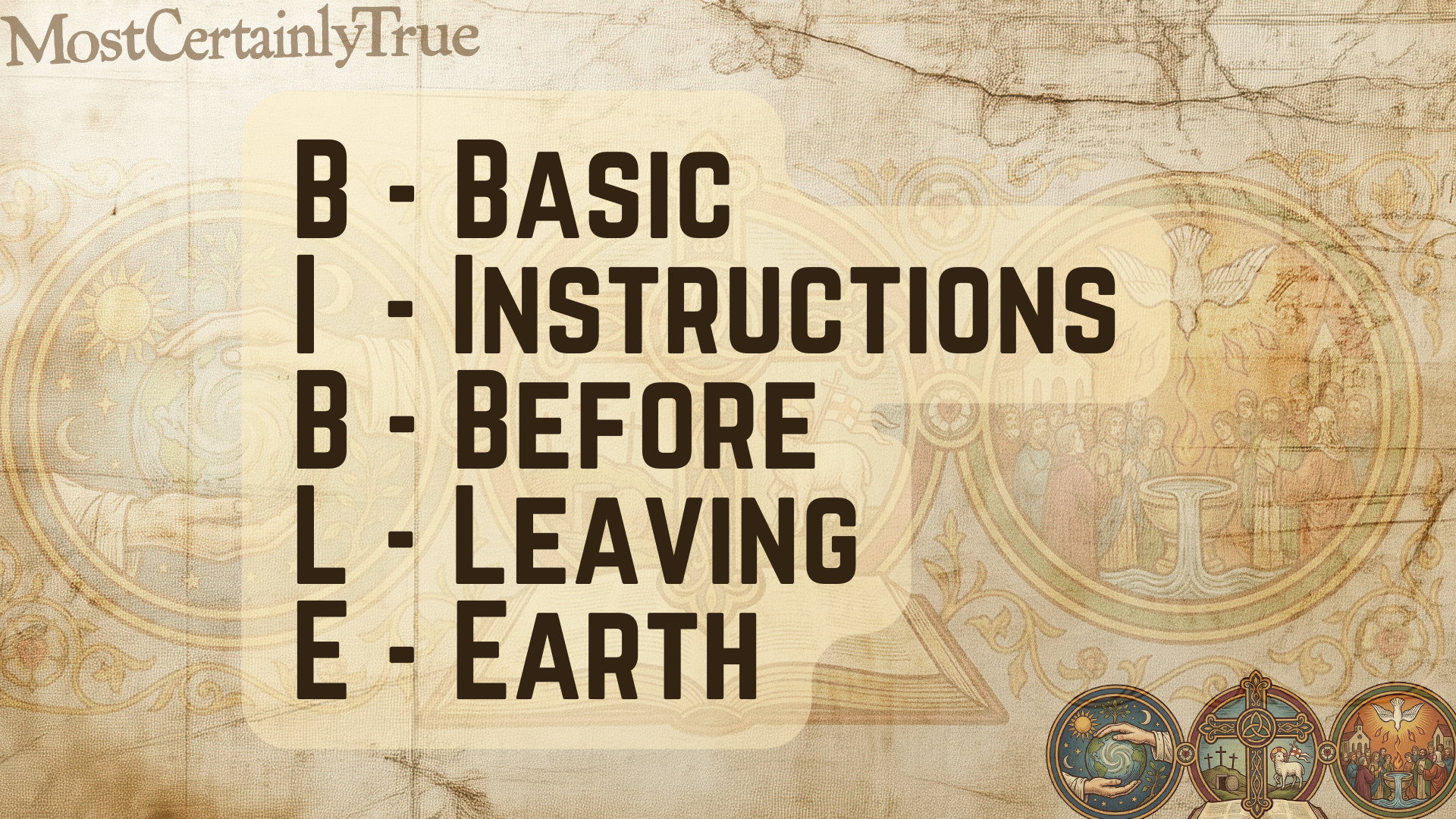

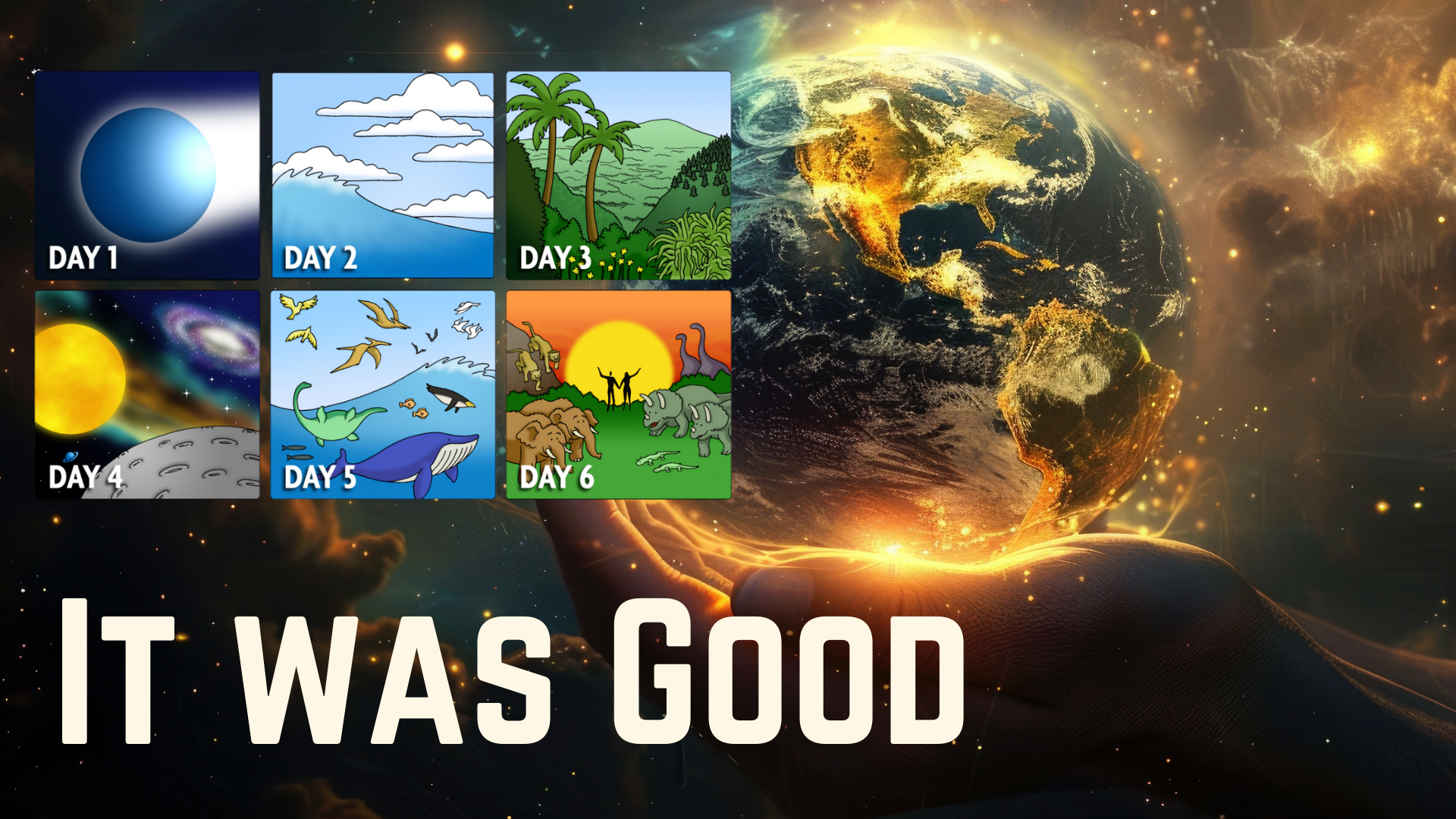
Questions for the Week: Apostles Creed: Good Creation
If anyone were to ask you to describe God, what might you answer to begin with?
Read Genesis 1. Do you naturally tend to see yourself as a "beloved creature" or a "broken sinner"? How does that shape your daily life?
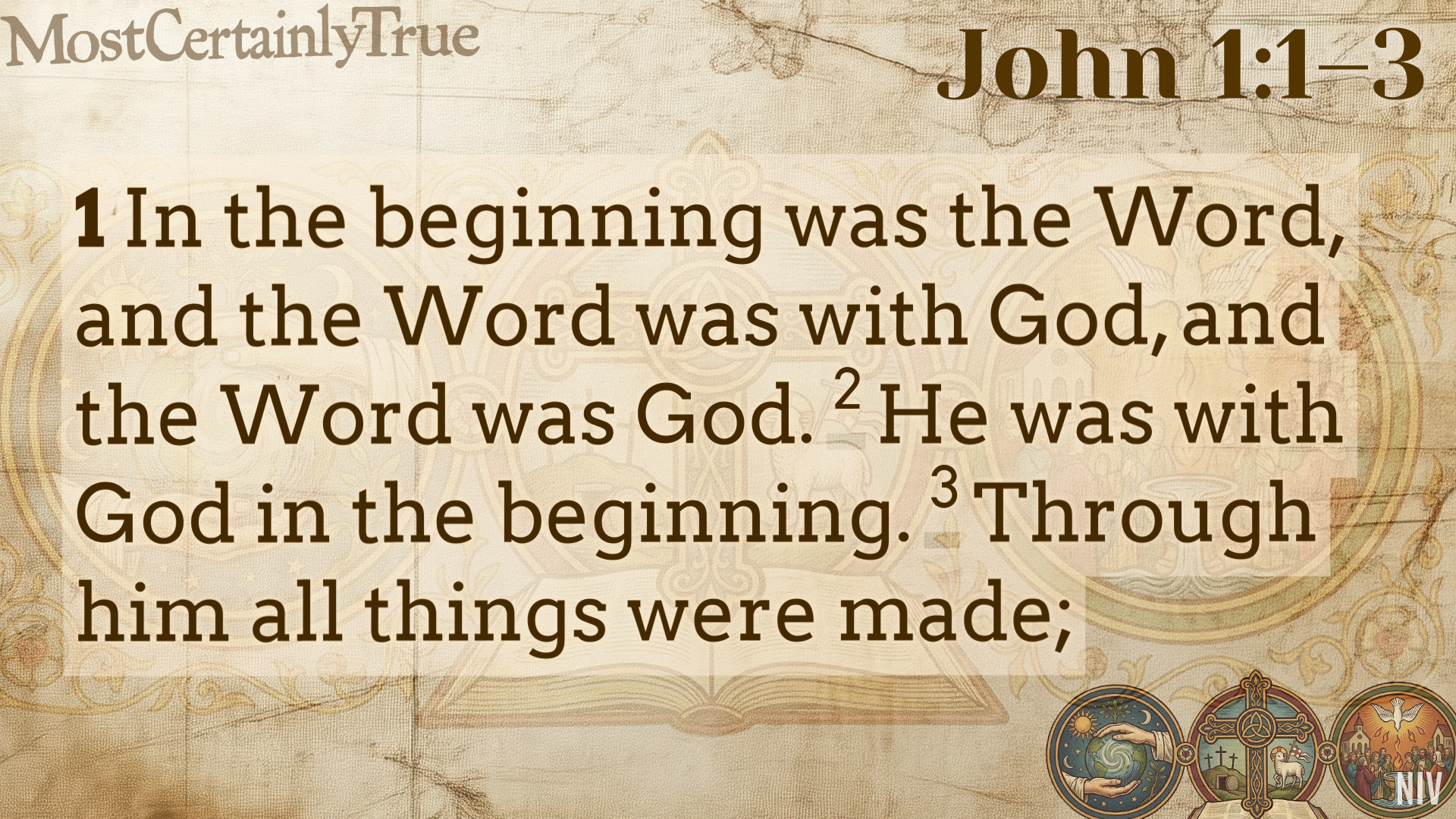
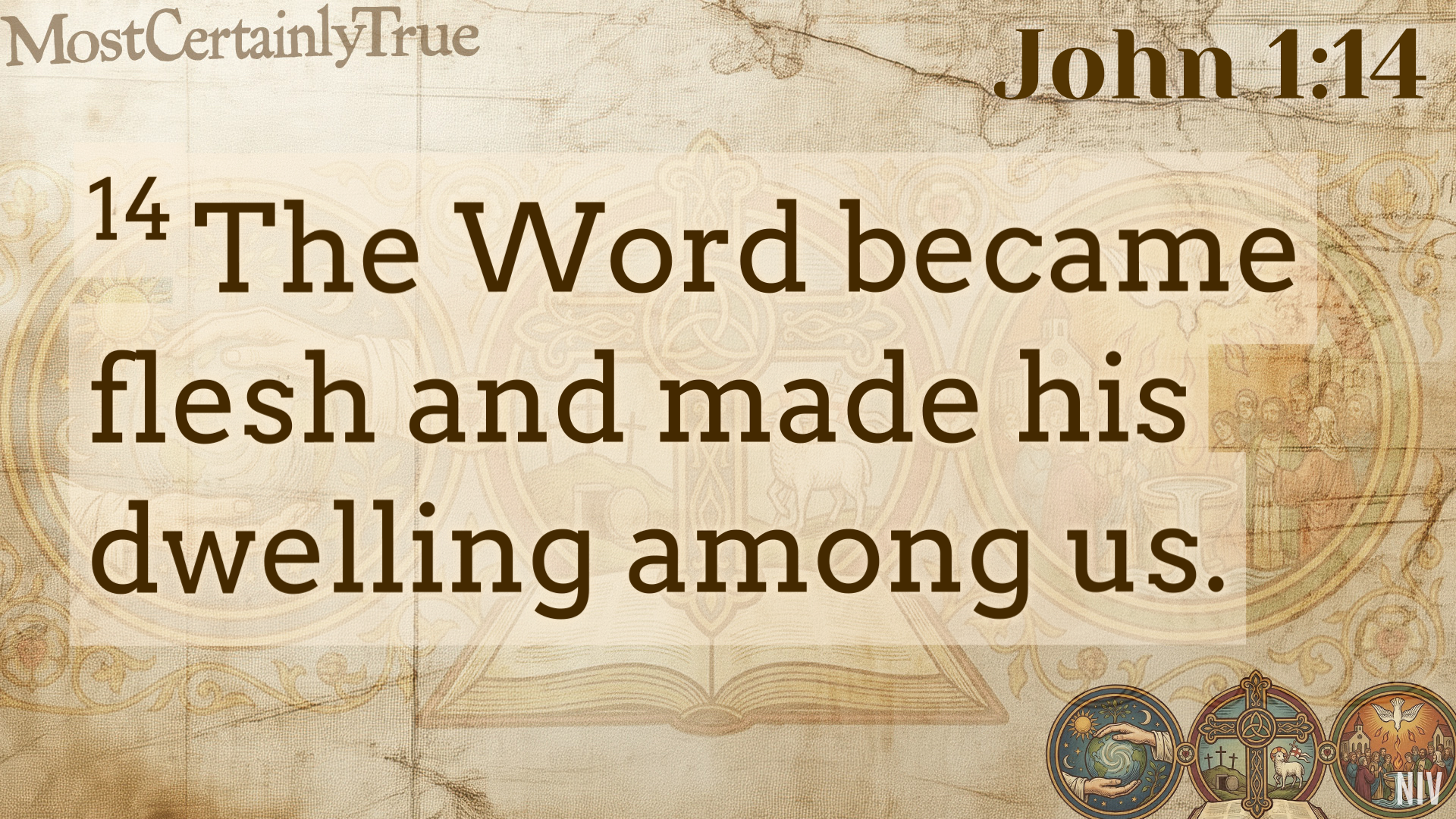
Read John 1:1-14. John 1 tells us that God did not escape creation but entered it in Jesus. Where have you seen God’s presence show up in ordinary, messy, or painful moments in your life or family?
Jesus rose from the dead still bearing His scars. What does it mean to you that God remembers our pain and wounds, and how might that help you show patience, grace, or care toward others this week?
What Had happened at Grace this week.
Most Certainly True - Apostles Creed | Teaching Series
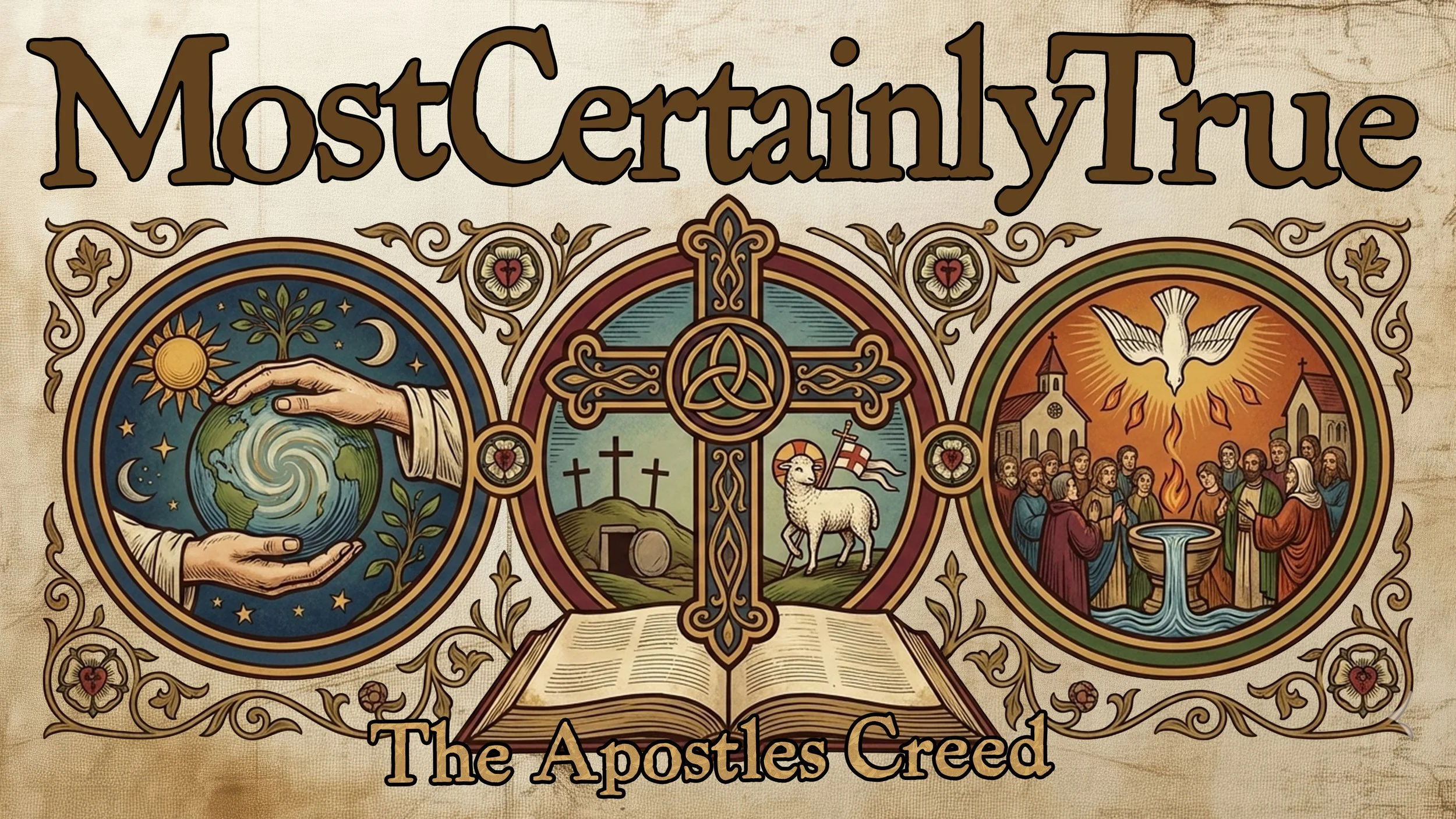
We are dusting off the Catechism to discover that the Creed is not just a list of principles to memorize, but a testimony of a God who created, redeemed, and sanctified you.
We are dusting off the Catechism to discover that the Creed is not just a list of principles to memorize, but a testimony of a God who created, redeemed, and sanctified you.
Read with the Sermon Series
The Large Catechism and the Small
I recommend the Pink Large Catechism.
This one is more enjoyable to read.

The Small Catechism
The Classic

Reading Plan
Read around the readings for Sunday
1/11/26- Creator
Genesis 1:1-2:4
John 1:1-5
1/18/26 - Sustainer
Exodus 16:2-8
2 Cor 9:6-15
John 6:35-40
1/25/26 - Jesus Life
Isaiah 53:1-12
Philippians 2:5-11
Mark 1:1, 9-15
2/1/26 - Jesus Redemption and Resurrection
Psalm 16:5-11
Romans 4:16-25
Mark 16:1-8
2/8/26 - calls, gathers, enlightens sanctifies
Joel 2:28-32
Ephesians 4:11-16
John 3:1-17
2/15/26 - Forgiveness of sins and everlasting life
Isaiah 25:6-91
John 1:5-10
Matthew 18:21-35
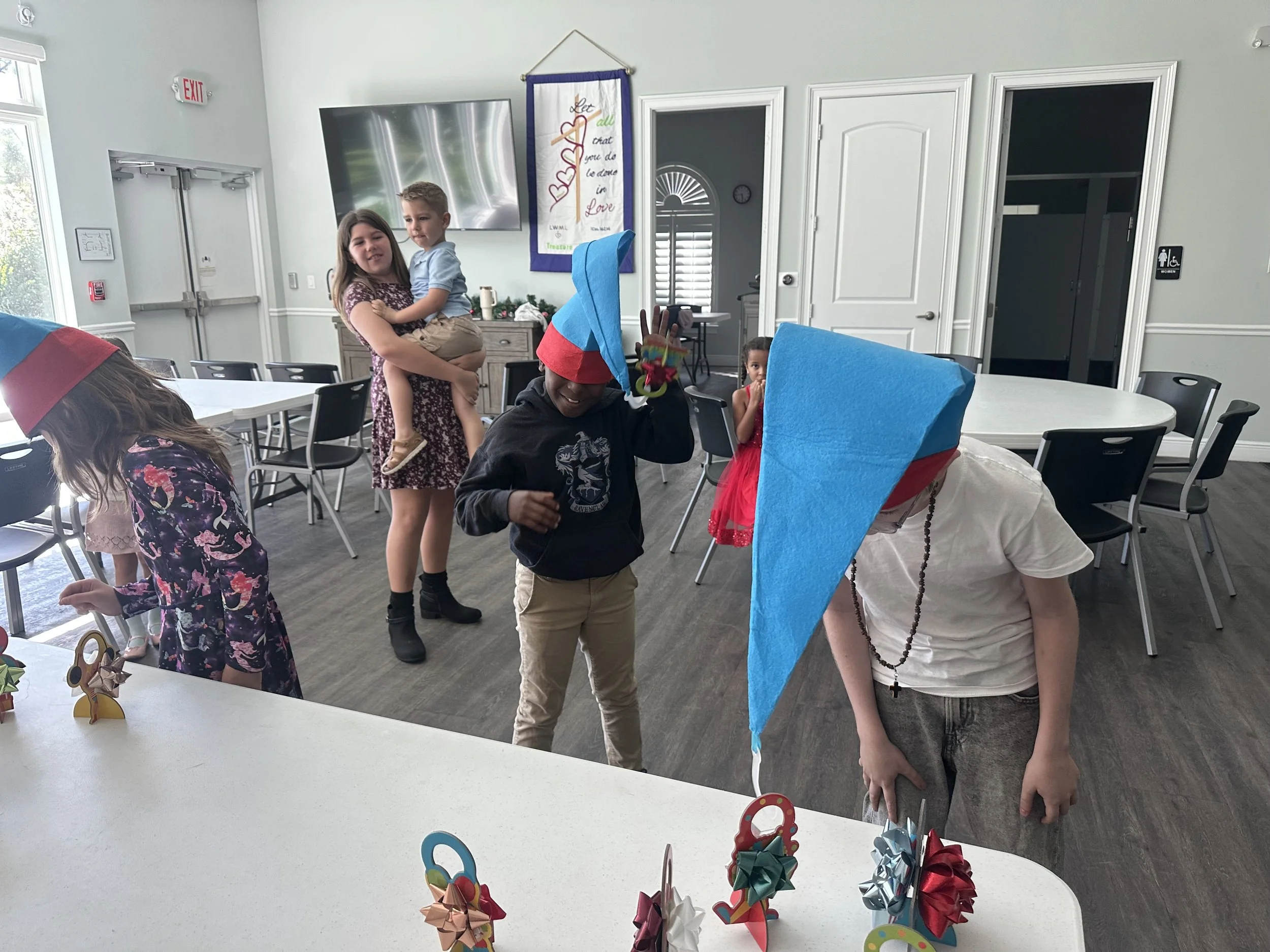
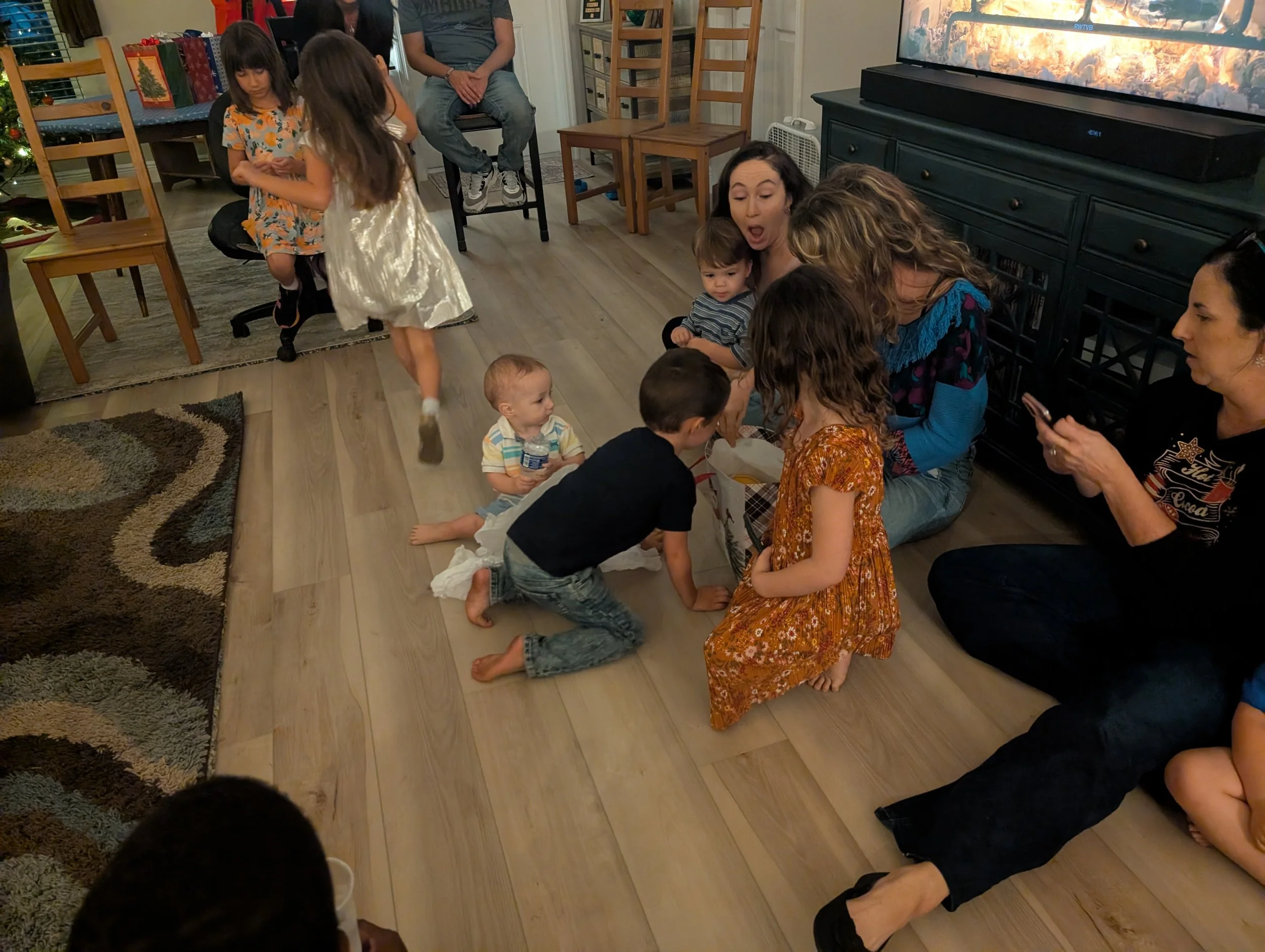
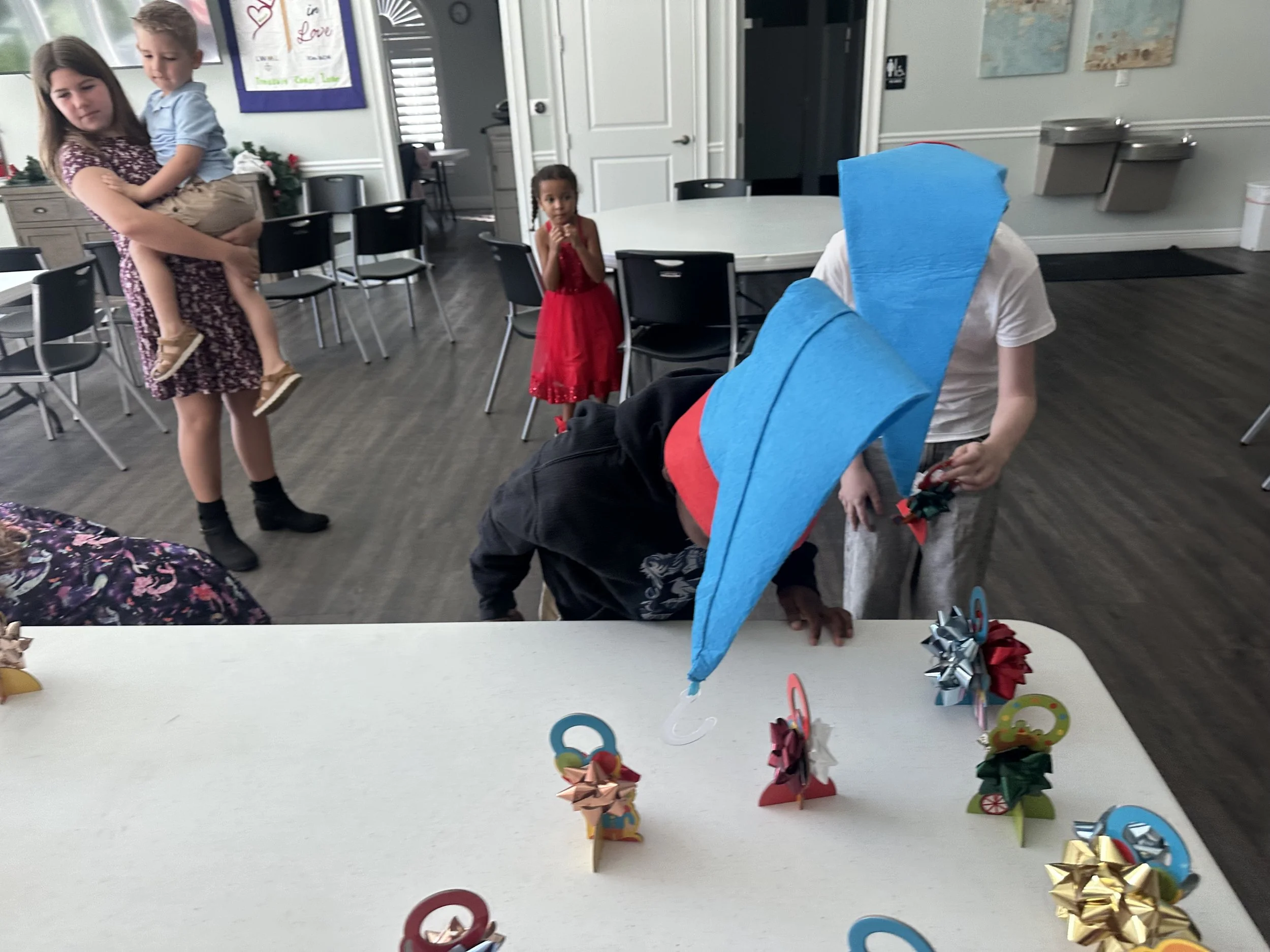
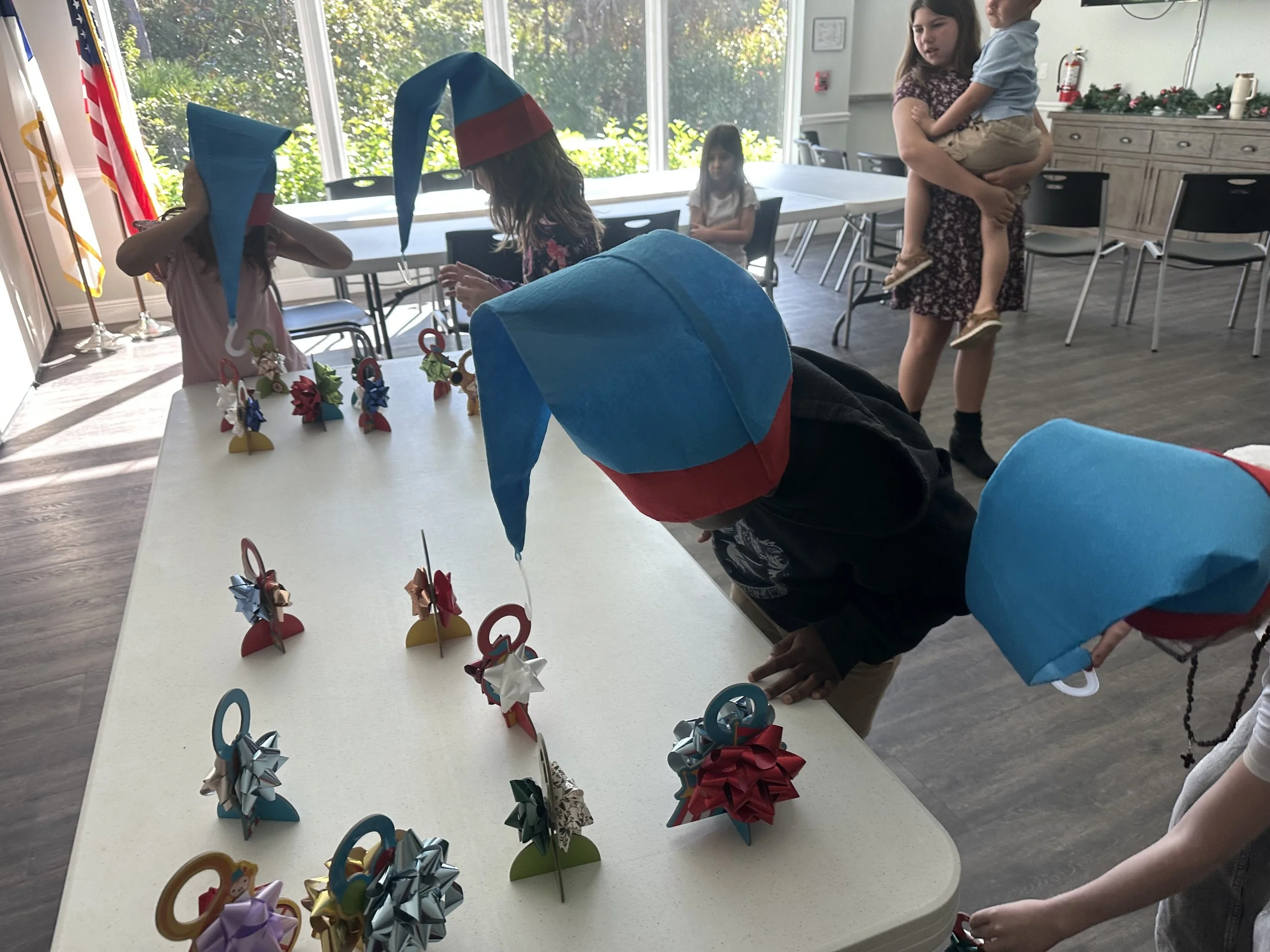
Children’s Ministry in the New Year [Photos]
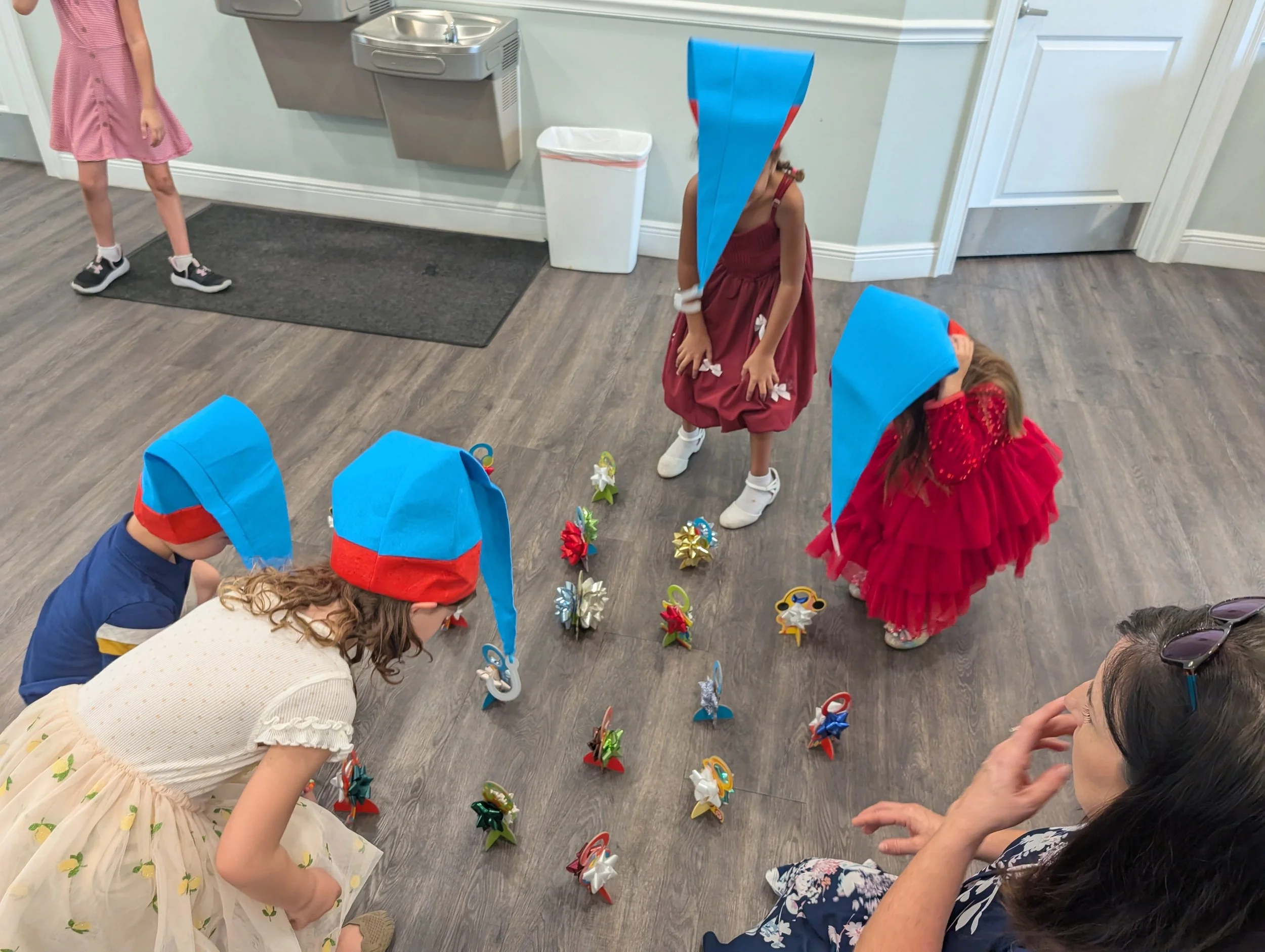
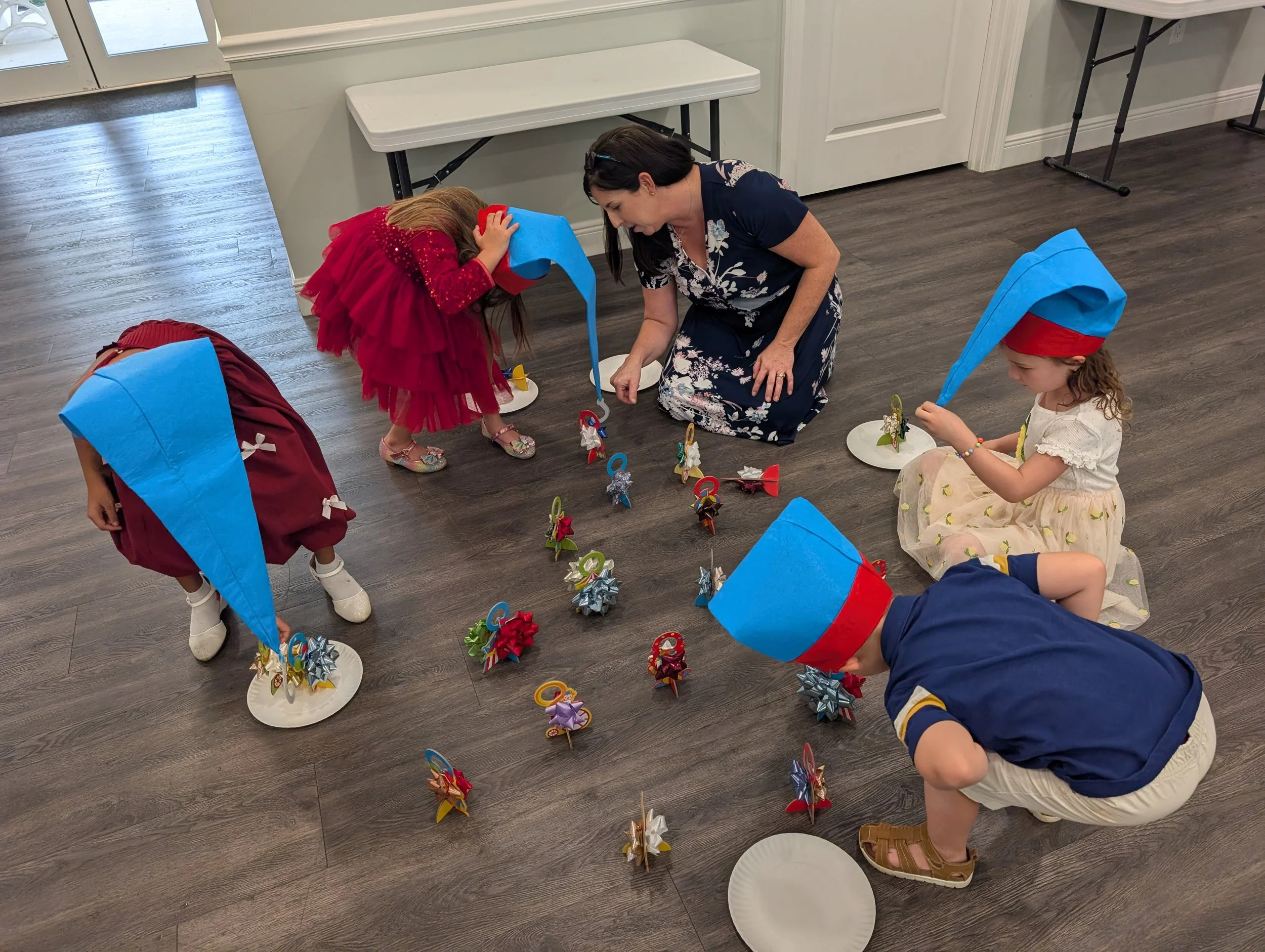
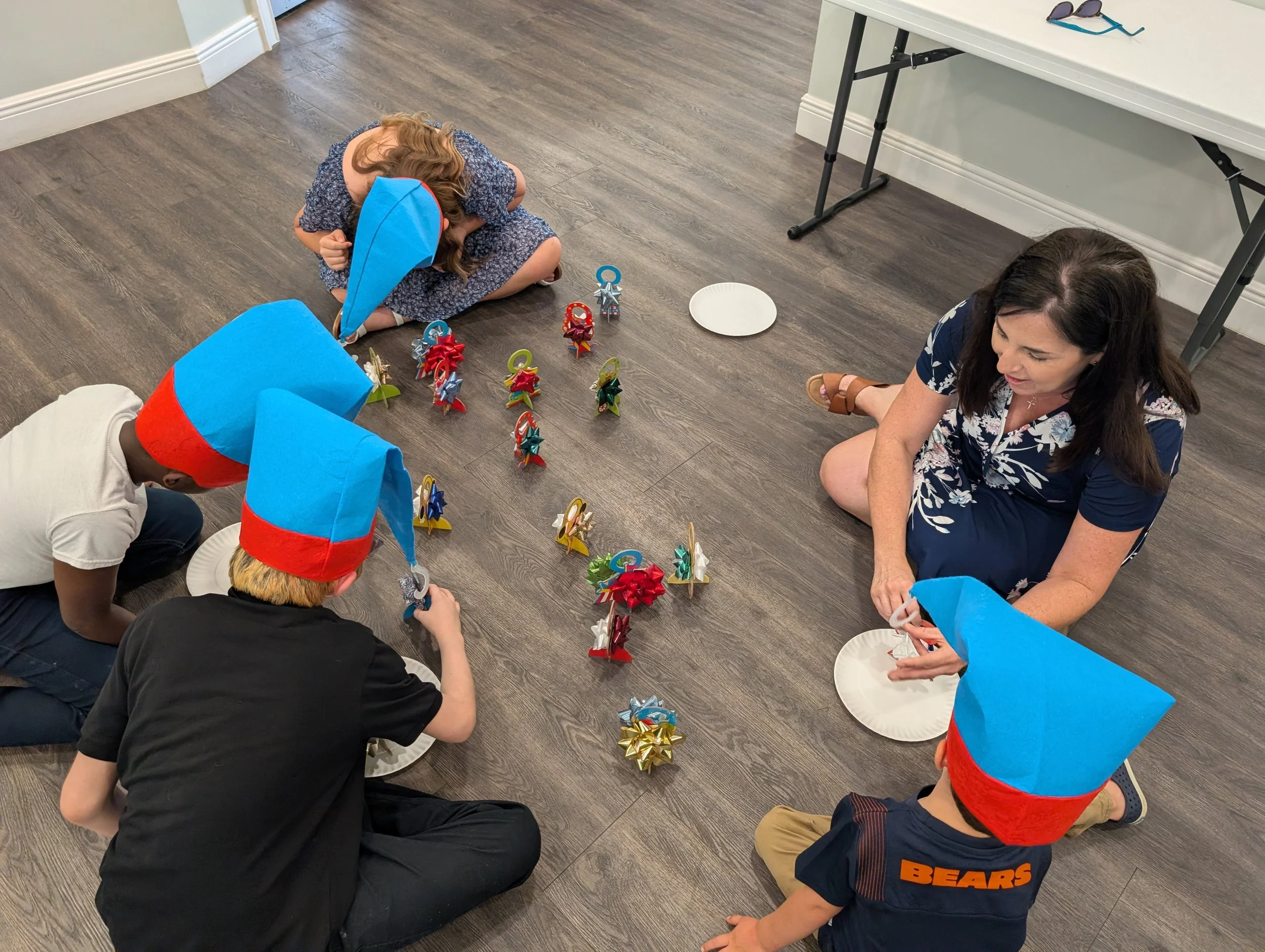
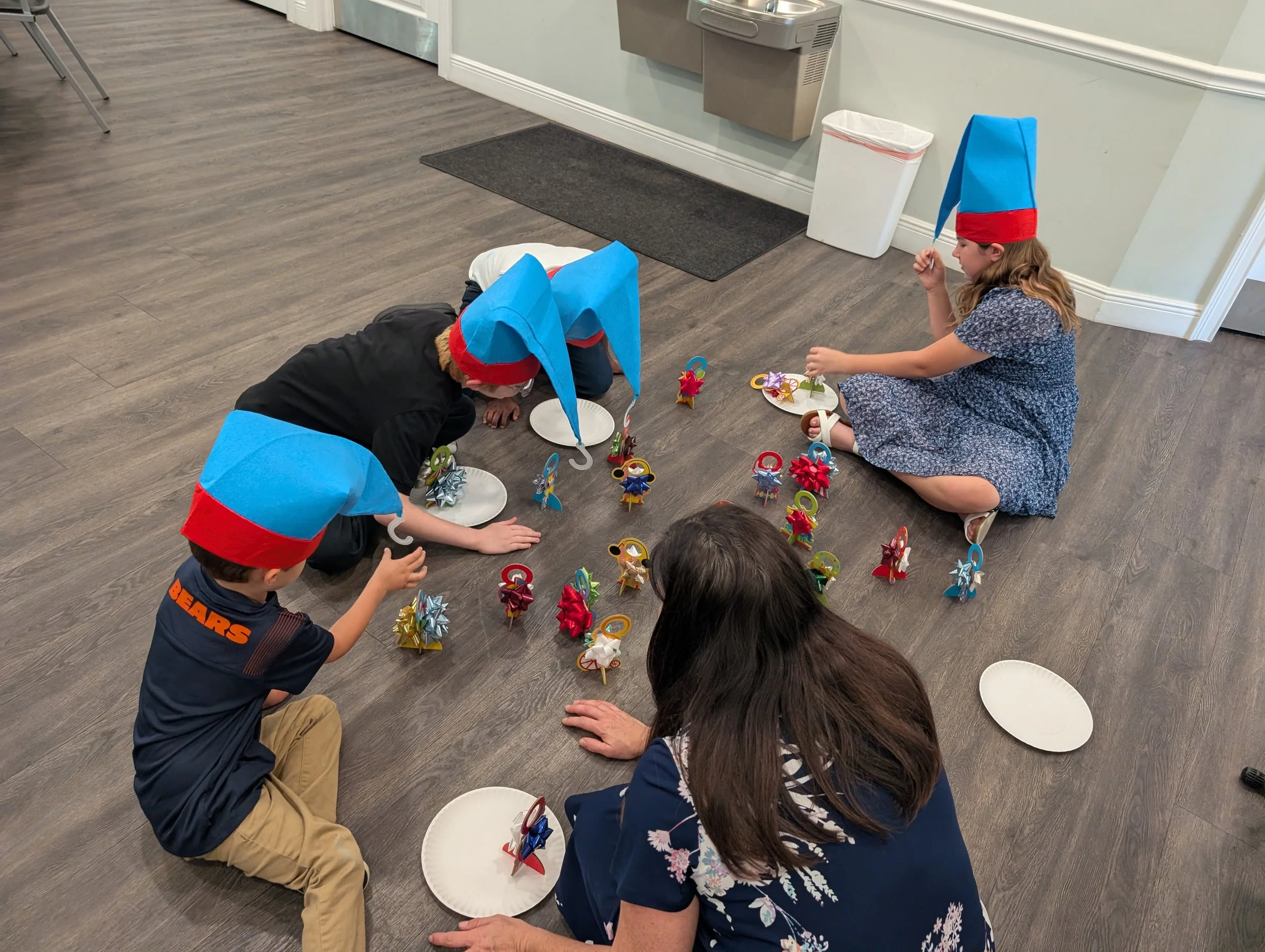
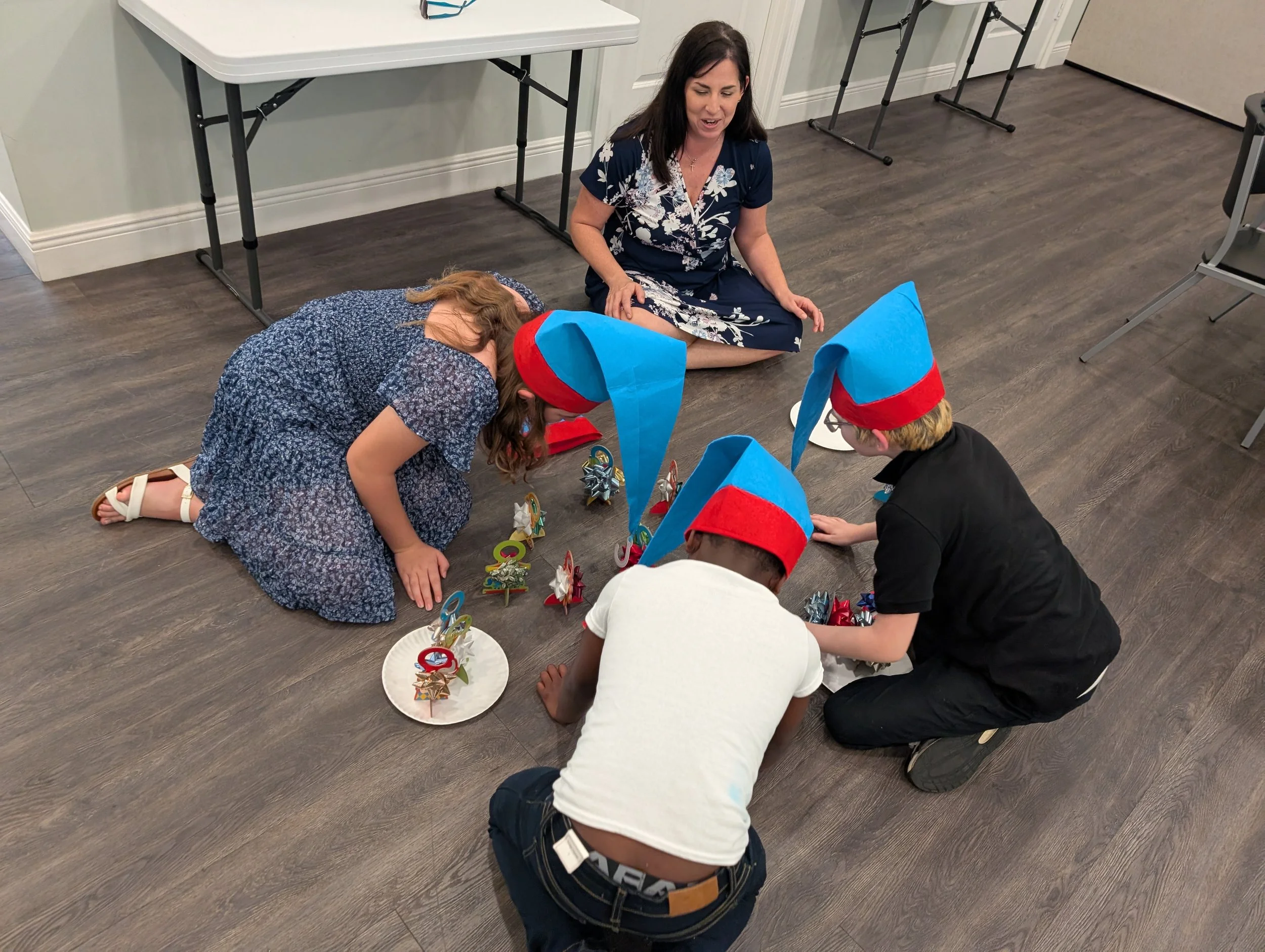
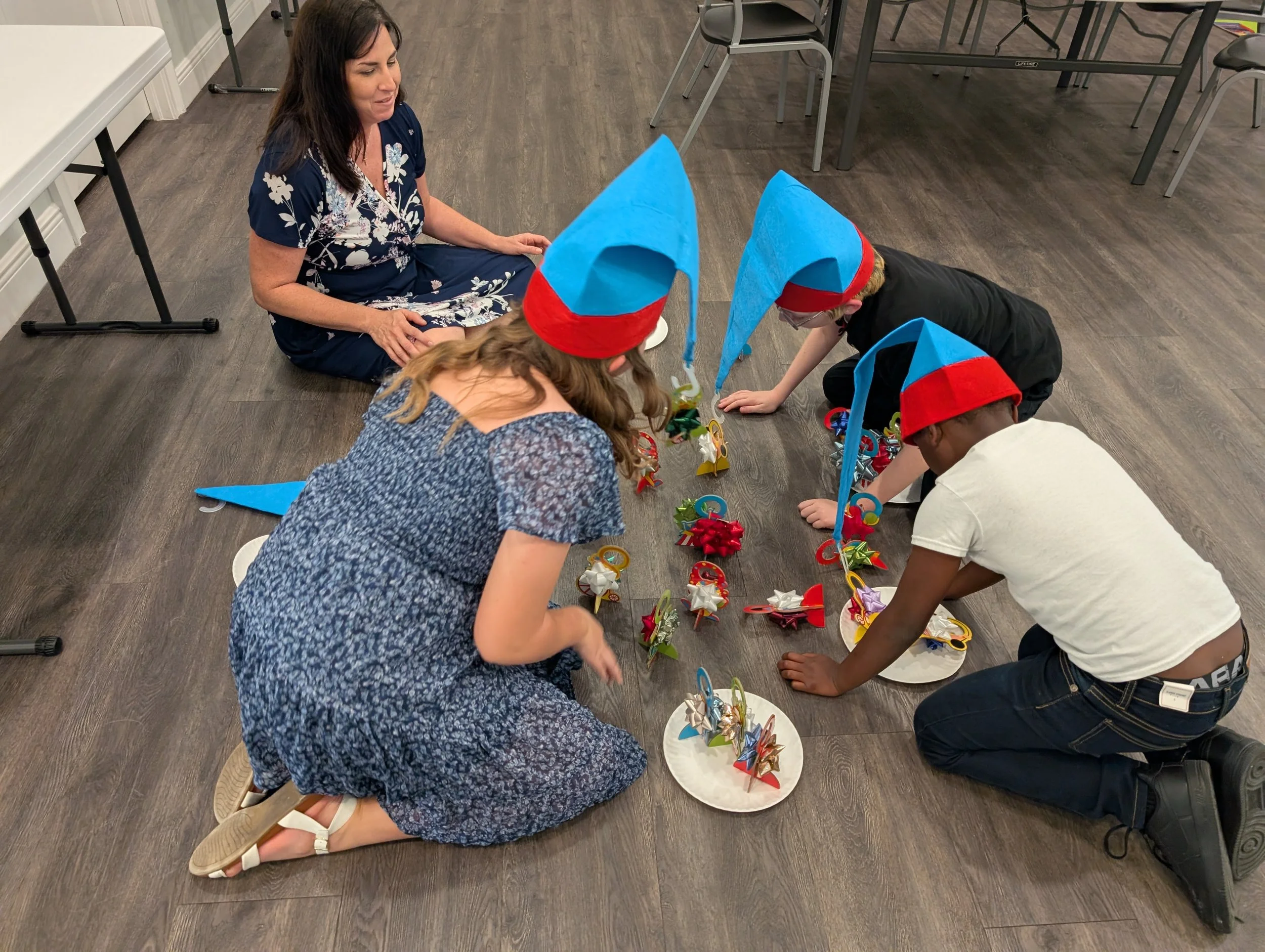
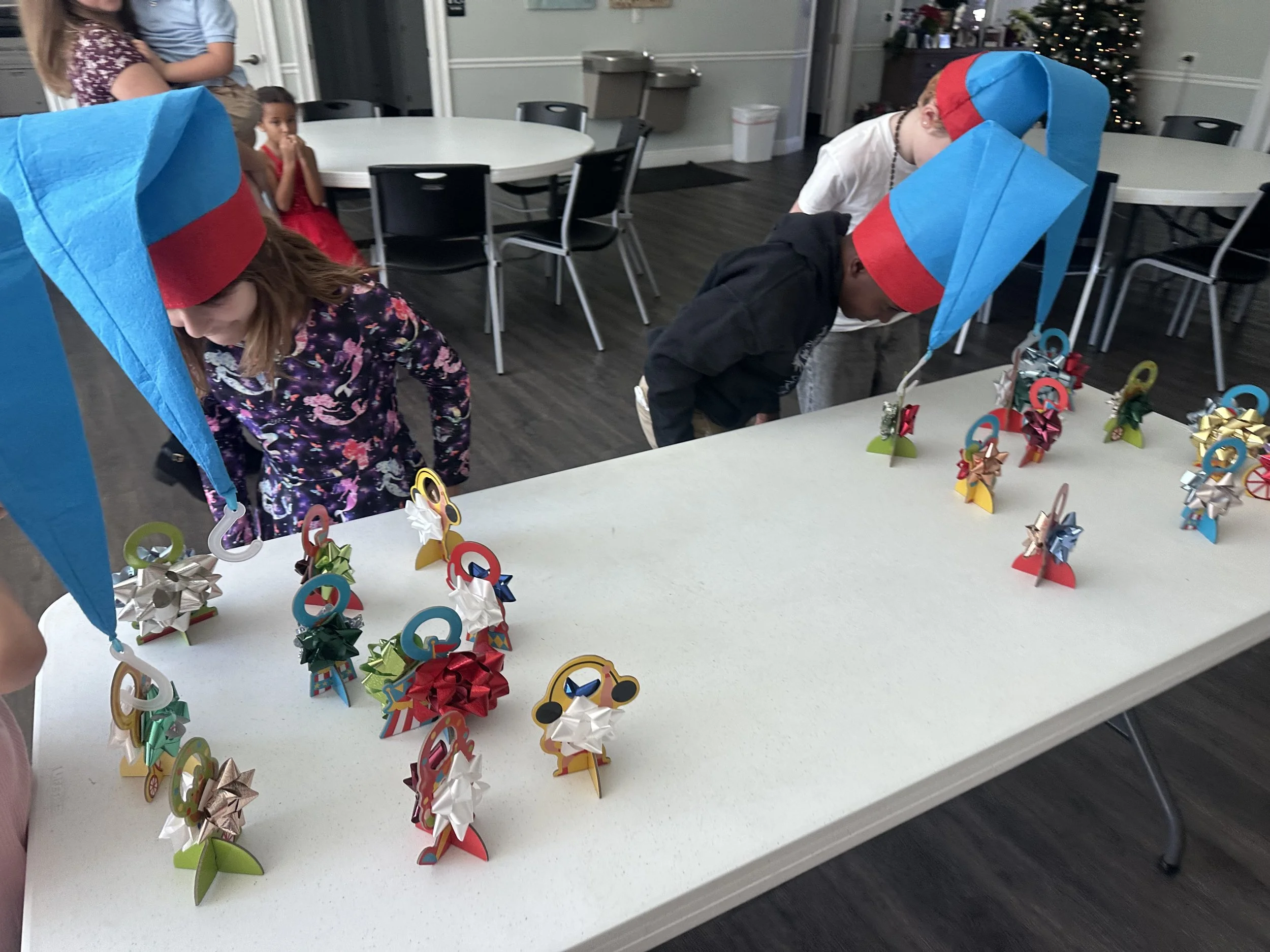
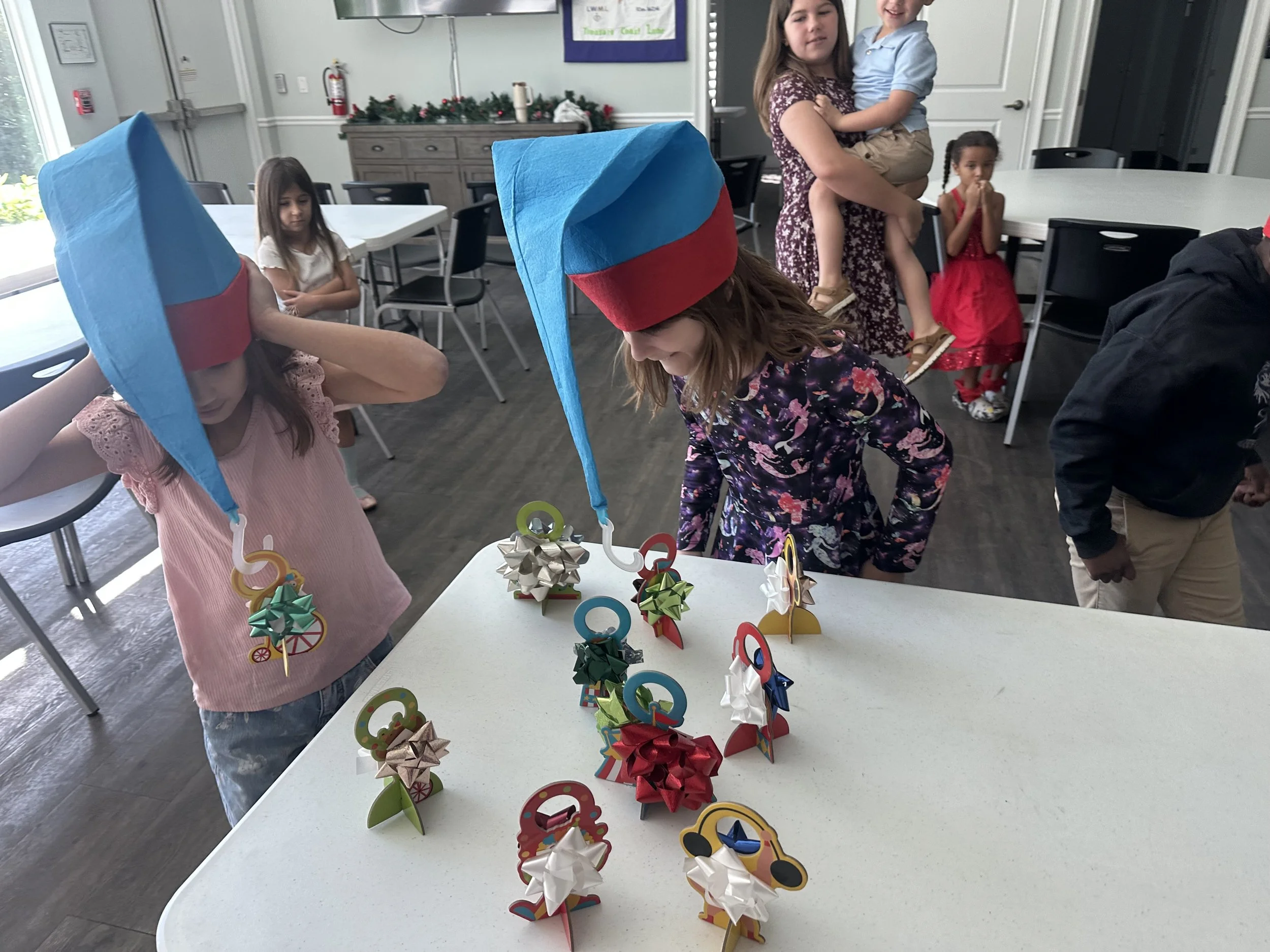
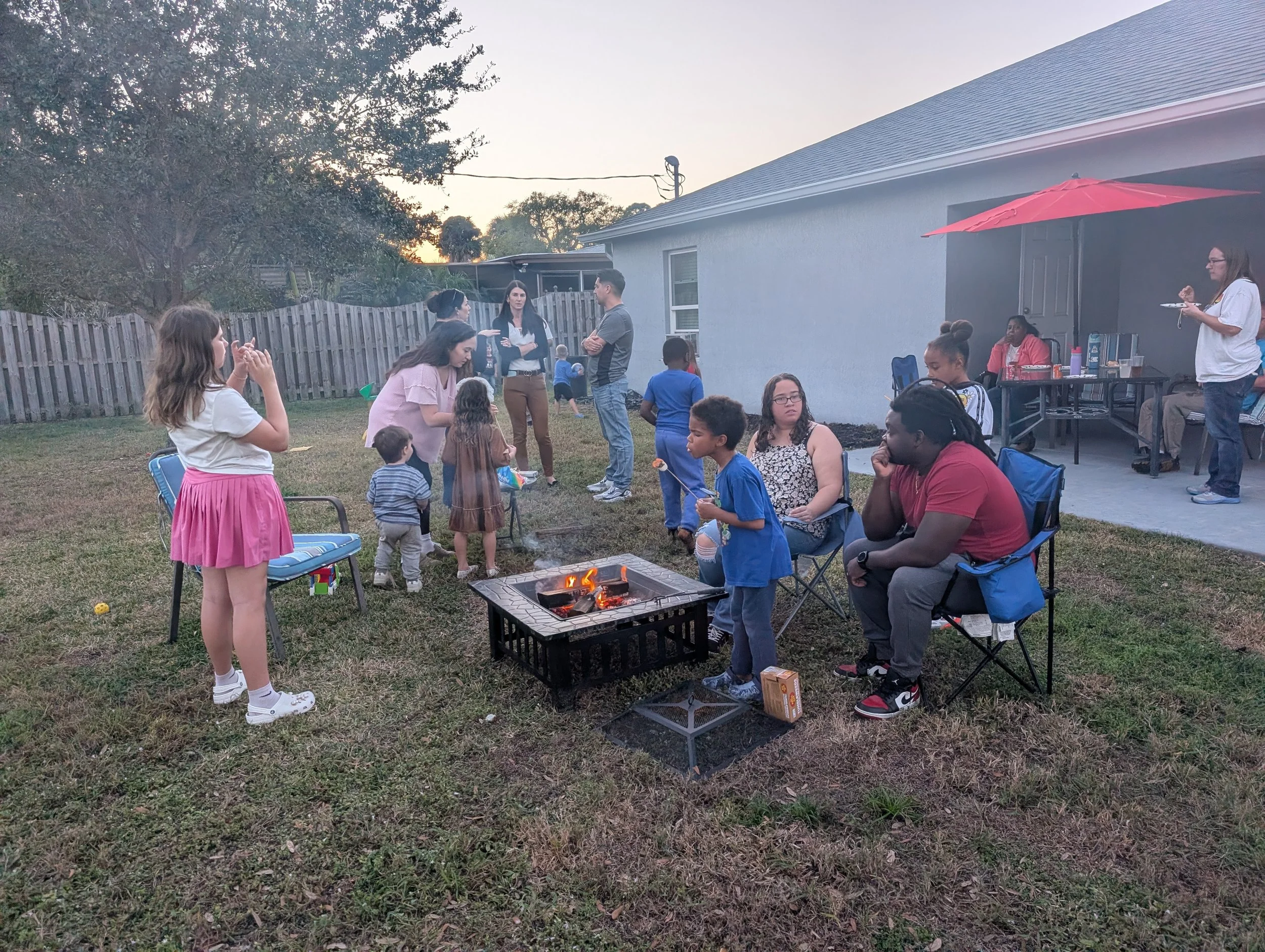
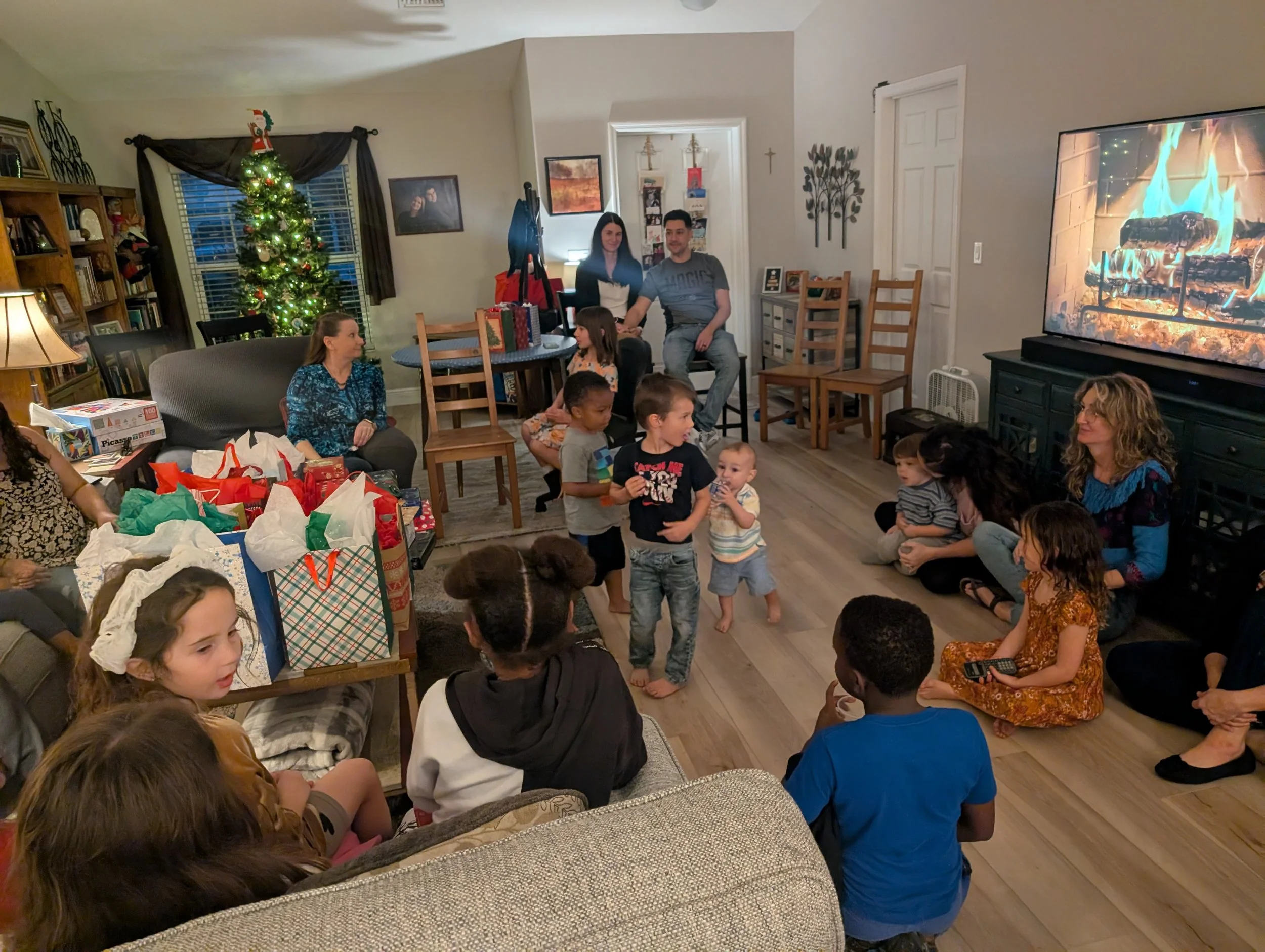
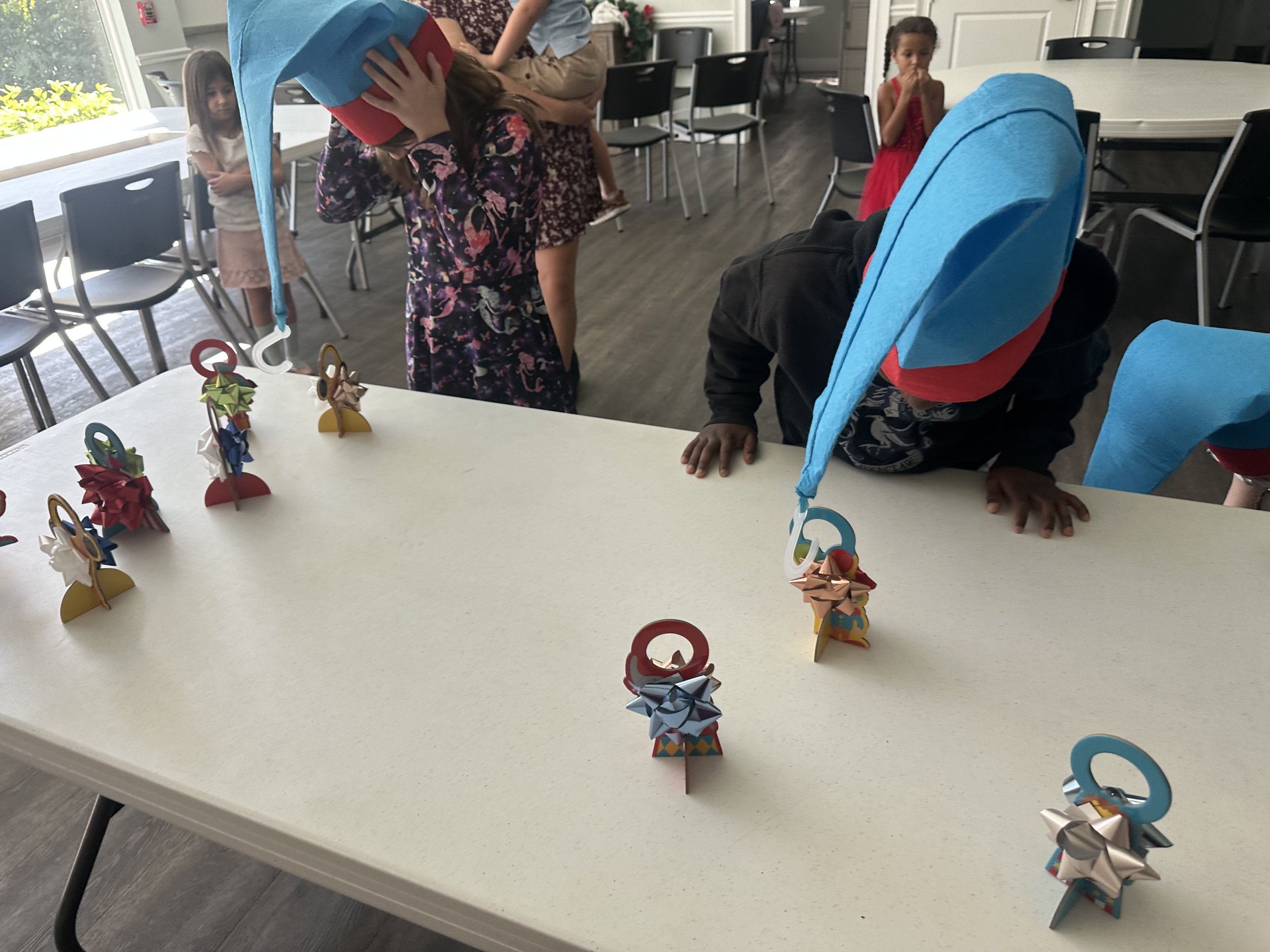
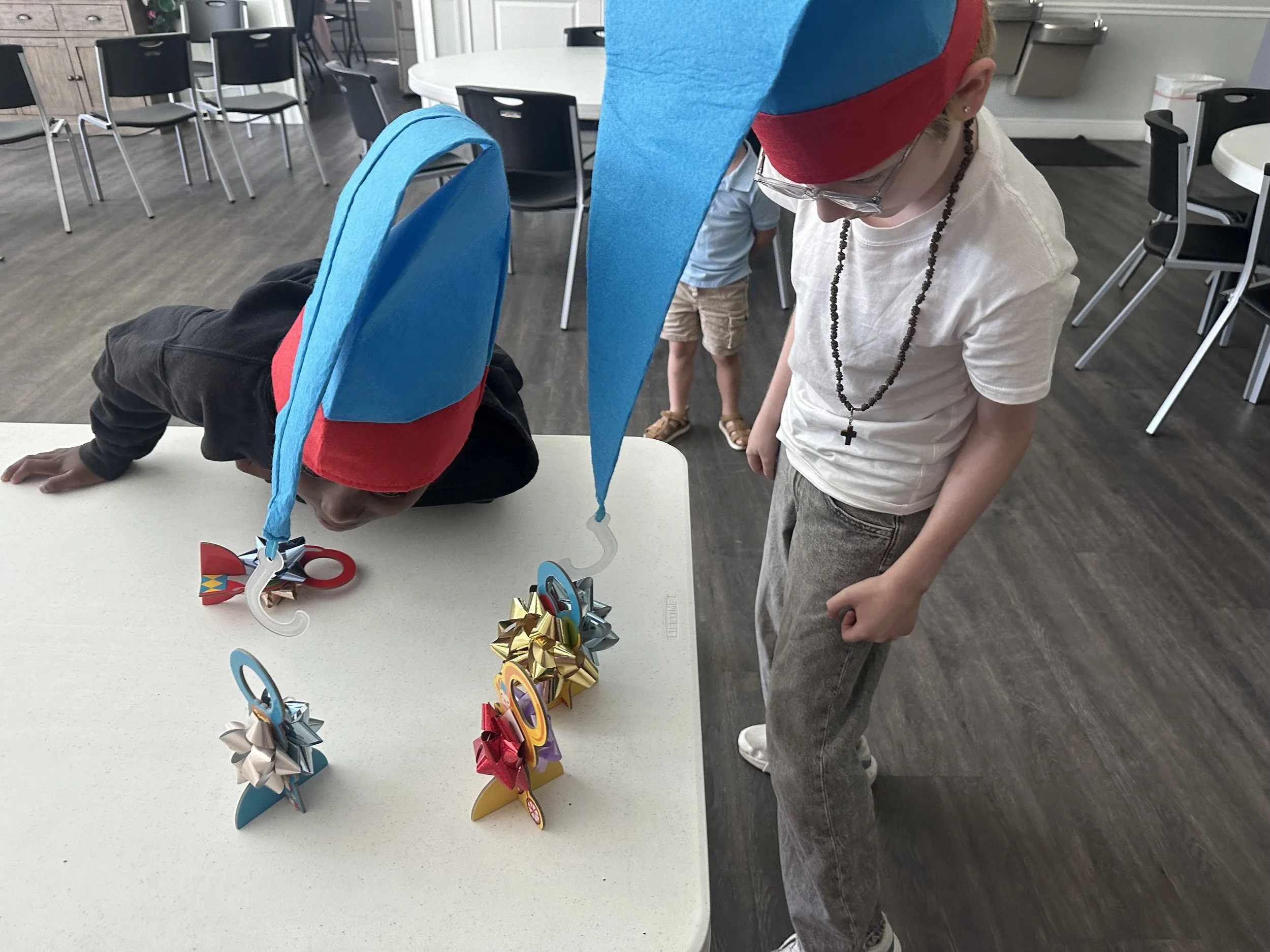
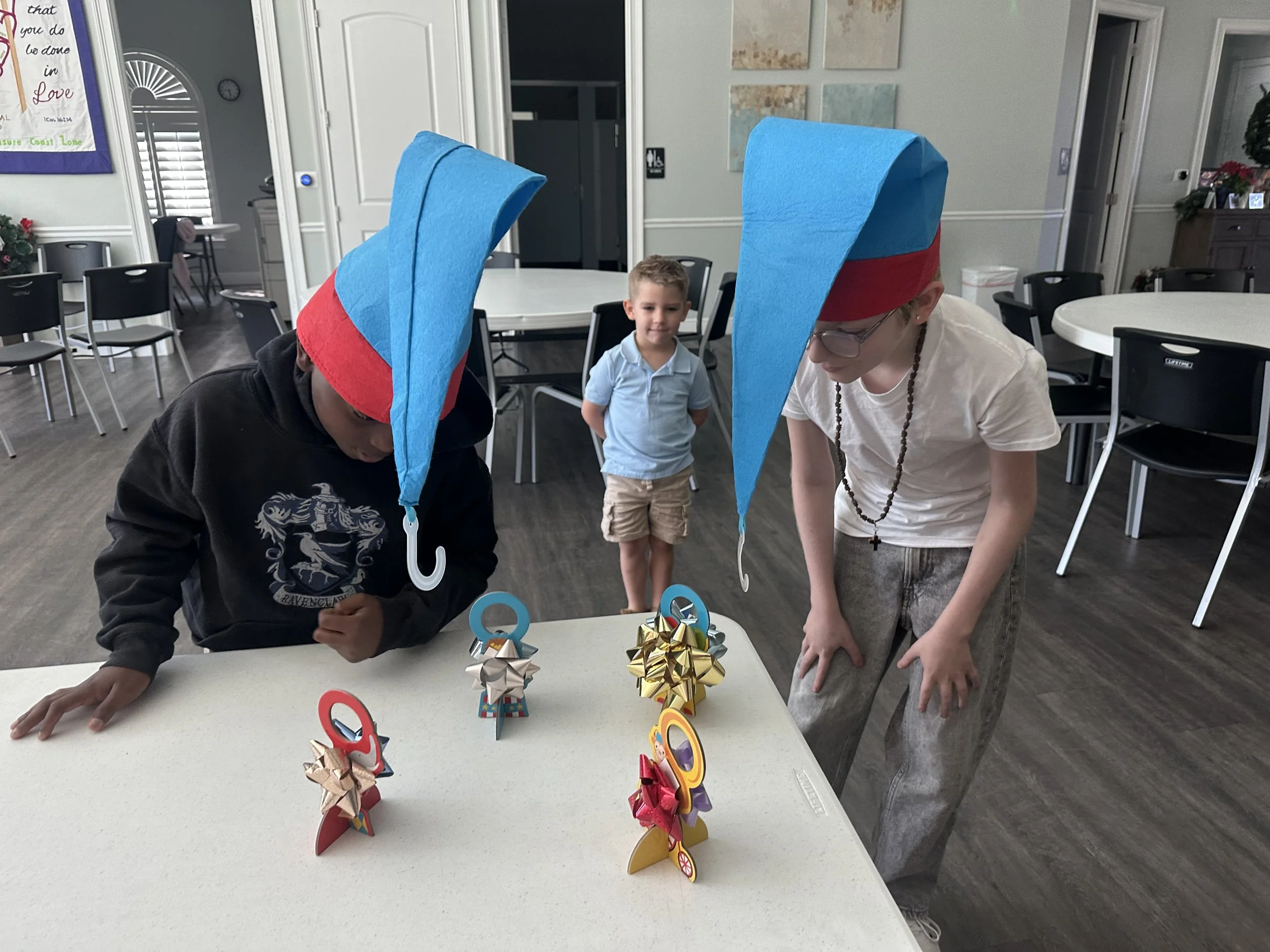
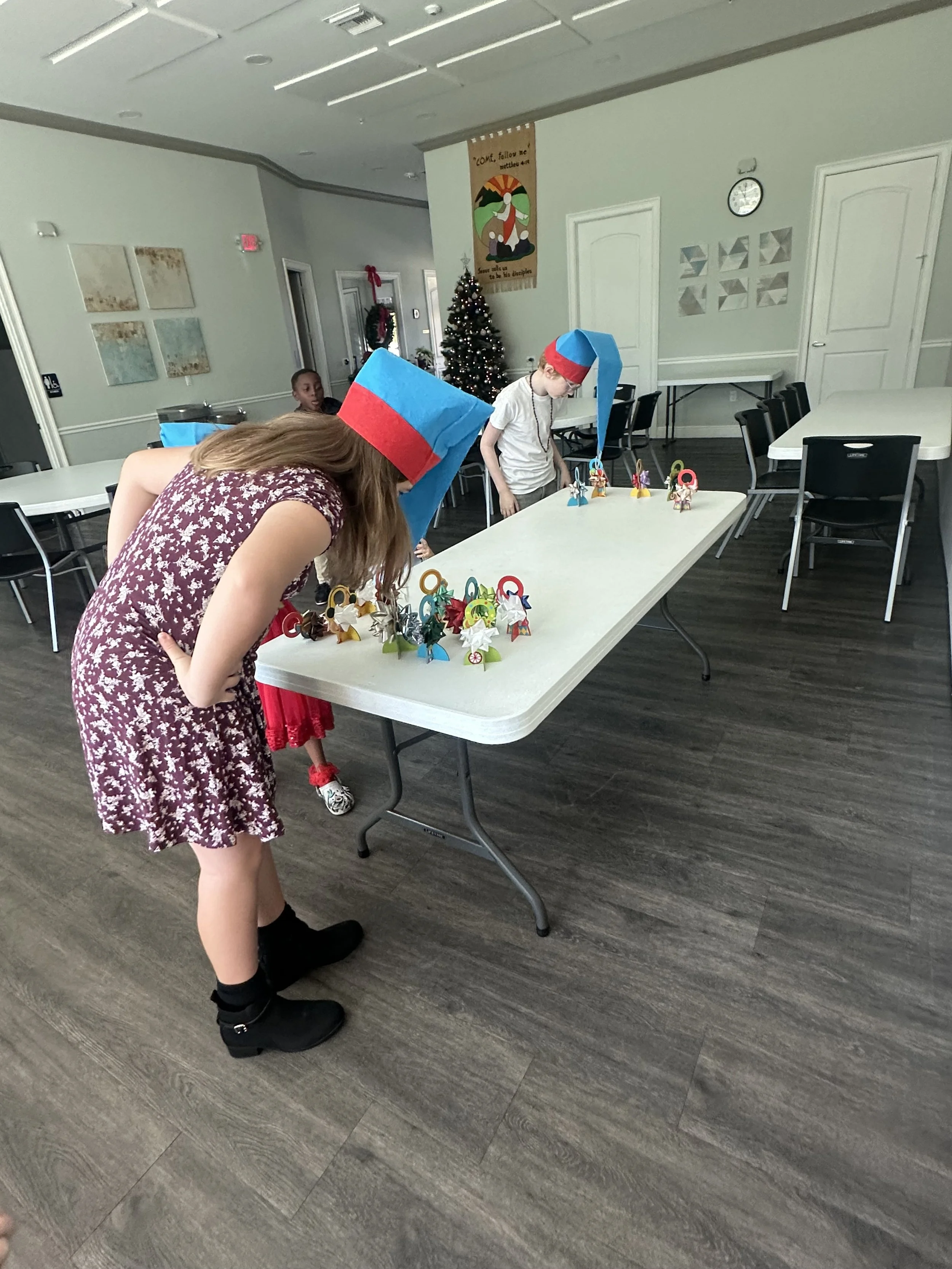
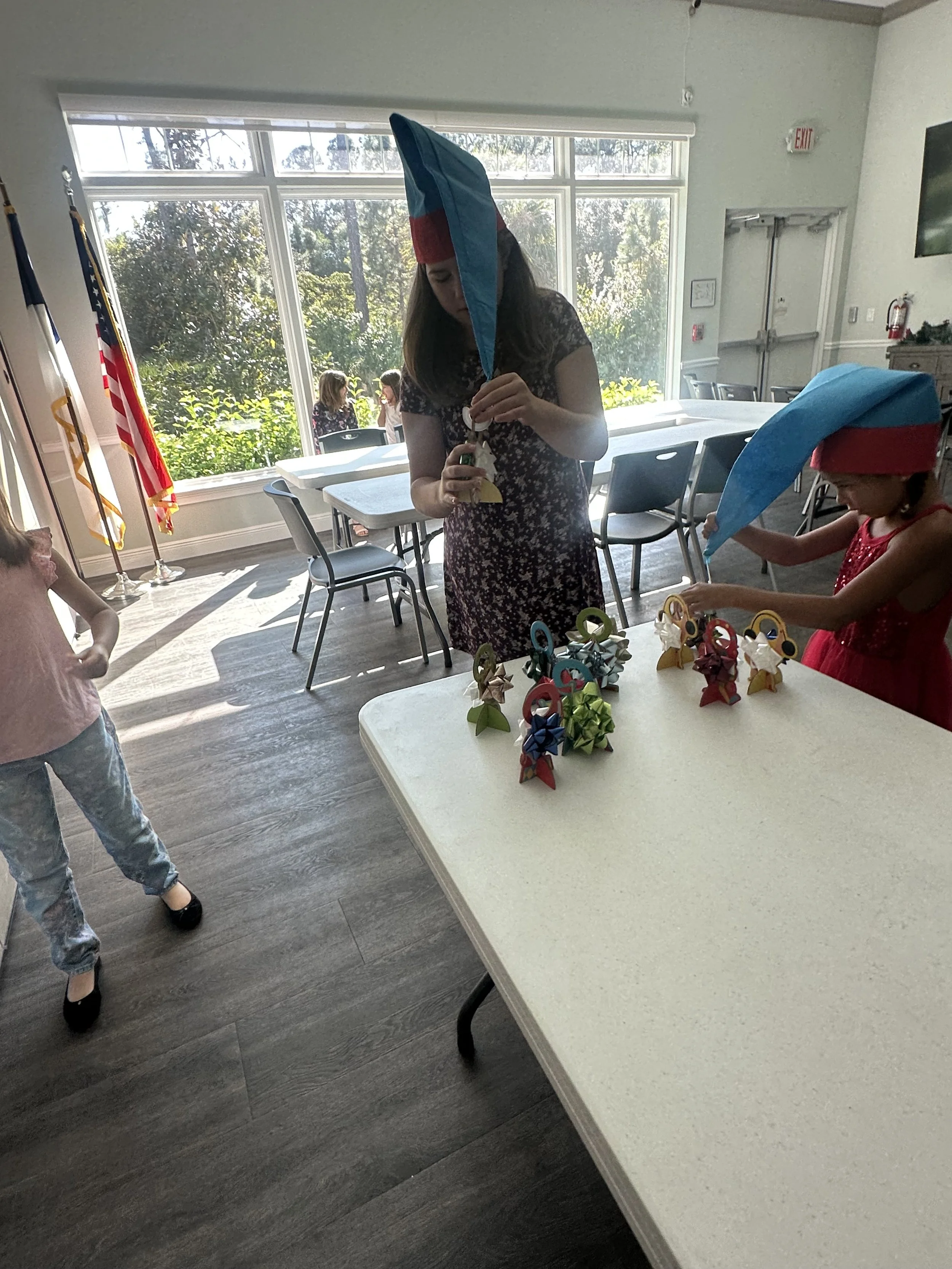
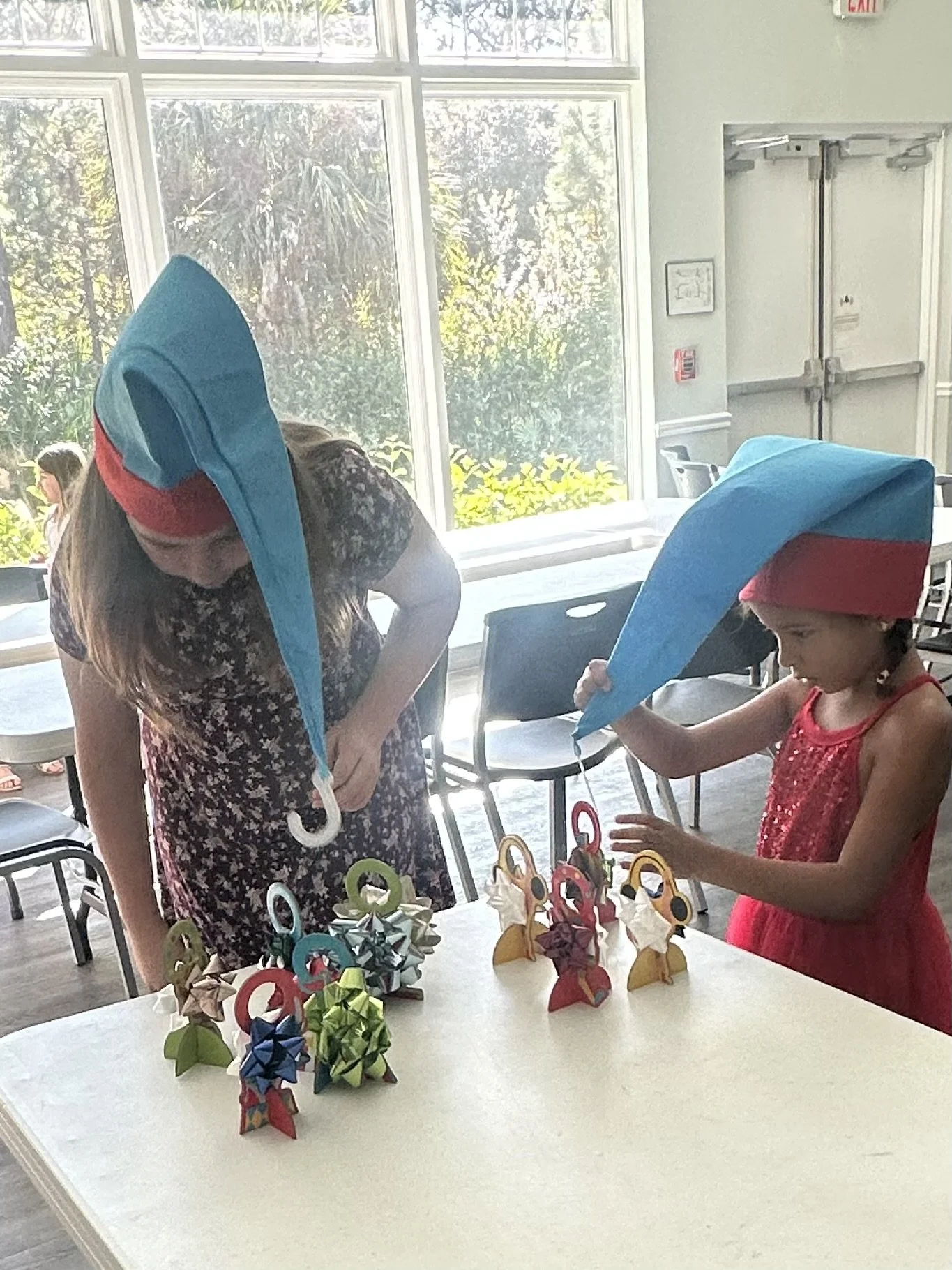
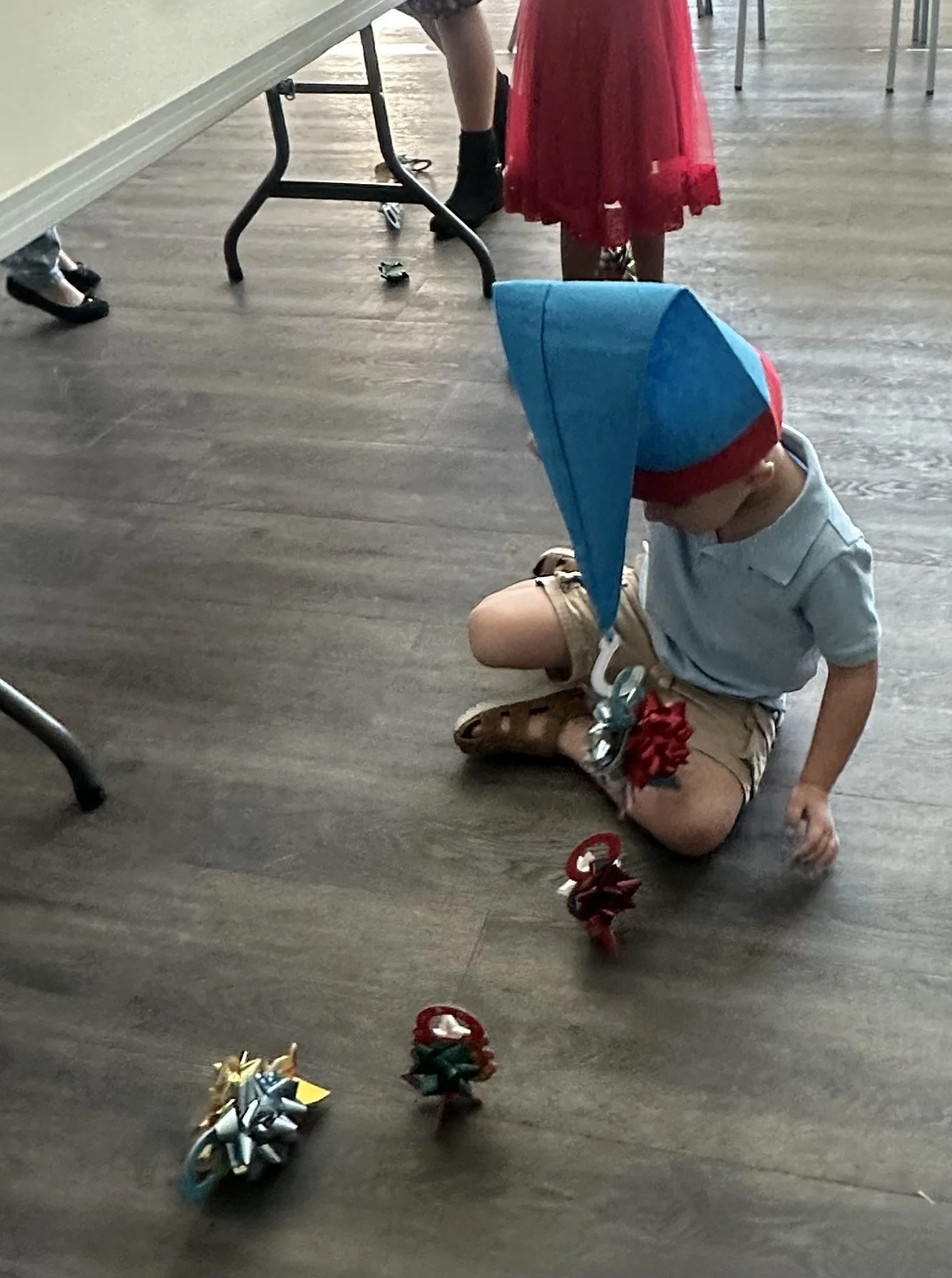
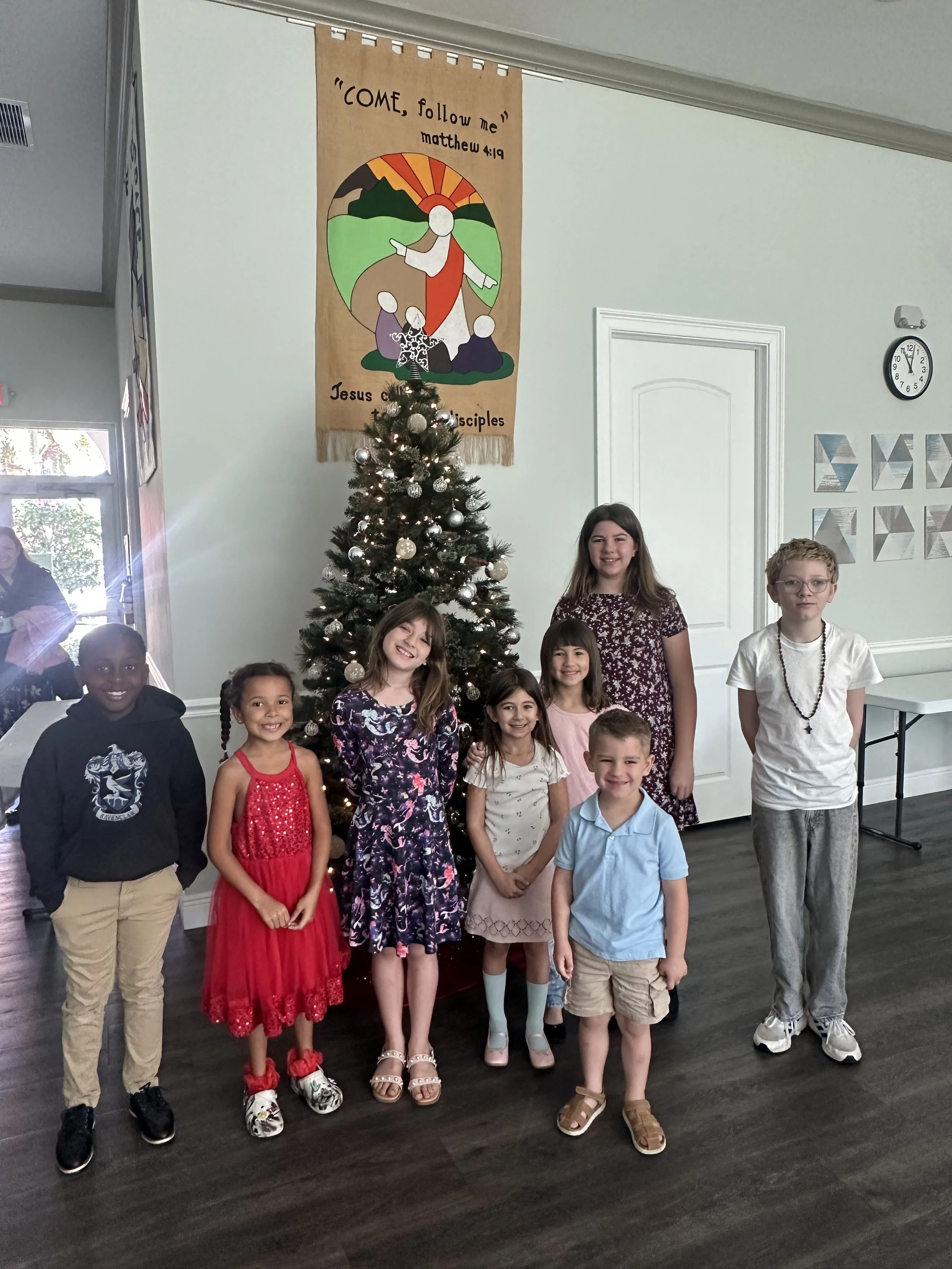
We celebrated Epiphany with gift bow games and a family gathering where we participated in a “regift” exchange. It was a fun way to close out the Christmas season together.
We celebrated Epiphany with gift bow games and a family gathering where we participated in a “regift” exchange. It was a fun way to close out the Christmas season together.






















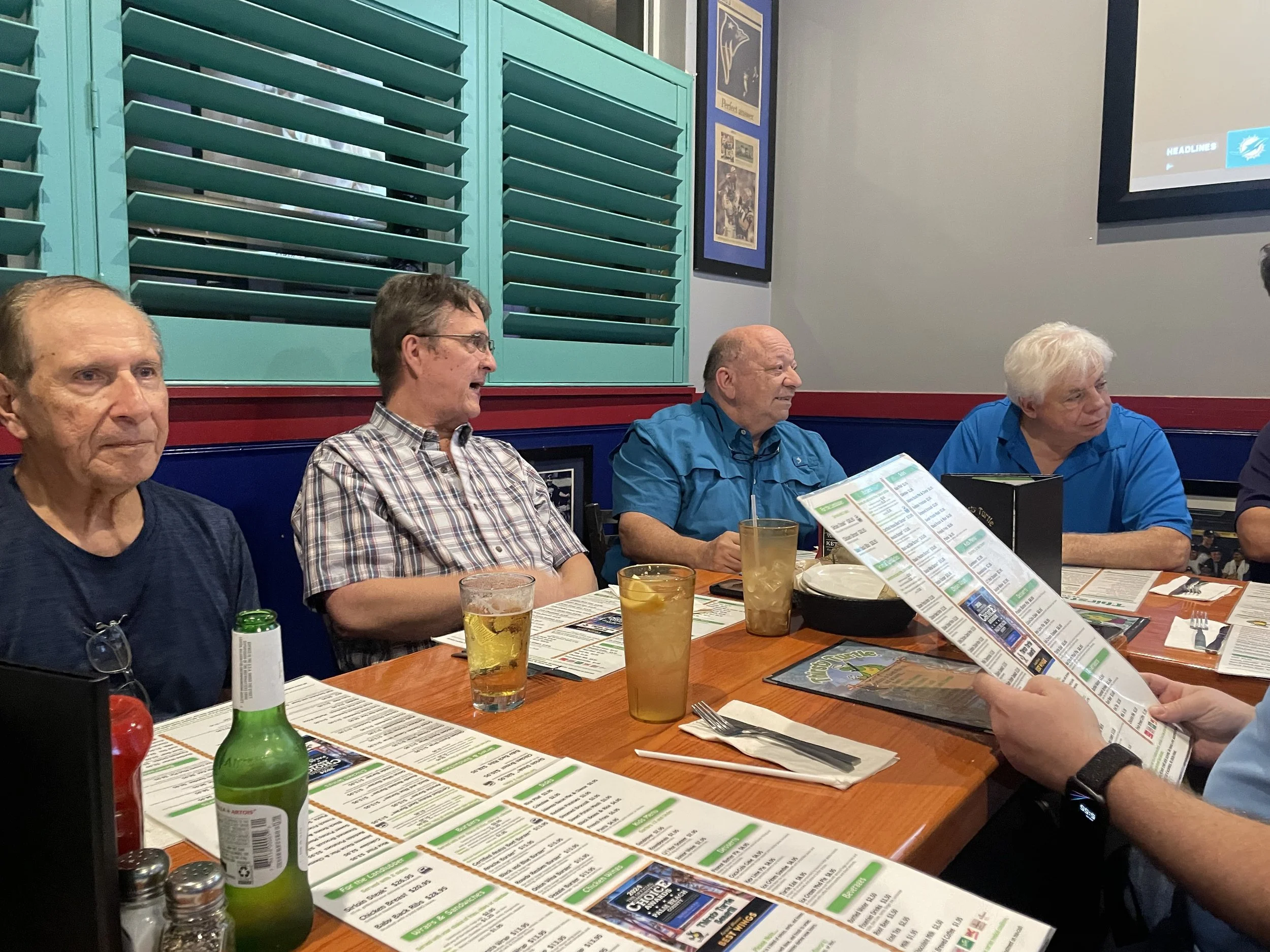
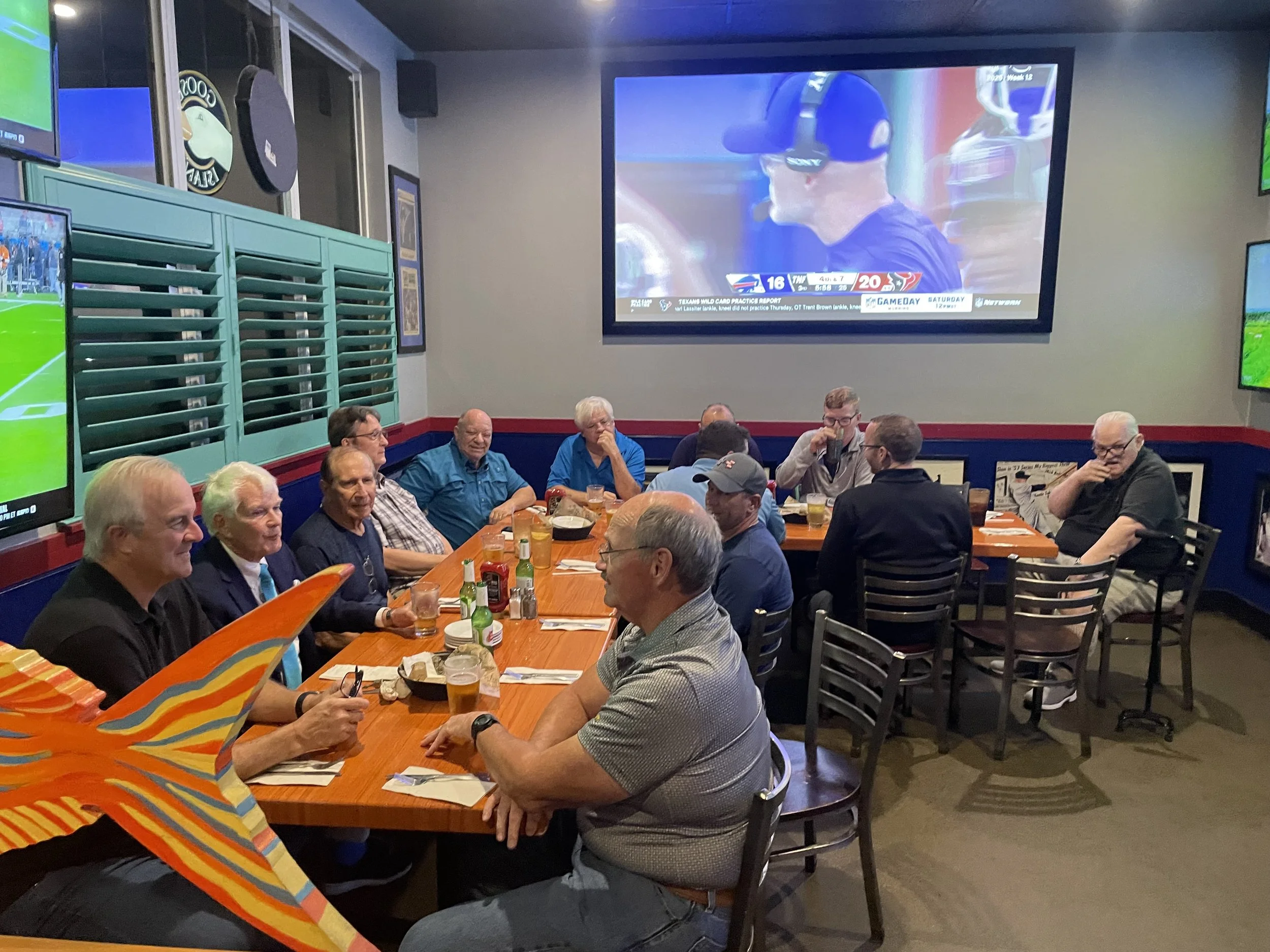
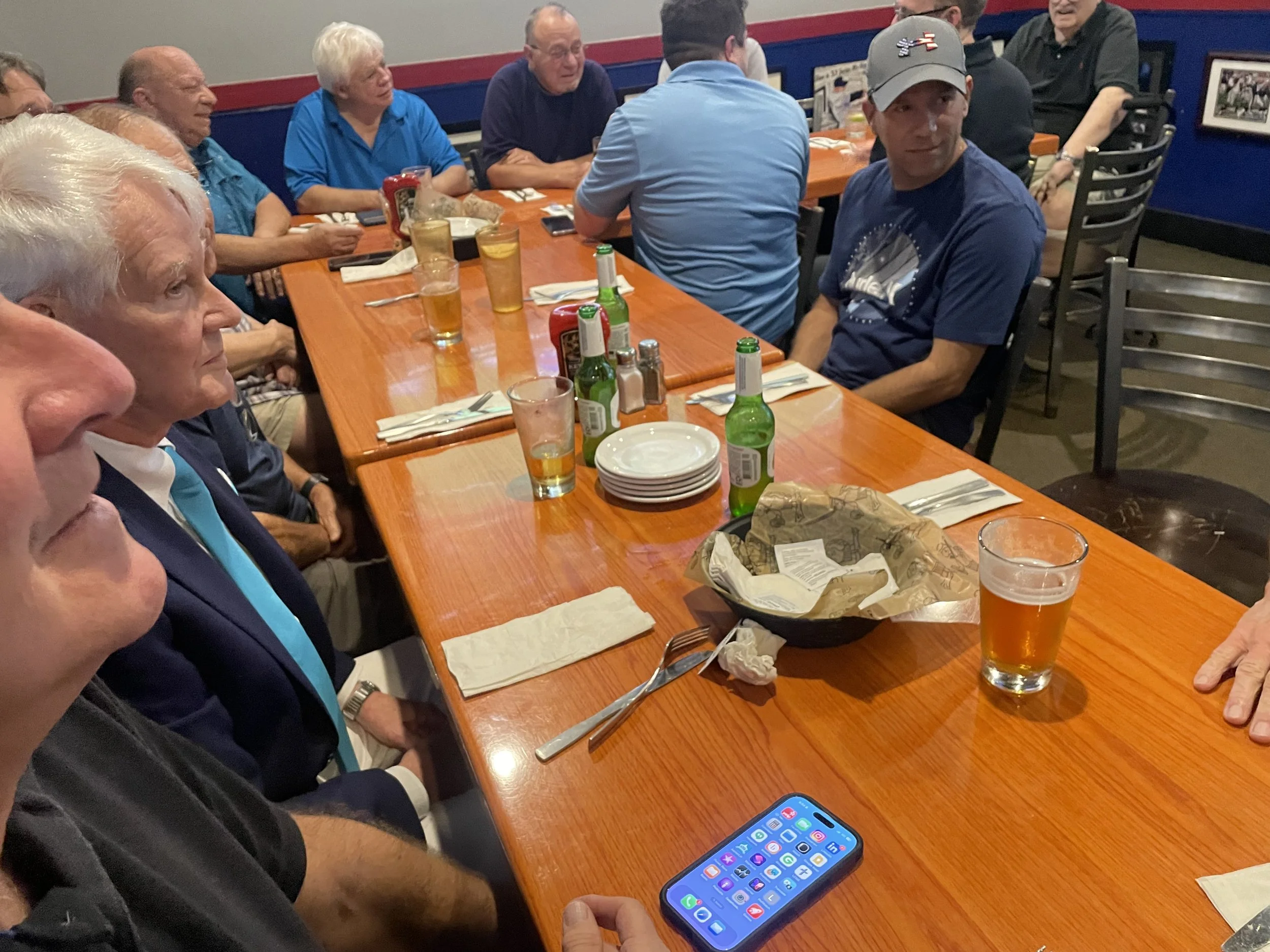
Guys Night at the Thirsty Turtle
Guys night at the Thirsty Turtle
About 15 Grace Guys had fun and talked at the thirsty Turtle on January 8th 2026



Joel Overview - Bible Study
This week, we began our study of the book of Joel, exploring its major themes of judgment, genuine repentance, and God's ultimate promise of restoration and the outpouring of His Spirit.
Joel Overview
This is our First class on Joel
This is an AI Recap of the class.
Some things may be incorrect.
Short Summary of the Whole Class
In our study of the book of Joel, we began with a high-level overview using a Bible Project video and then read through the entire book. We discussed its structure, which parallels a past "Day of the Lord" (a devastating locust plague) with a future one, highlighting God's call to genuine repentance. The class noted the book's deep connections to other scriptures, particularly Genesis and Exodus, and explored its central message: God is gracious and compassionate, and His judgment ultimately gives way to hope, restoration, and the outpouring of His Spirit, drawing parallels to themes in Revelation and its connection to the New Testament.
Detailed Class Summary
Introduction to the Study of Joel
We started our new Bible study series on the book of Joel, choosing this short but key prophetic book, which is also a reading for Ash Wednesday. The plan was to get a broad overview by watching the Bible Project video on Joel before reading through the entire book. We acknowledged that Joel is a unique and fascinating book, and its pictorial outline would be helpful in understanding its structure and message. The study is expected to last two or three weeks.
Summary of this Section: The class began a new study on the book of Joel, planning to use the Bible Project video as an introduction before reading the entire book to understand its overall themes and structure.
Bible Project Video and Initial Reactions
We watched the Bible Project video, which highlighted several unique features of Joel. It was noted that the book's date is likely post-exilic, during the time of Ezra and Nehemiah, as it mentions the temple but no king. Joel is also deeply familiar with other scriptures, quoting or alluding to prophets like Isaiah, Amos, and Ezekiel, and referencing foundational texts like Exodus. A key point was that Joel doesn't name Israel's specific sins, assuming his audience is already familiar with their history of rebellion from other prophetic works.
The video explained that the book is structured around the "Day of the Lord," a major prophetic theme.
Chapters 1-2: These chapters present two parallel poems. Chapter 1 describes a past Day of the Lord—a devastating locust swarm. Chapter 2 describes a future Day of the Lord, using military and cosmic imagery to portray the locusts as God's approaching army. In both instances, Joel calls for genuine repentance, urging the people to "rend your hearts, not your garments." This call is based on God's character as described in Exodus: "gracious and compassionate, slow to anger and...full of love."
God's Response: Following the people's repentance, God responds with a three-part promise: He will defeat the invaders, restore the ravaged land, and bring His divine presence.
Future Hope: The final section expands these promises. The promise of God's presence becomes the outpouring of His Spirit on all people. The defeat of the locusts becomes a picture of God confronting evil among all nations, and the restoration of the land points to the renewal of all creation.
Summary of this Section: The Bible Project video outlined Joel's structure, focusing on the "Day of the Lord" as both a past judgment (locust plague) and a future event. It emphasized God's call to sincere repentance, based on His merciful nature, which leads to promises of restoration, the outpouring of His Spirit, and the renewal of all creation.
Bible Verses Mentioned: Exodus 10, Exodus 34:6 (implied)
A Land in Devastation and a Call to Repentance
Reading through Joel, we started with the grim picture of an unprecedented disaster in Chapter 1: a multi-wave locust plague that has completely decimated the land, destroying all sources of joy and sustenance. The devastation affects every level of society, leading the prophet to call for national mourning, recognizing this event as a sign that "the day of the Lord is at hand."
Chapter 2 opens with an alarm signaling an even greater threat. The "Day of the Lord" is described as a day of darkness, with an approaching army likened to the locusts but more terrifying. In the face of this judgment, God offers mercy, calling His people to return to Him "with all your heart." The call is for genuine, internal change—to "rend your heart, and not your garments," based on God's nature as gracious and merciful. The chapter repeats the call for a sacred assembly, gathering everyone from elders to infants to collectively seek God's mercy.
Summary of this Section: We read about a catastrophic locust invasion that served as a powerful metaphor for spiritual emptiness and a sign of the approaching Day of the Lord. Amid this dire warning, a message of hope emerges as God calls for sincere, heartfelt repentance, emphasizing His desire to show grace and mercy.
Bible Verses Mentioned: Joel Chapter 1, Joel 2:1-17
Stories/Imagery: The four types of locusts destroying the land; a virgin mourning her husband; the "Northern Army" that runs like mighty men; the call to "rend your heart, and not your garments."
Restoration, Judgment, and Final Hope
Responding to the people's repentance, the tone shifts dramatically to restoration. The Lord promises to restore the land abundantly, sending grain, new wine, and oil. He will "restore the years that the locusts have eaten," removing their shame. This physical restoration leads to an even greater spiritual promise: "I will pour out my Spirit on all flesh." This radical prophecy declares that the Spirit will be given to all people—sons and daughters, old and young—and culminates in the promise that "whoever calls on the name of the Lord shall be saved."
The final chapter moves to the ultimate "Day of the Lord," where God judges the nations in the "Valley of Jehoshaphat" for their mistreatment of Israel. In a striking reversal of Isaiah's prophecy, the nations are told to "Beat your plowshares into swords" to gather for judgment. The imagery is of a harvest, where the wickedness of the nations is "ripe." In contrast, the Lord will be a refuge for His people, and the book concludes with the promise of an eternally holy Jerusalem where "the Lord dwells in Zion."
Summary of this Section: We read God's compassionate response, promising to restore what was lost and more. This leads to the significant prophecy of the outpouring of the Spirit on all people and salvation for all who call on God. The book concludes with a final judgment of the nations and the eternal security of God's people.
Bible Verses Mentioned: Joel 2:18-32, Joel Chapter 3, Isaiah 2:4, Micah 4:3
Stories/Imagery: God restoring the years the locusts have eaten; the outpouring of the Spirit on all flesh; the judgment of nations in the "Valley of Decision"; the reversal of "beat your plowshares into swords."
Class Discussion and Reflections
The class discussed the connections between Joel and other parts of the Bible.
We explored the changing voices in Joel, a common feature of prophetic writing where the prophet speaks on God's behalf.
A major theme was the recurring human temptation to build our own "Tower of Babylon"—a metaphor for seeking power on our own terms. Joel's call to "rend your hearts" is a direct command to abandon this path for genuine repentance.
The themes of judgment and hope reminded the group of the book of Revelation. Both books, while containing stark warnings, are ultimately uplifting because they end with restoration. The imagery of the "Day of the Lord" as a final, battle-less battle strongly parallels Revelation.
We noted that Joel is frequently quoted in the New Testament, particularly in the Gospel of Matthew. The outpouring of the Spirit is a foundational prophecy fulfilled at Pentecost.
Summary of this Section: The class connected Joel's themes to the broader biblical narrative, discussing the "Tower of Babylon" temptation, the call to authentic repentance, and the shared pattern of judgment followed by uplifting hope found in both Joel and Revelation.
Final Summary of the Class
Today’s class served as an introduction to our study on the book of Joel. We began with an overview from a Bible Project video and then read through the book, exploring its powerful prophetic message. We examined how Joel uses a recent disaster—a plague of locusts—as both a tangible symbol of judgment and a template for understanding the future "Day of the Lord." Central to the book is the call for sincere repentance ("rend your hearts, not your garments"), grounded in the knowledge of God's immense mercy and compassion as revealed in Exodus.
In our discussion, we noted Joel's deep connections to the Pentateuch, especially Genesis and Exodus, re-contextualizing events like the plagues and the Garden of Eden. We drew parallels between Joel and the book of Revelation, recognizing a common narrative of judgment that ultimately leads to an uplifting message of hope. The book's arc moves from desolation and "uncreation" to God's glorious promises of restoration. This includes not only reversing the material disaster but also the pinnacle promise of the outpouring of the Holy Spirit on all people, making salvation available to all who call on the name of the Lord. The study concluded by looking ahead to the final judgment of nations and the ultimate, eternal security of God's people in a purified Jerusalem where He dwells with them forever.
Main Points
We are beginning a new Bible study on the book of Joel, a short but powerful prophetic work.
Joel uses a devastating locust plague as a wake-up call to address the people's spiritual state and the coming "Day of the Lord."
A central theme is the rejection of humanity's self-serving quest for power (the "Tower of Babylon") in favor of genuine humility and repentance.
Joel calls for sincere repentance ("rend your hearts"), based on God's character as merciful and gracious.
God's response to repentance is a promise of total restoration, making up for lost time and opportunity.
The book's ultimate hope is the outpouring of the Holy Spirit on all flesh and the promise that salvation is for all who call on God's name.
Joel shares thematic similarities with Revelation, depicting a final judgment of worldly powers that gives way to a restored, Eden-like paradise for God's people.
Scriptures and Stories Mentioned
Bible Scriptures:
The Book of Joel (Chapters 1, 2, and 3)
Exodus 10 (Plague of Locusts)
Exodus 34:6 (God's character as gracious and compassionate)
Isaiah 2:4, Micah 4:3 (Beat swords into plowshares)
Prophets alluded to by Joel: Isaiah, Amos, Zephaniah, Nahum, Obadiah, Ezekiel, Malachi
Matthew (quotes Joel)
Bible Stories and Concepts:
The Ten Plagues of Egypt (specifically the locust plague)
The Tower of Babel (Babylon)
Israel making the Golden Calf (the context for God revealing His mercy)
David and Bathsheba
The Garden of Eden
The Battle of Armageddon (from Revelation)
The concept of tohu va'vohu (formless and void/wild and waste) from Genesis
The Cross of Jesus (described as the ultimate "Day of the Lord" where God takes judgment on Himself)
Guys Night - 5:45pm 1st Thursdays
Thursday, January 8th 5:45pm at Thirsty Turtle Seagrill in PSL

January 8th - 5:45pm
Thirsty Turtle Seagrill in PSL
2825 SW Port St Lucie Blvd, Port St. Lucie, FL 34953
[Sunday] Epiphany - We Three Kings
While earthly rulers try to hijack the story of the Magi to claim power, the gifts of Gold, Frankincense, and Myrrh reveal a King who rules through sacrifice and death, calling us to abandon the world's version of greatness for a "different way."
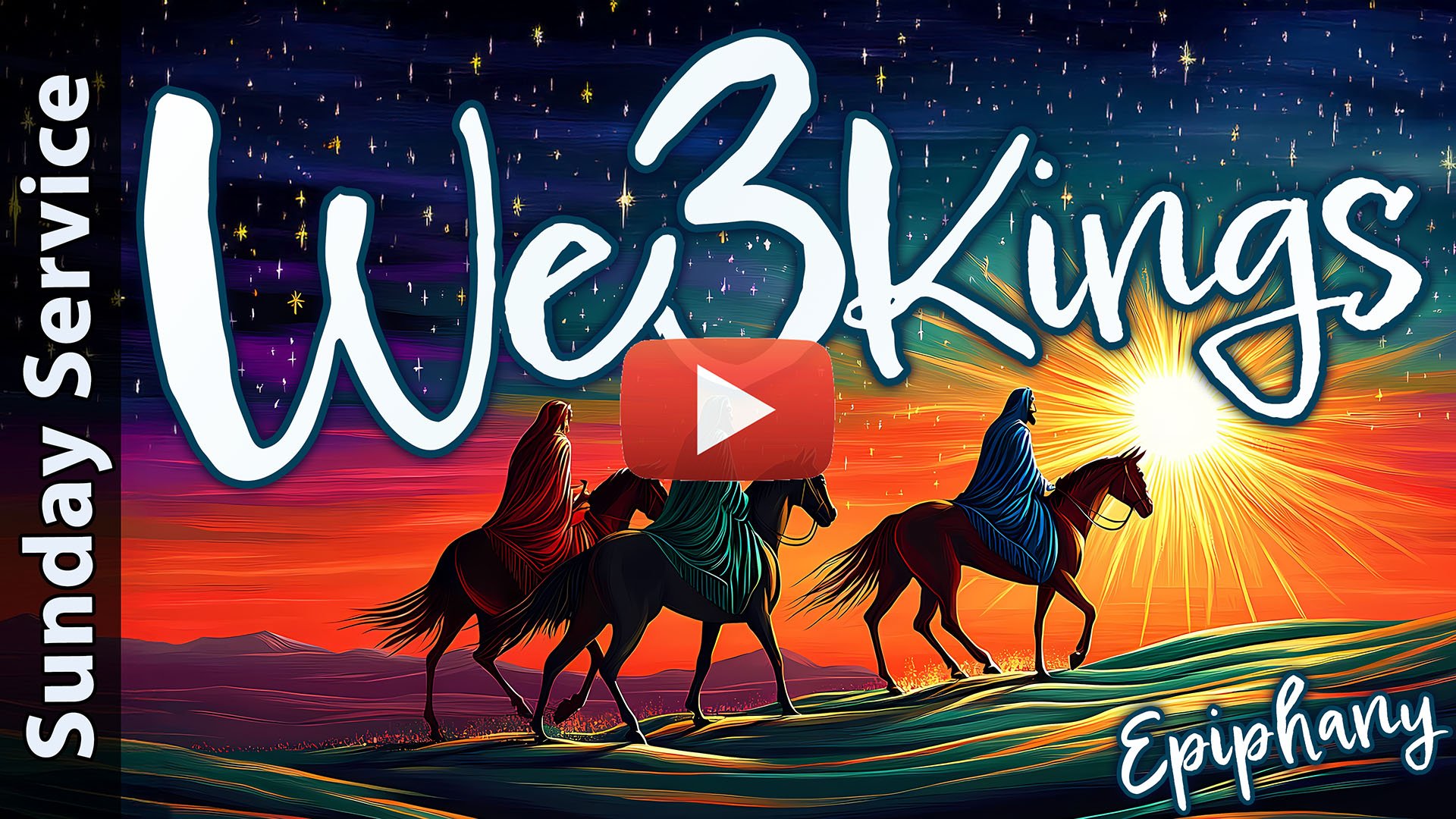
While earthly rulers try to hijack the story of the Magi to claim power, the gifts of Gold, Frankincense, and Myrrh reveal a King who rules through sacrifice and death, calling us to abandon the world's version of greatness for a "different way."
Questions for the Week: We Three Kings
The Magi were "wise guys" and outsiders, not the religious elite. Who are the "unexpected people" in our world today that might be seeing the truth of Jesus more clearly than those of us inside the church?
Read Matthew 2:1-15: We often admire people with wealth and power. How does the image of Magi laying gold at the feet of a toddler in a common house change your perspective on what we should focus on in life?
Why is it important for us to remember the Myrrh (a burial spice that points to the cross) even during the celebration of Christmas and Epiphany? How does this gift given to Jesus by the Magi give you hope in the midst of suffering?
After meeting Jesus, the Magi "departed into their own country another way." In what specific area of your life is the "True King" calling you to stop following the world’s path and start going "another way"?

What Had happened at Grace this week.
![[Sunday] A Song of Christmas Light - Wait | Simeon](https://images.squarespace-cdn.com/content/v1/5852f18a20099e30cd2c01dc/1766465408750-D8B3EGC204JHKAXLWITJ/Christmas+light+6a.jpg)
[Sunday] A Song of Christmas Light - Wait | Simeon
Just as the Apollo 8 astronauts were awed by our tiny planet in a vast universe, Simeon’s joy reminds us that God proves His love by entering the most "insignificant" places—a manger, a small town, and our own ordinary lives—to bring us peace.
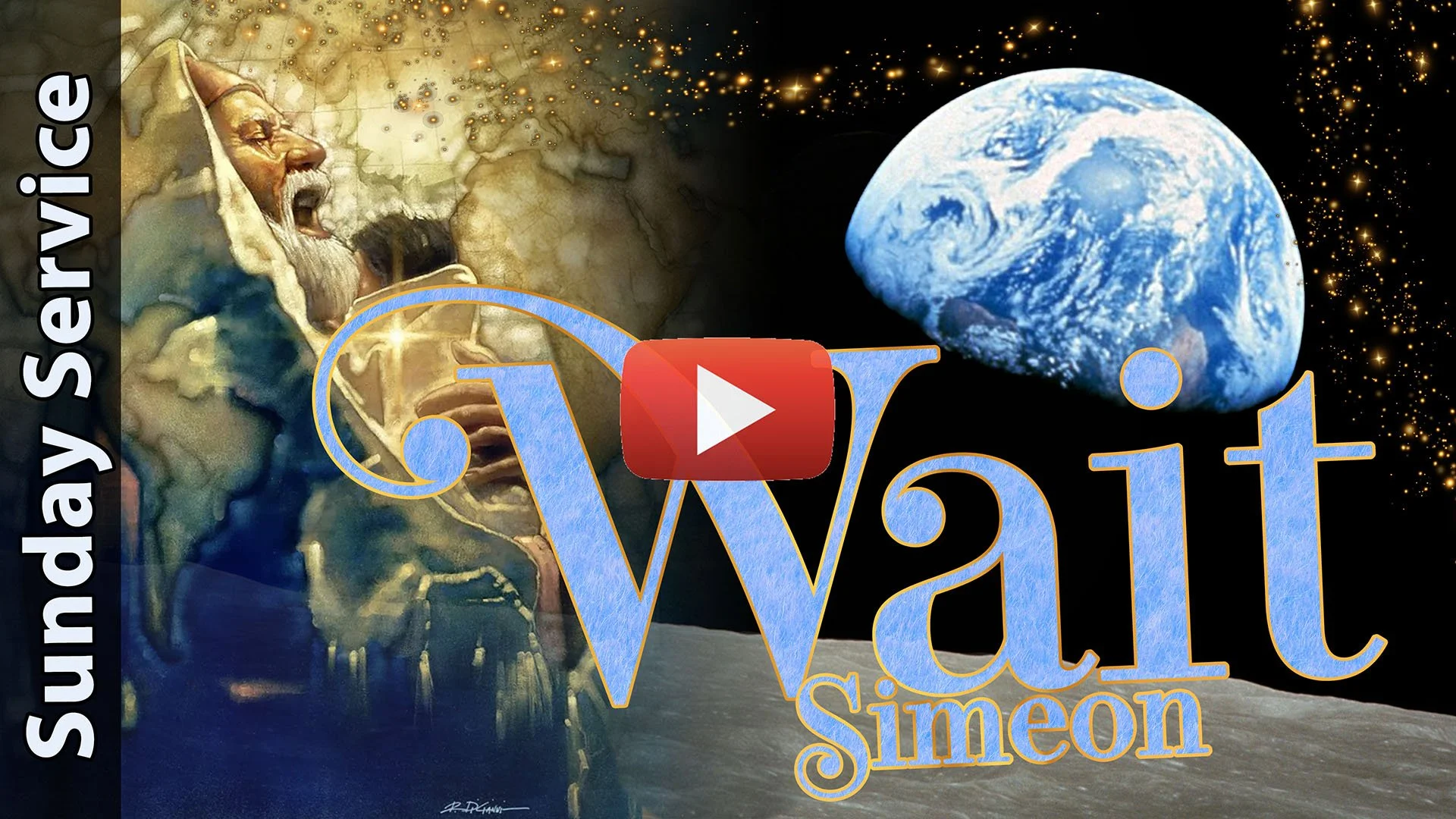
Just as the Apollo 8 astronauts were awed by our tiny planet in a vast universe, Simeon’s joy reminds us that God proves His love by entering the most "insignificant" places—a manger, a small town, and our own ordinary lives—to bring us peace.
Questions for the Week: A Story of Christmas Light - Pointing to Greatness
What is something you are currently waiting for God to do in your life, and how do you handle the silence while you wait?
Read Luke 2:22-38. Simeon recognized that the wait was over, that the Savior was in this poor baby. Why do you think God so often chooses to work through "insignificant" means (a baby, a manger, a cross) rather than through displays of raw power?
The astronauts on Apollo 8 felt tiny looking back at Earth from space. Have you ever felt "small" or "insignificant"—maybe at school, at work, or just looking at the stars? How does knowing that God chose to become a tiny, "insignificant" baby change how you feel about your own smallness?
What Had happened at Grace this week.
![[Christmas Day] Beautiful Trees](https://images.squarespace-cdn.com/content/v1/5852f18a20099e30cd2c01dc/1766458441148-4Z6ZUARBSWFIBNXRVG4D/Christmas+light+Daya.jpg)
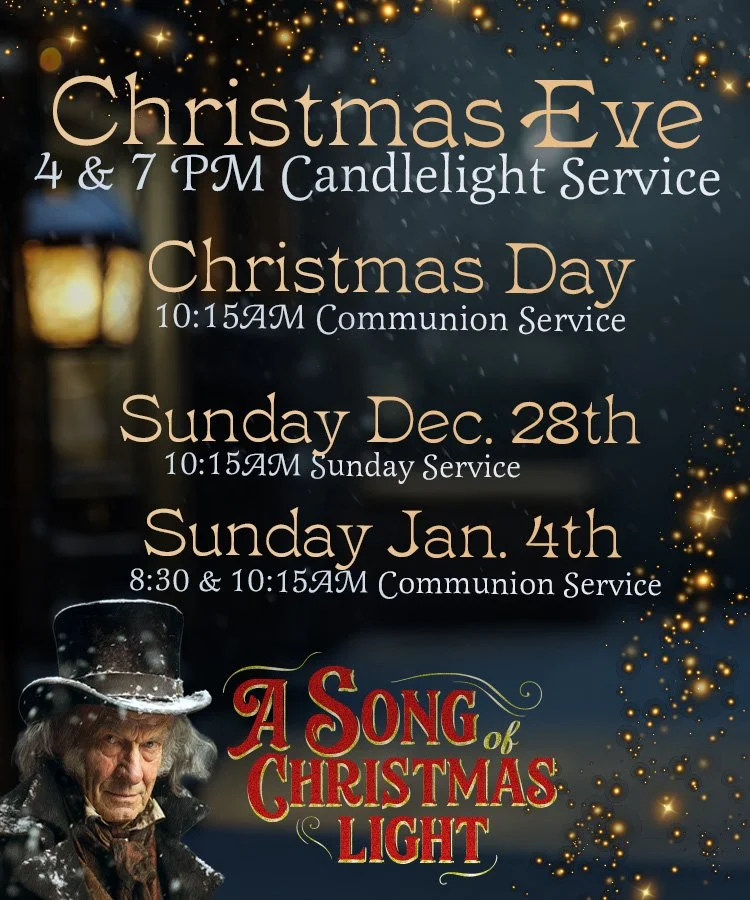
[Christmas Day] Beautiful Trees
More than just a decoration, the Christmas tree stands as a symbol of the "Feast of Adam and Eve," proclaiming that the New Adam has come to restore Paradise.

More than just a decoration, the Christmas tree stands as a symbol of the "Feast of Adam and Eve," proclaiming that the New Adam has come to restore Paradise.
What Had happened at Grace this week.
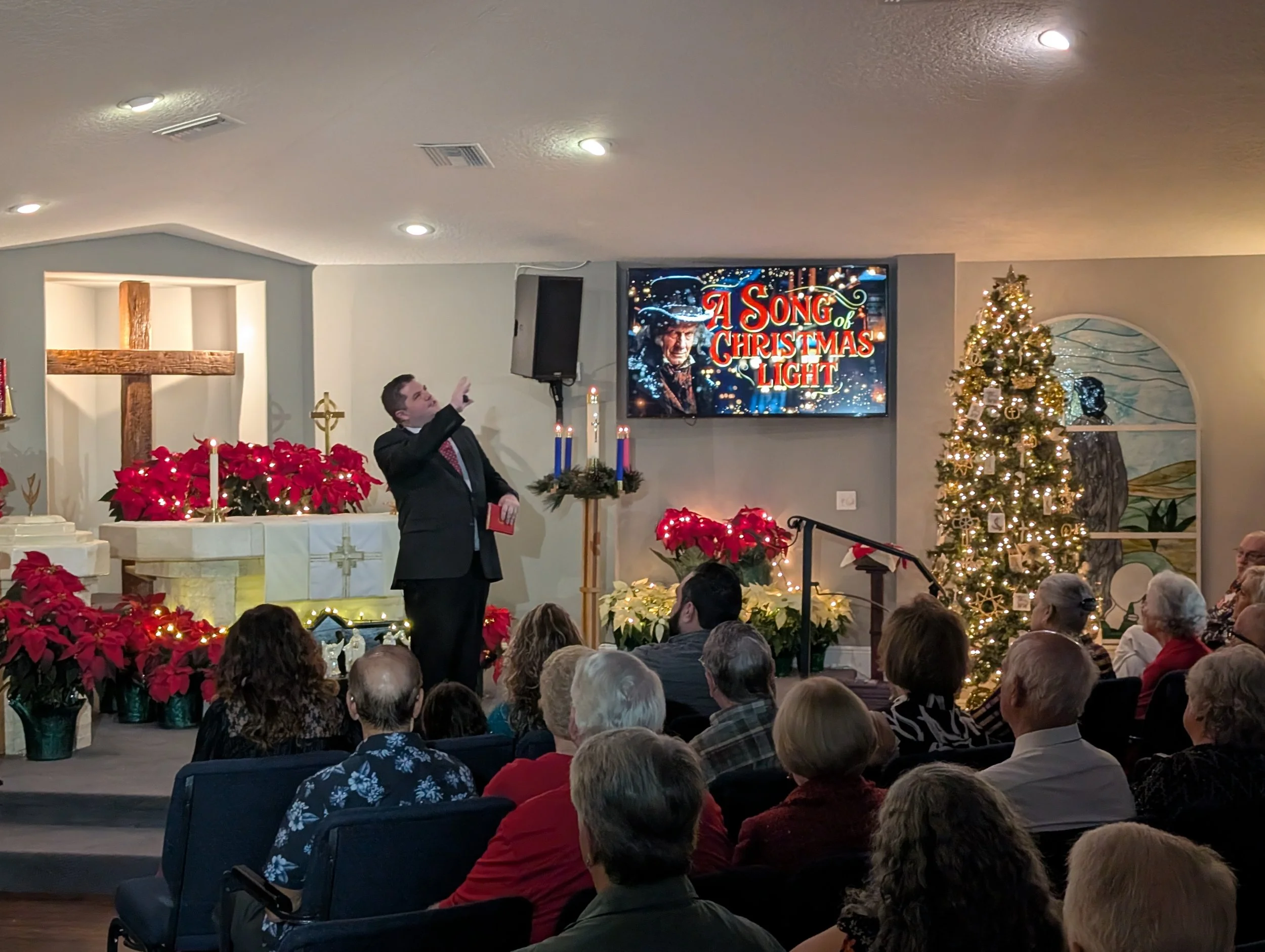
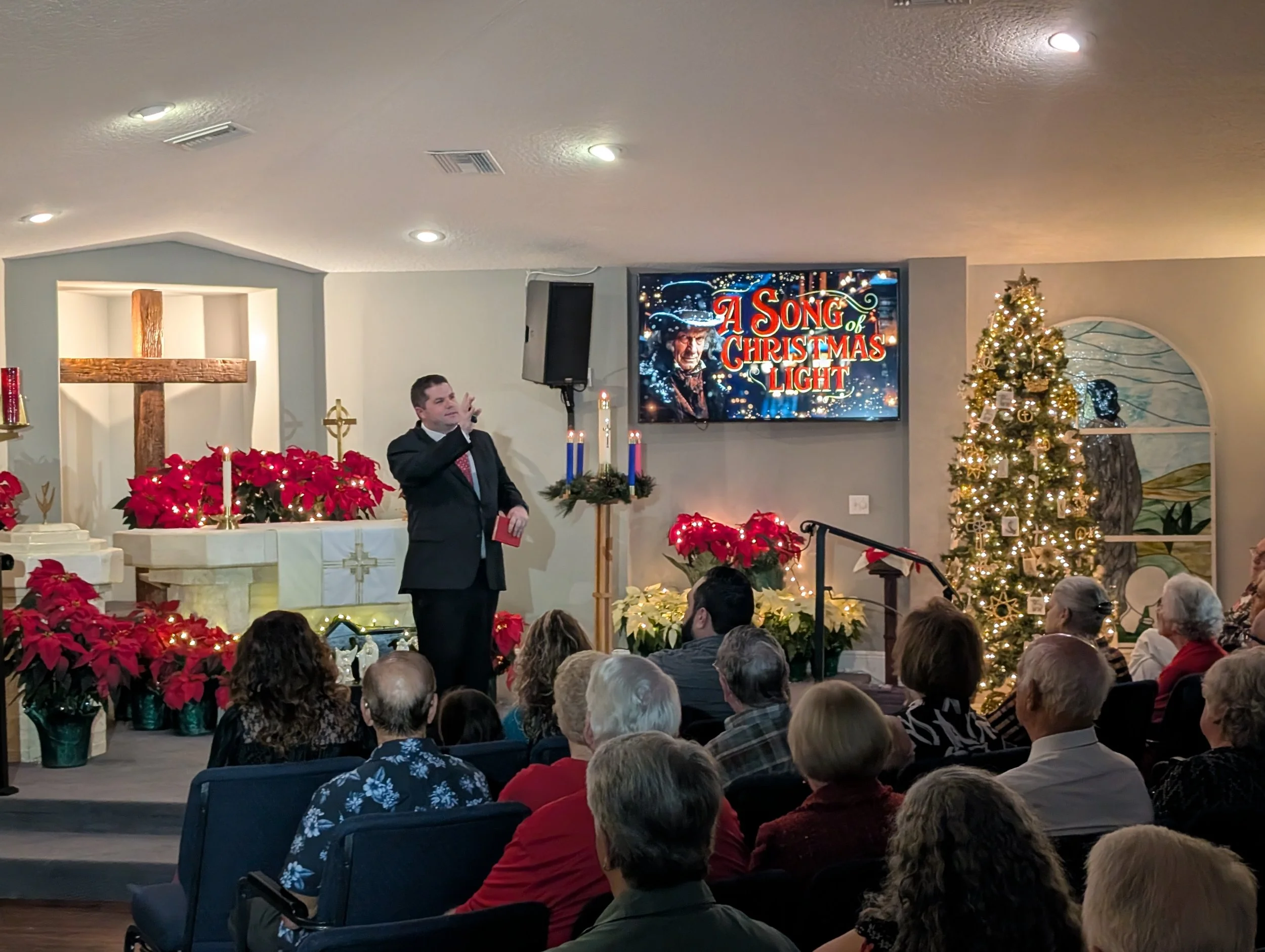
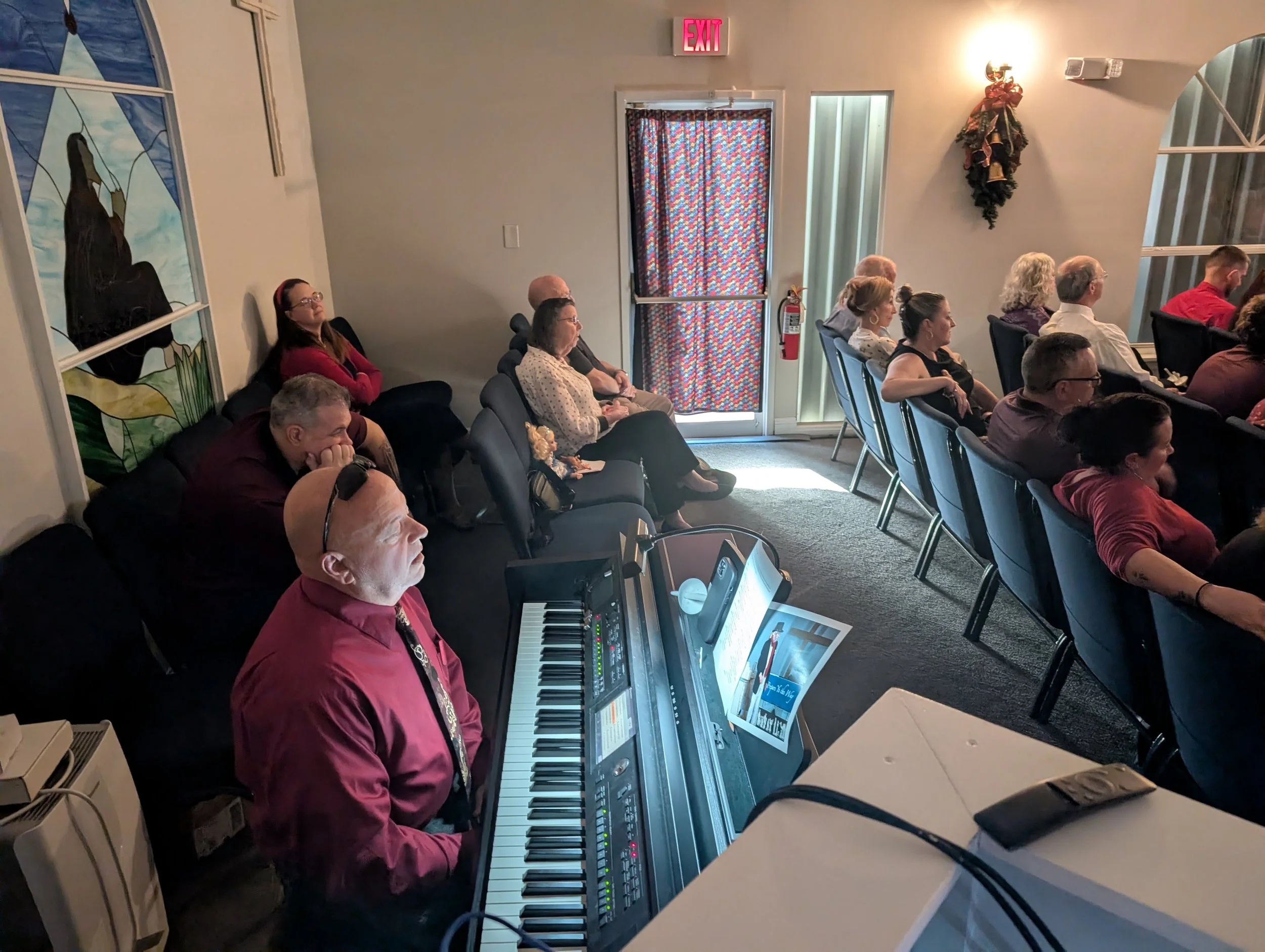
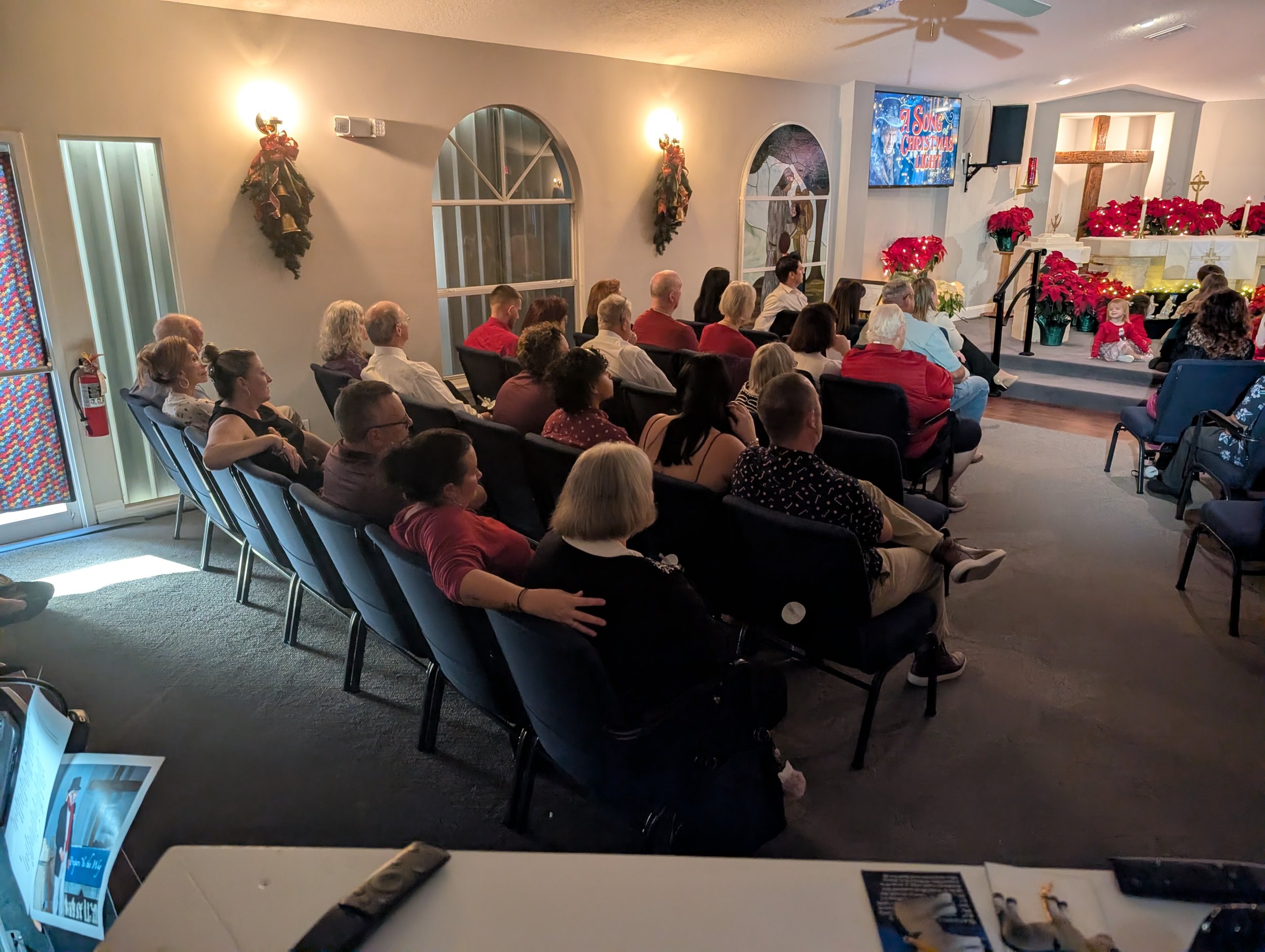
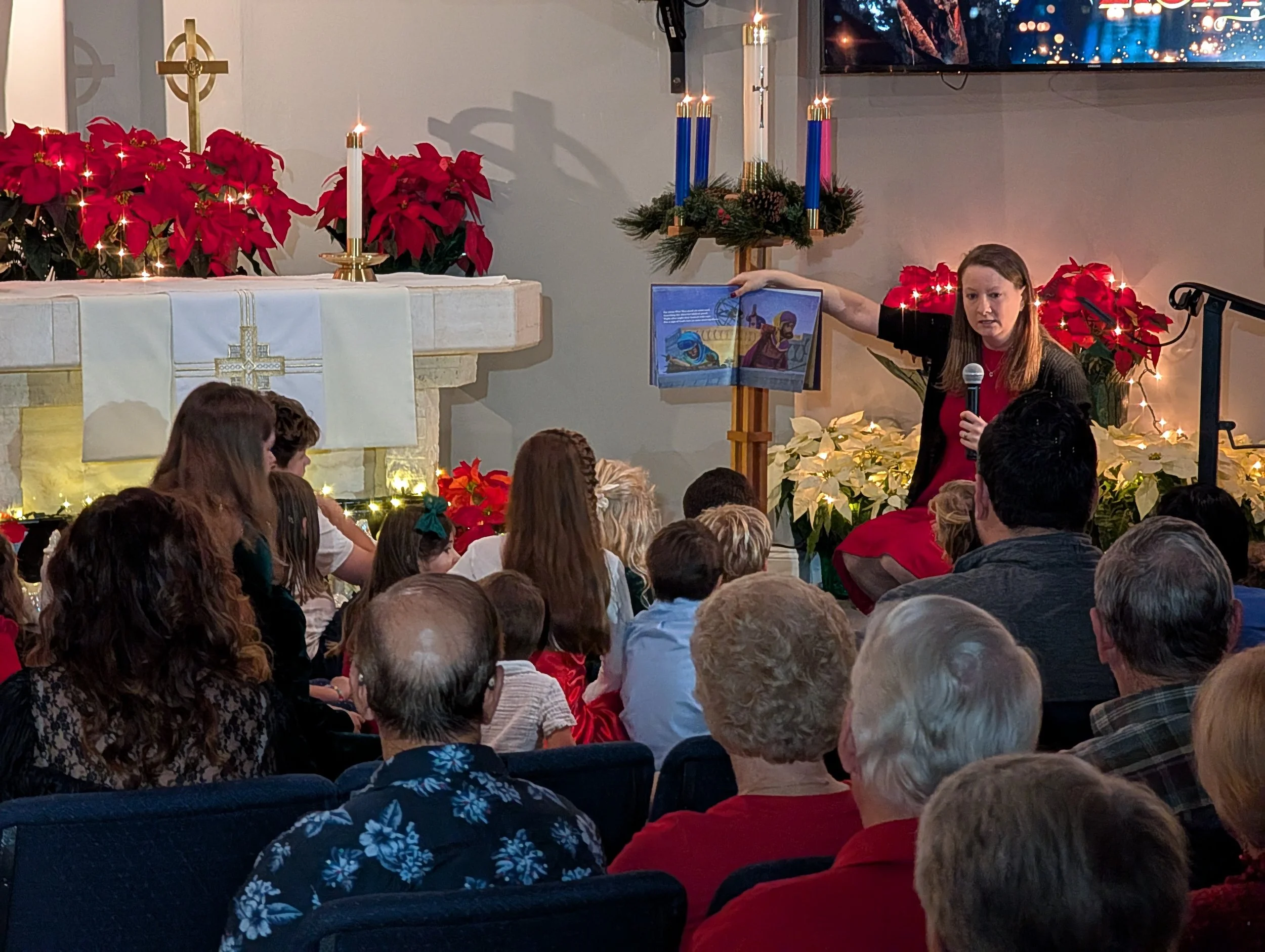
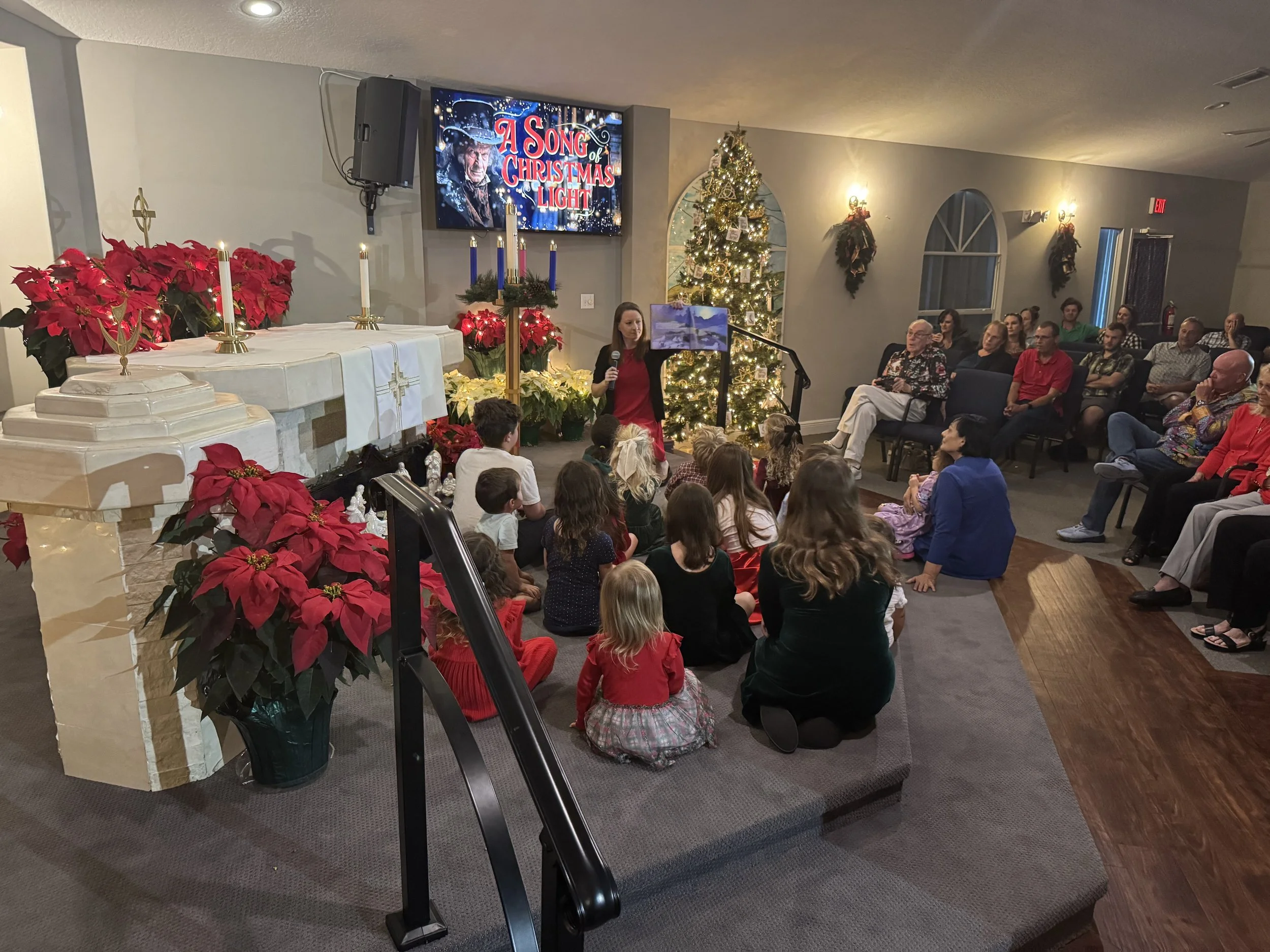
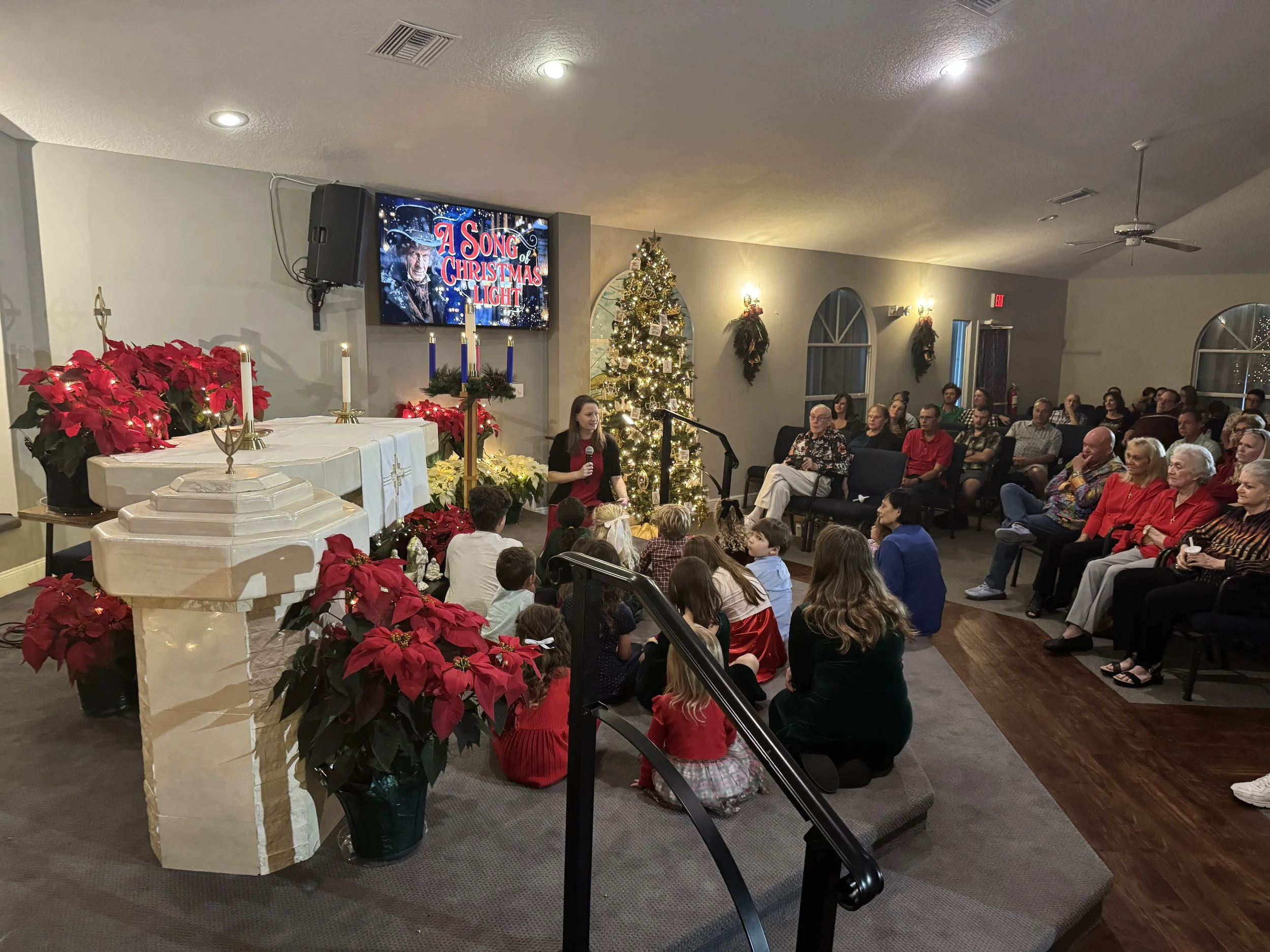
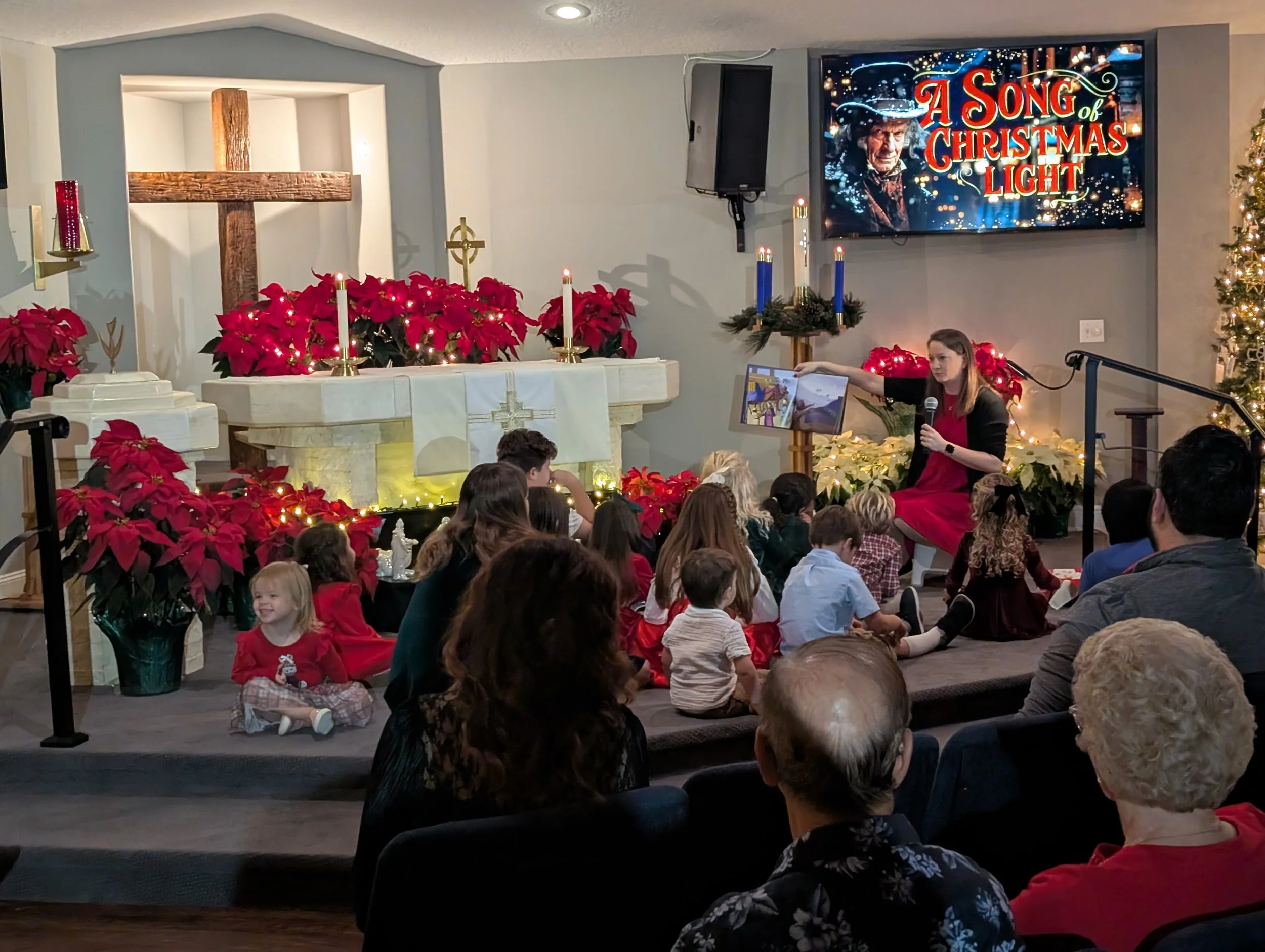
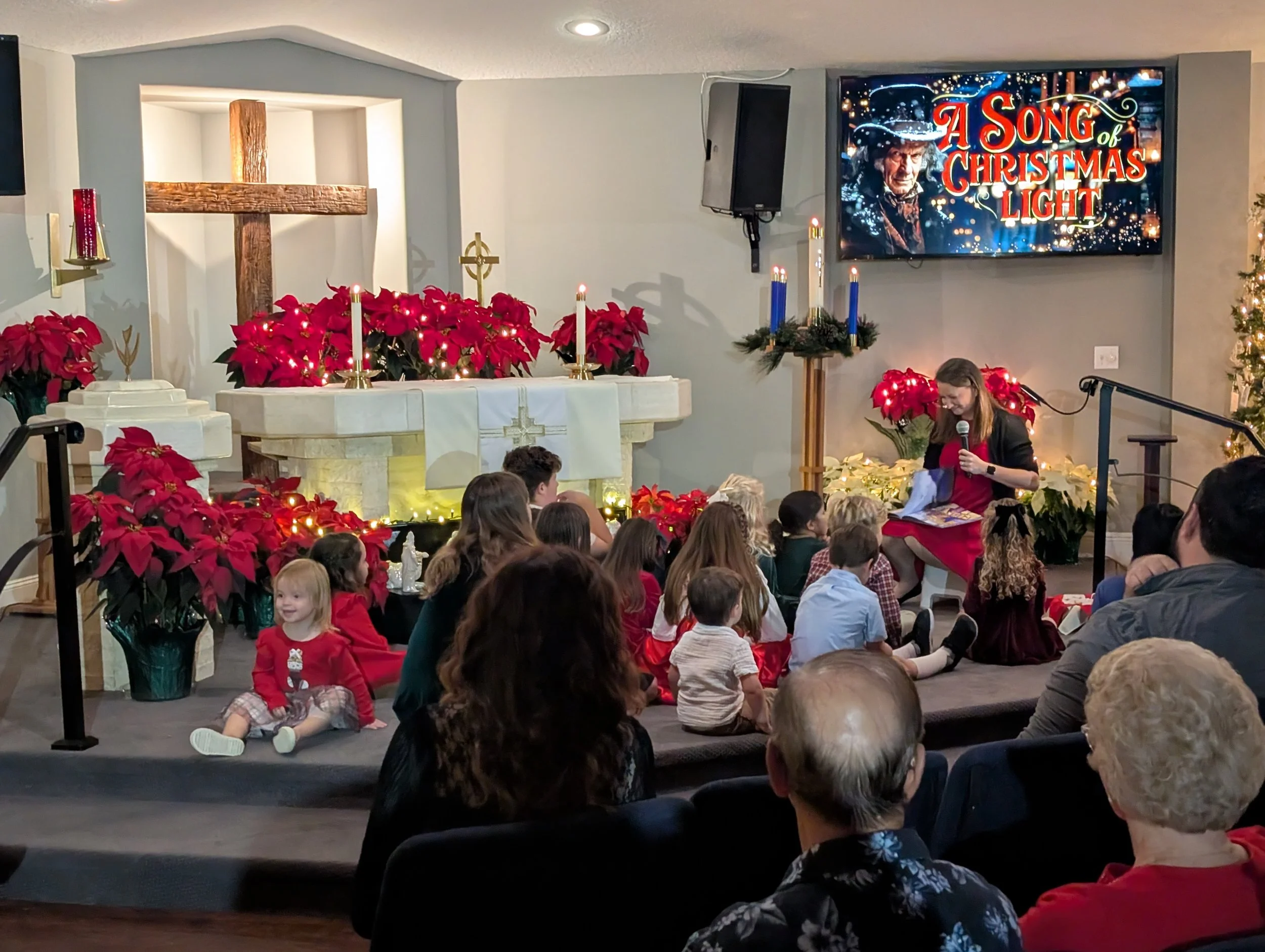
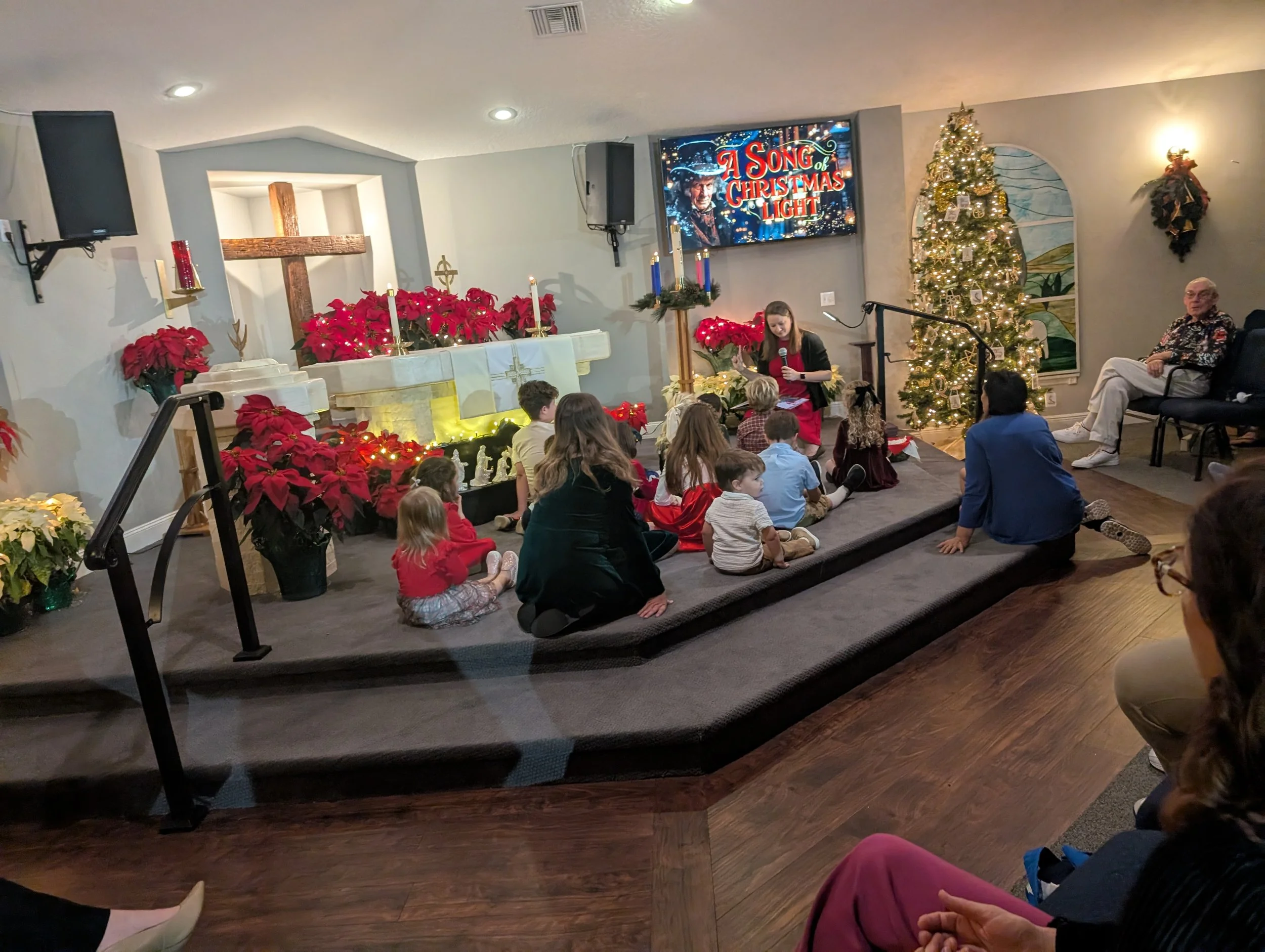
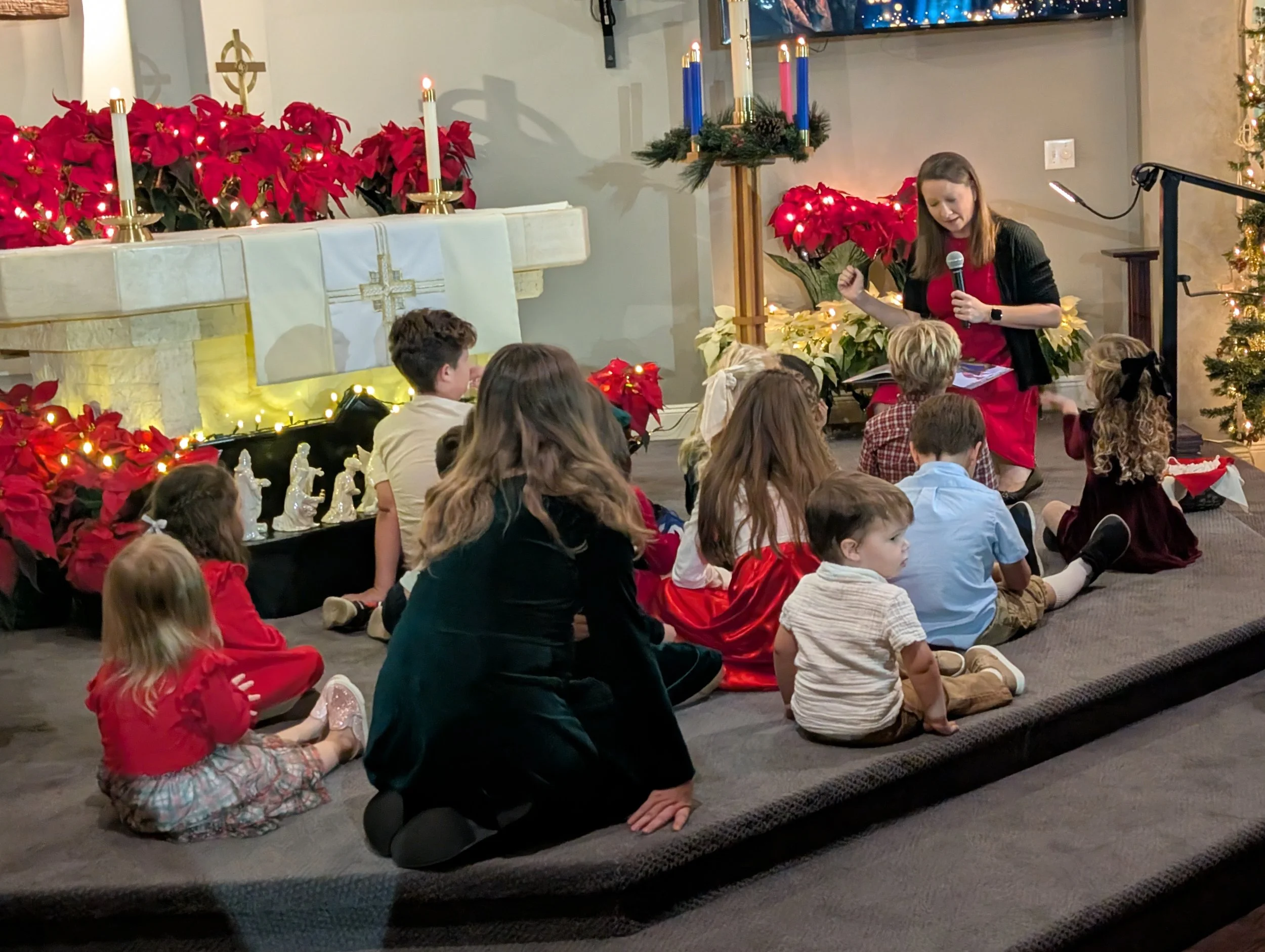
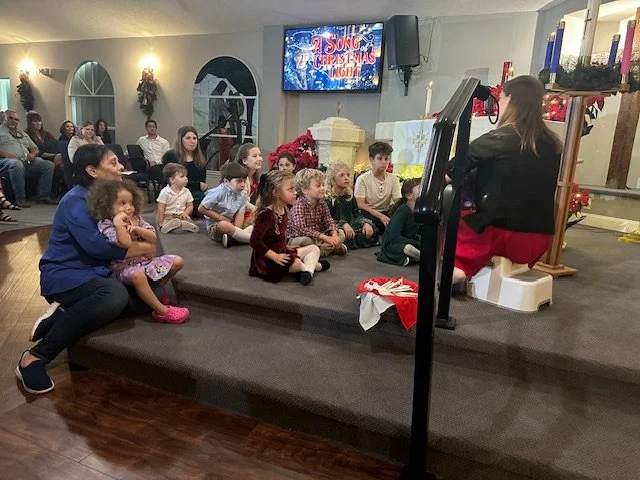
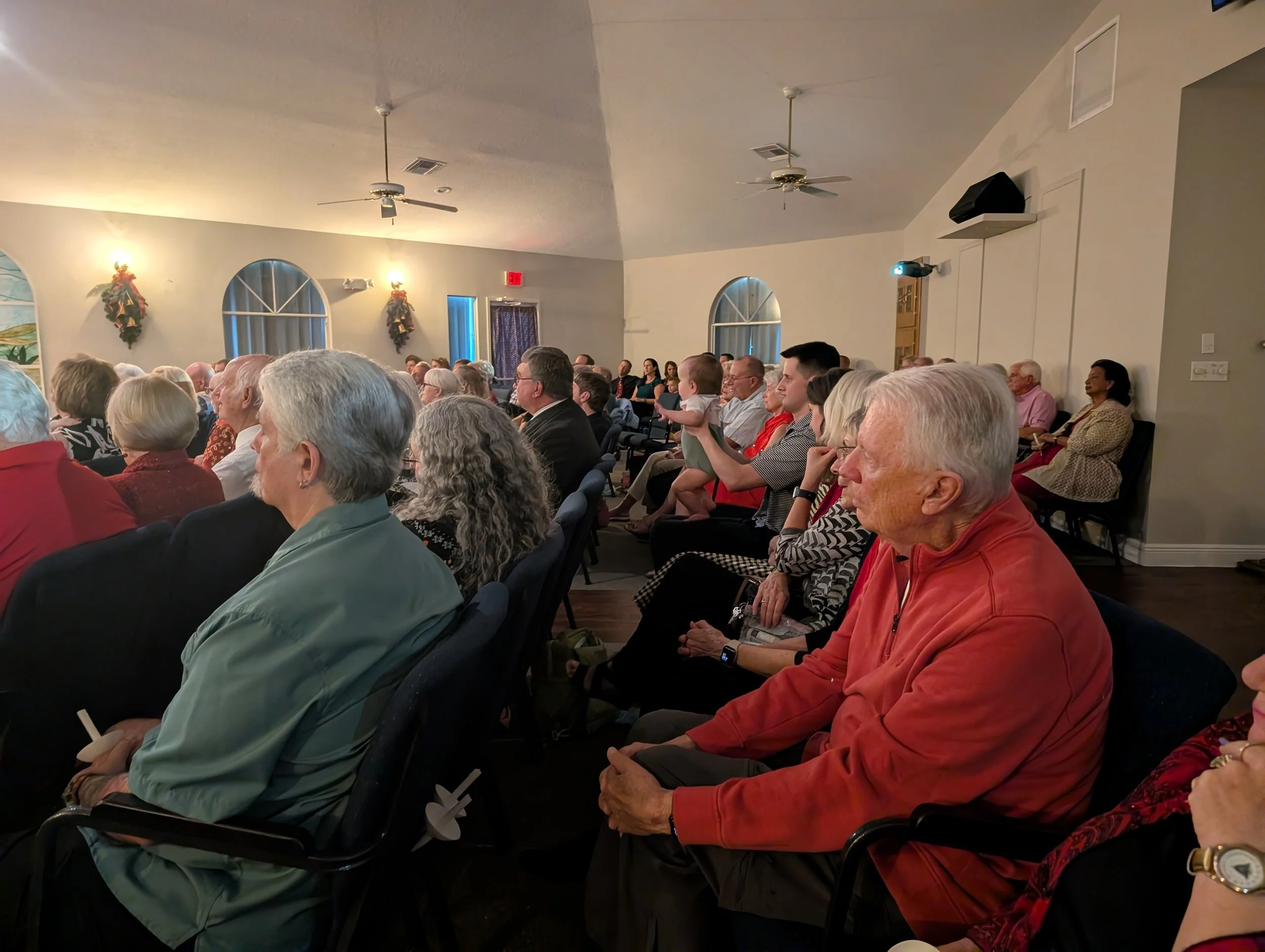
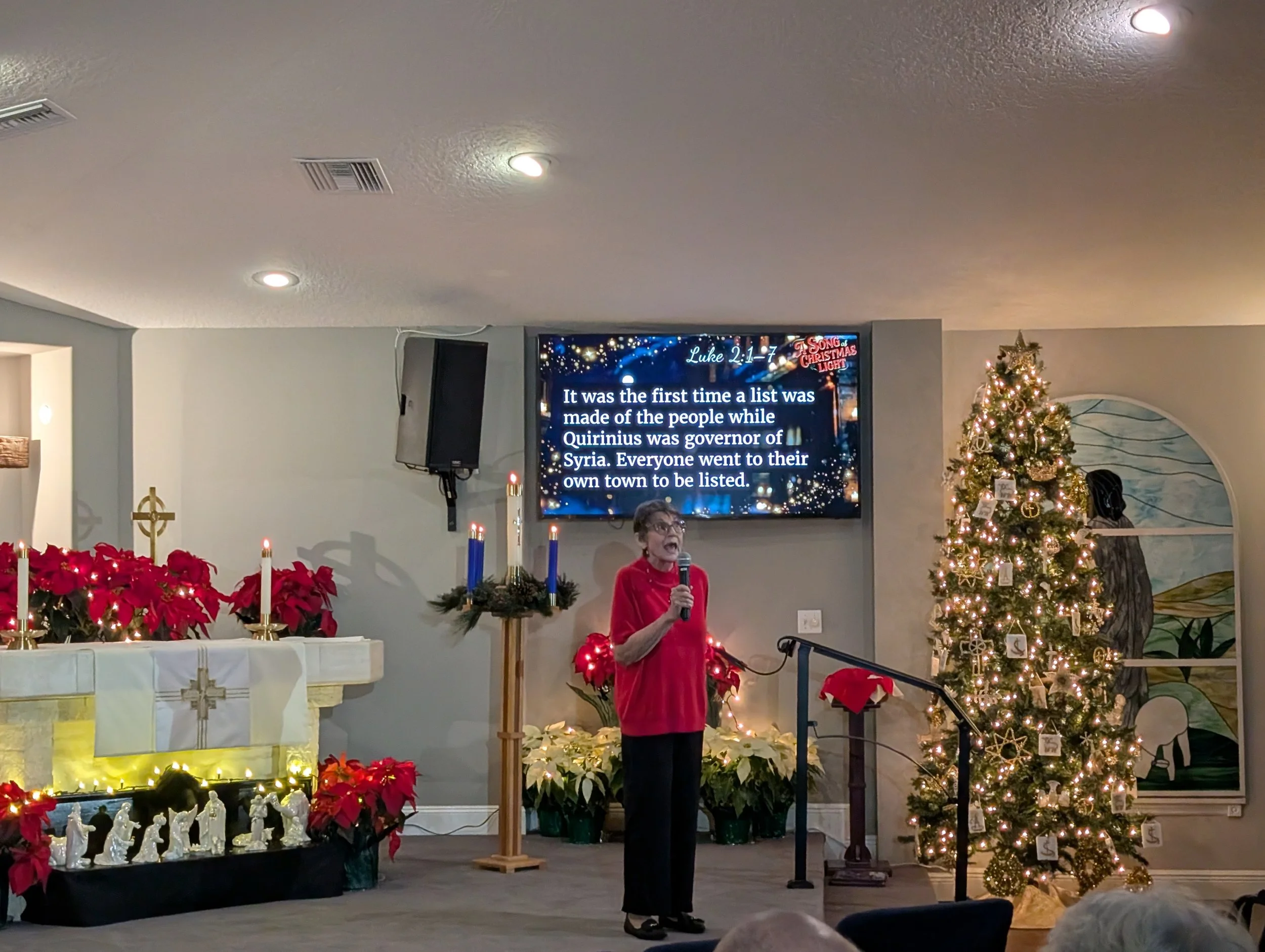
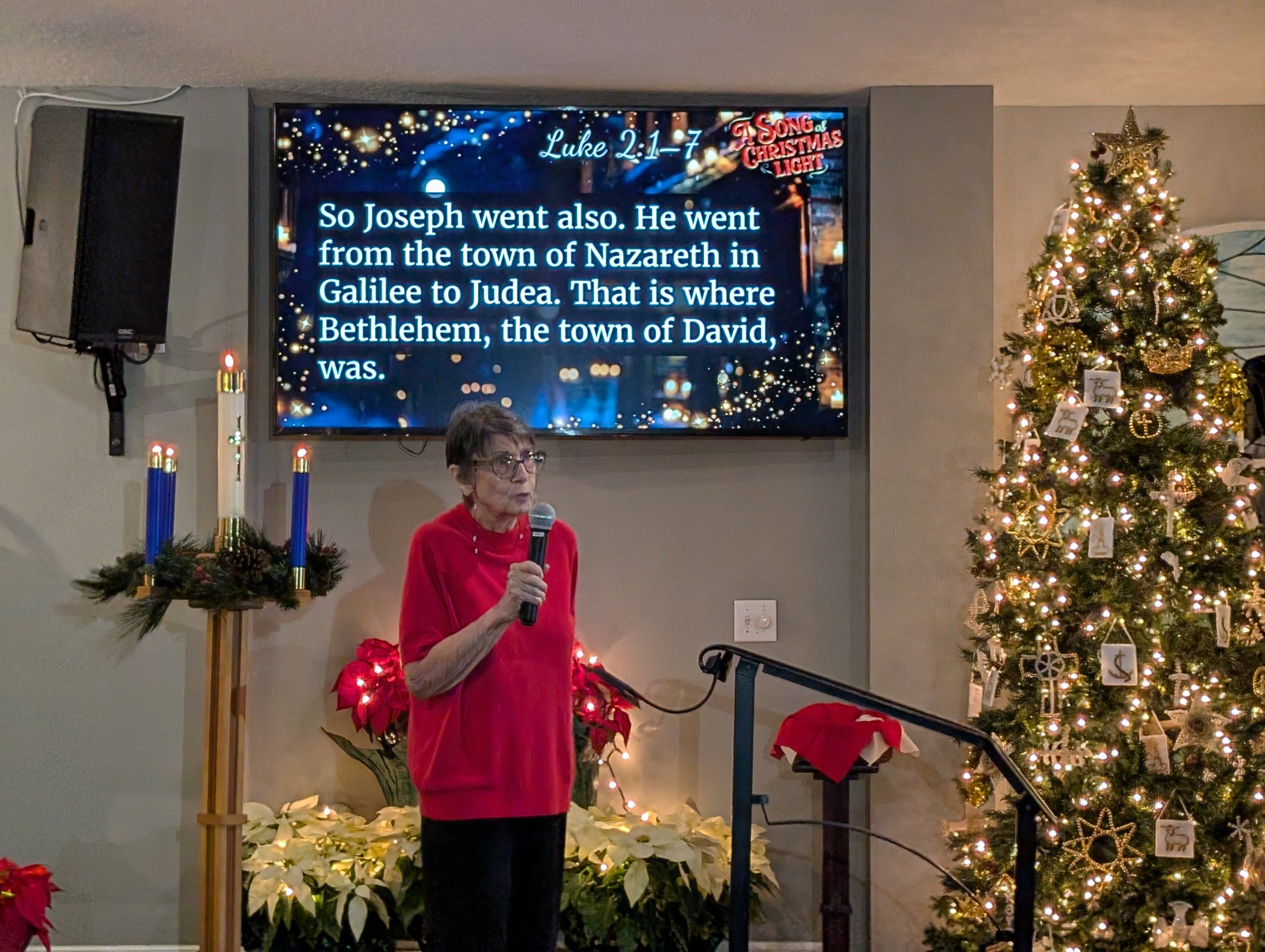
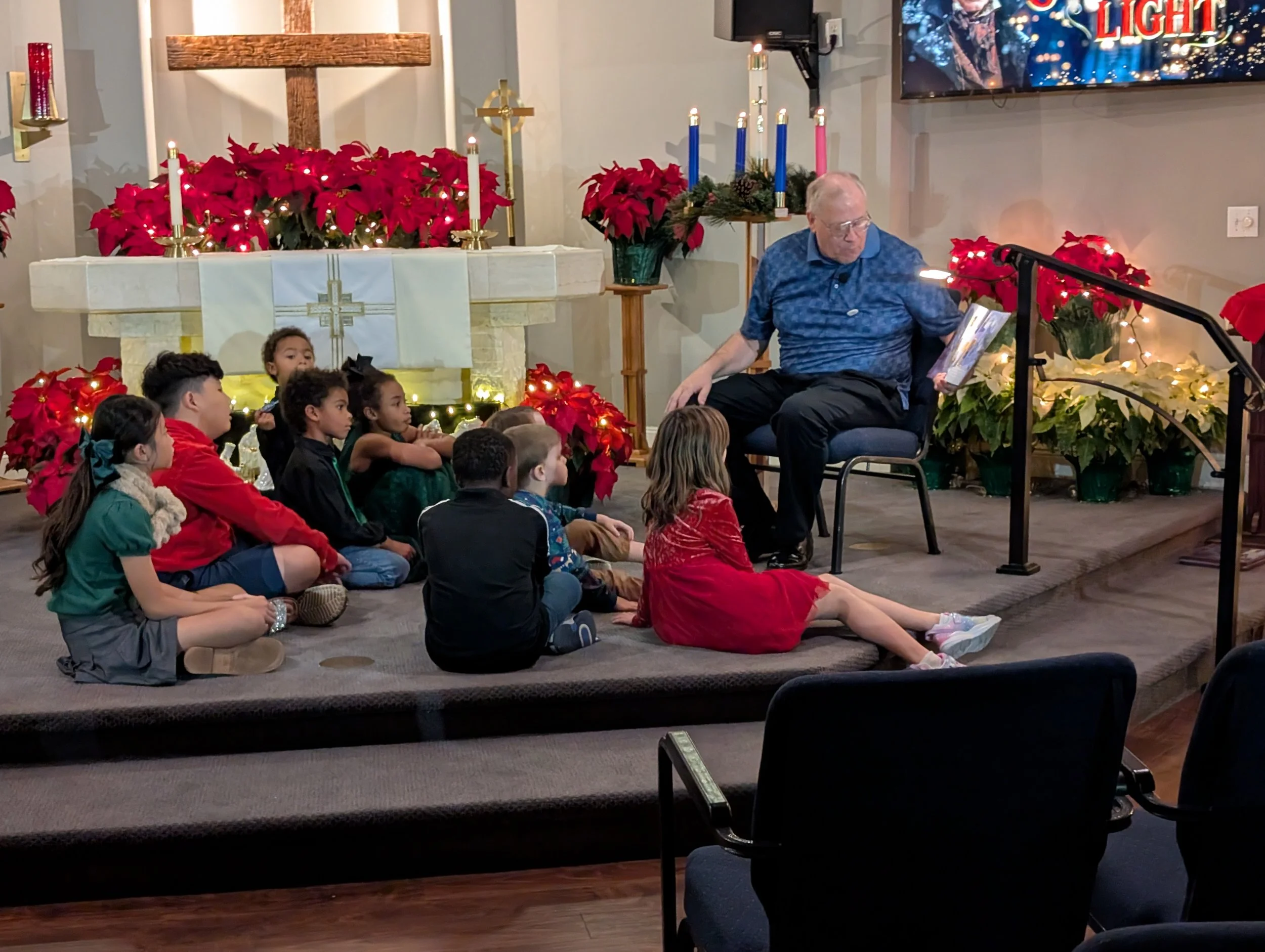
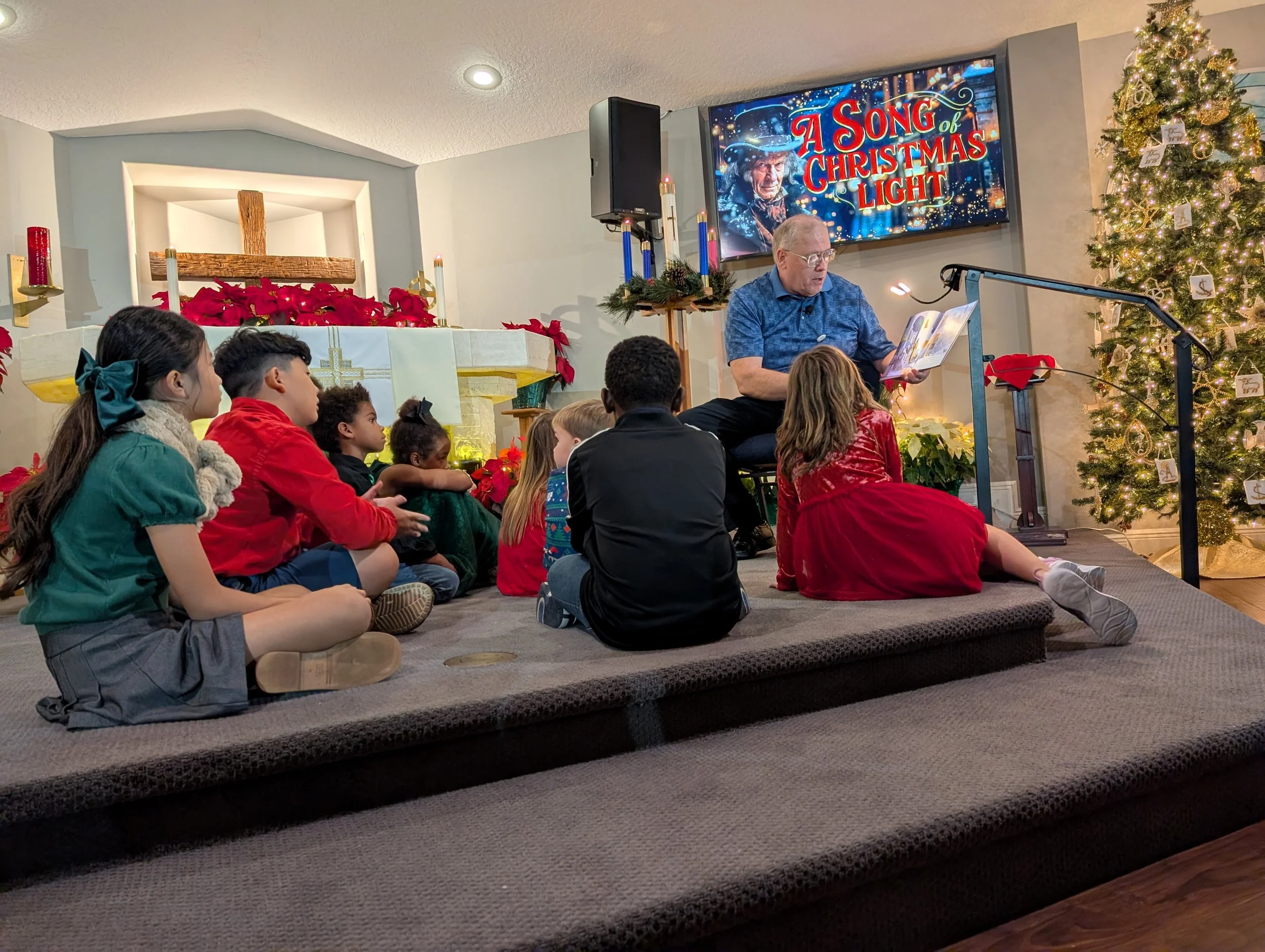
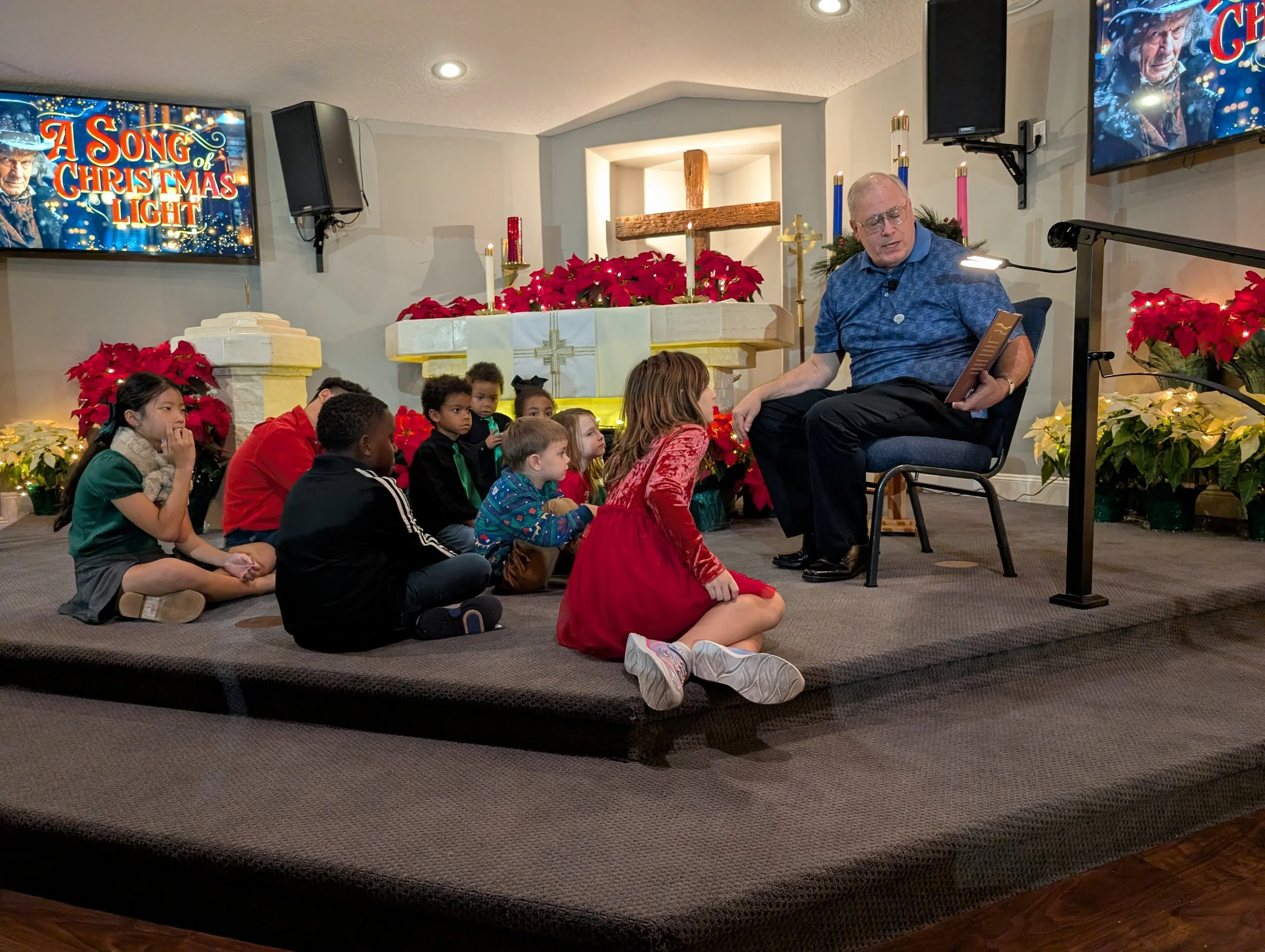
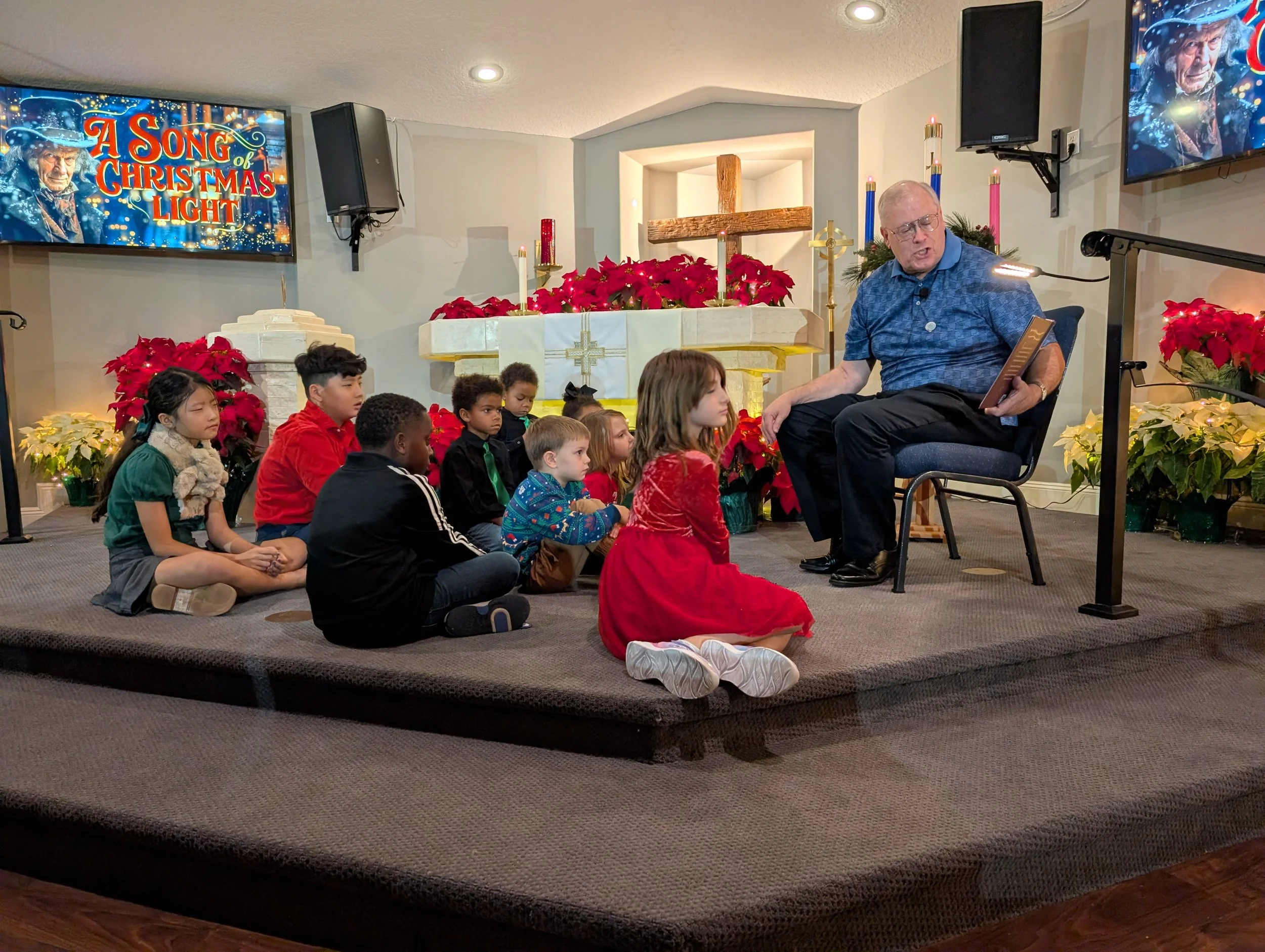
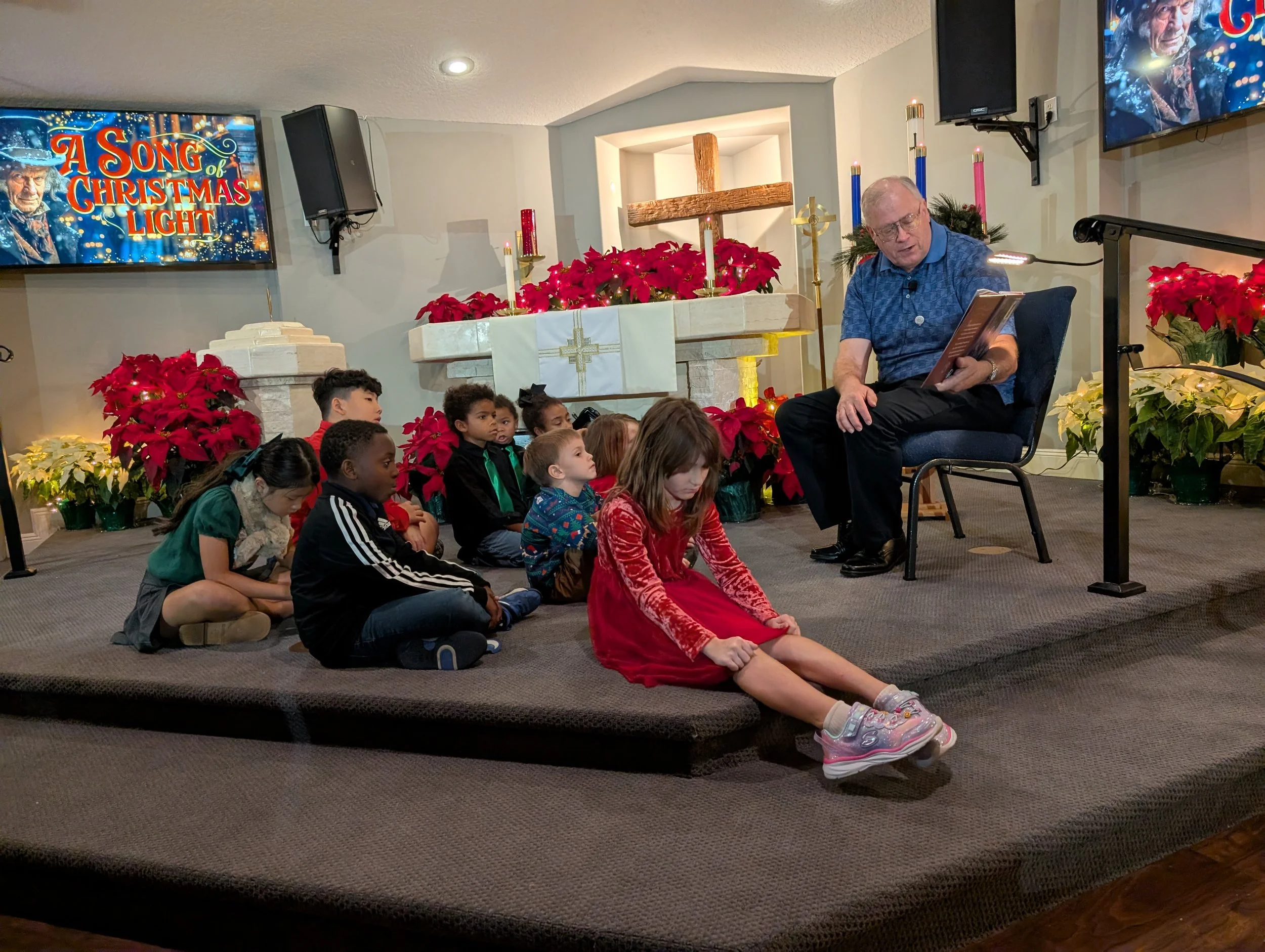
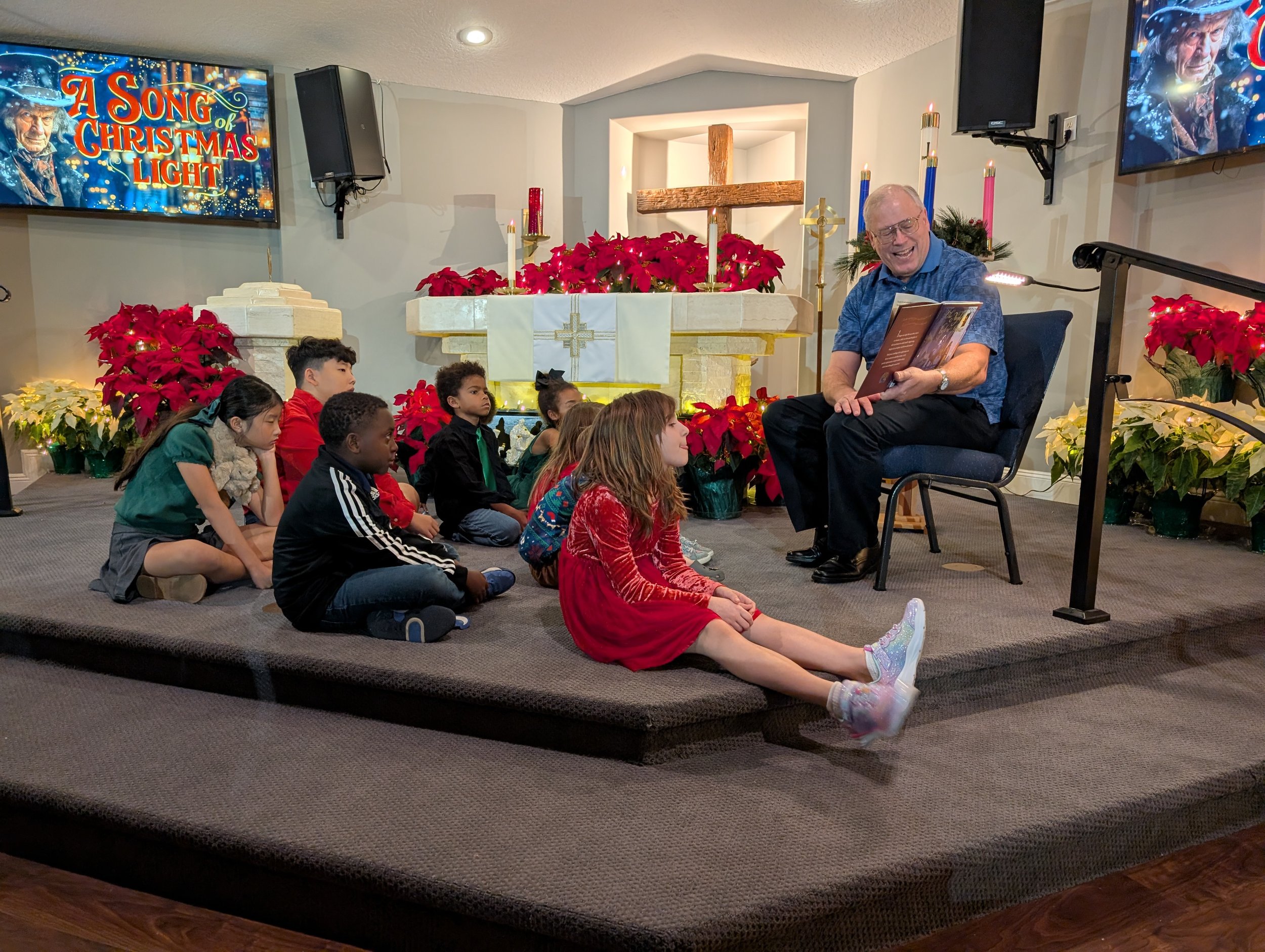
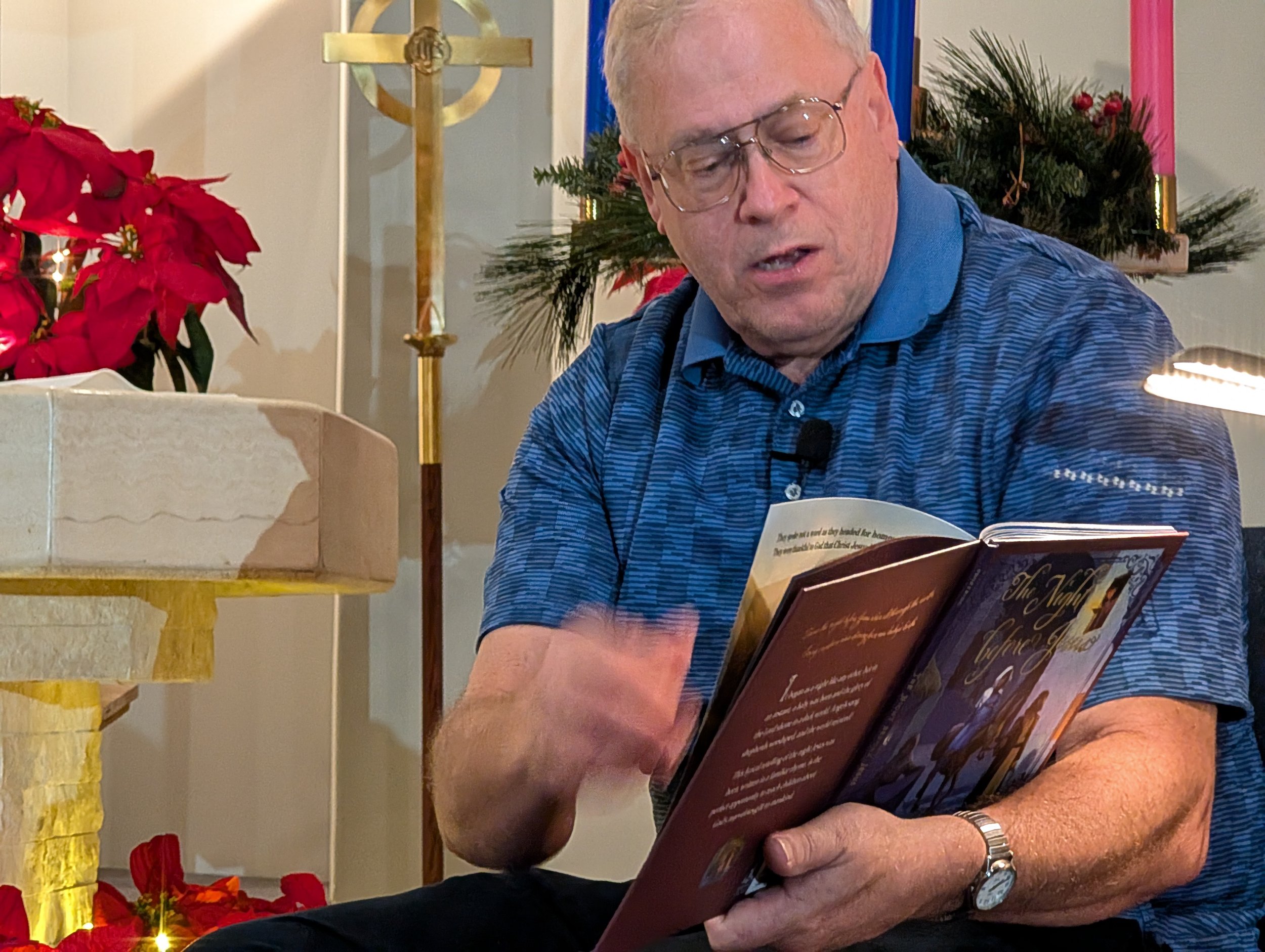
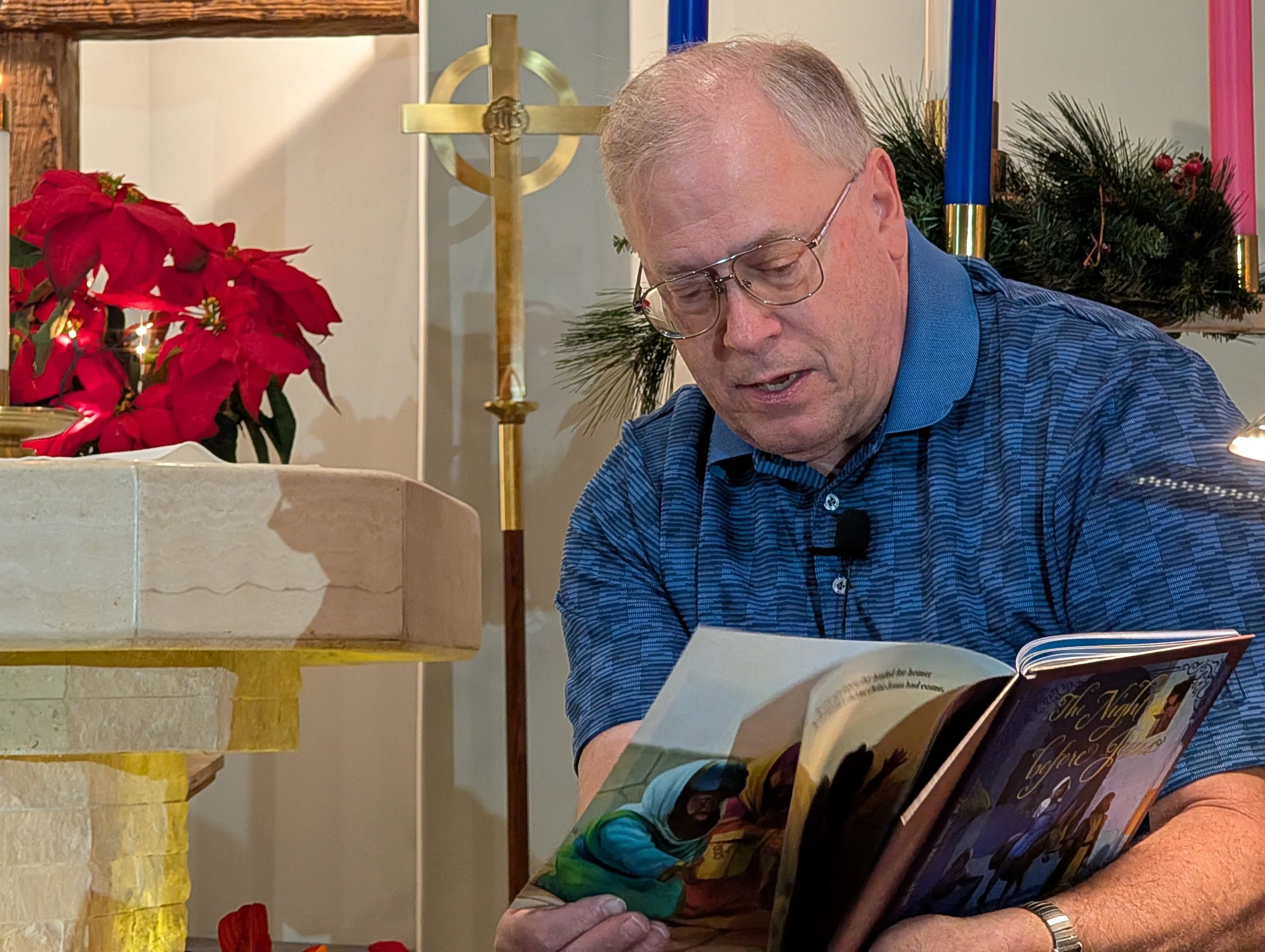
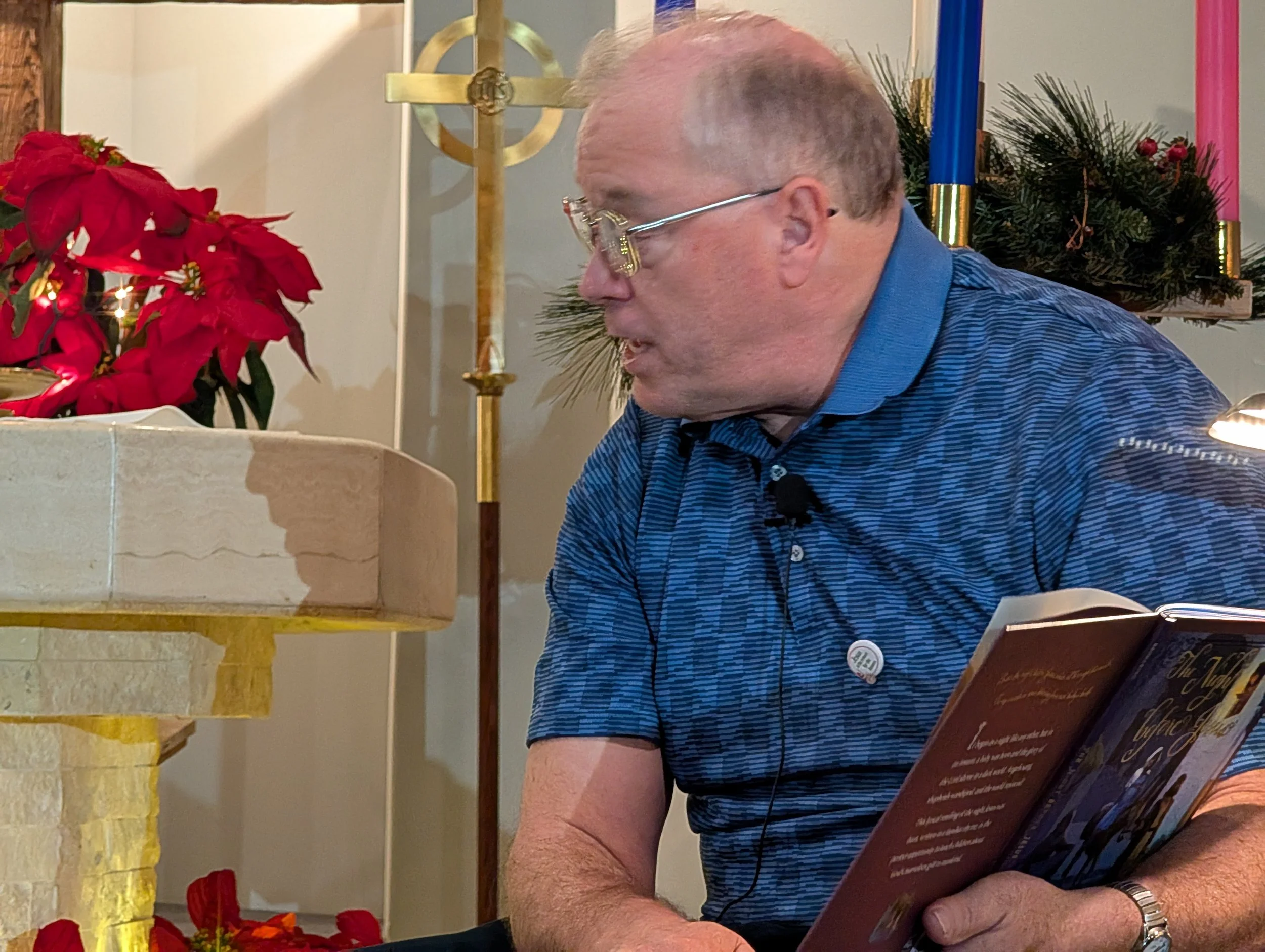
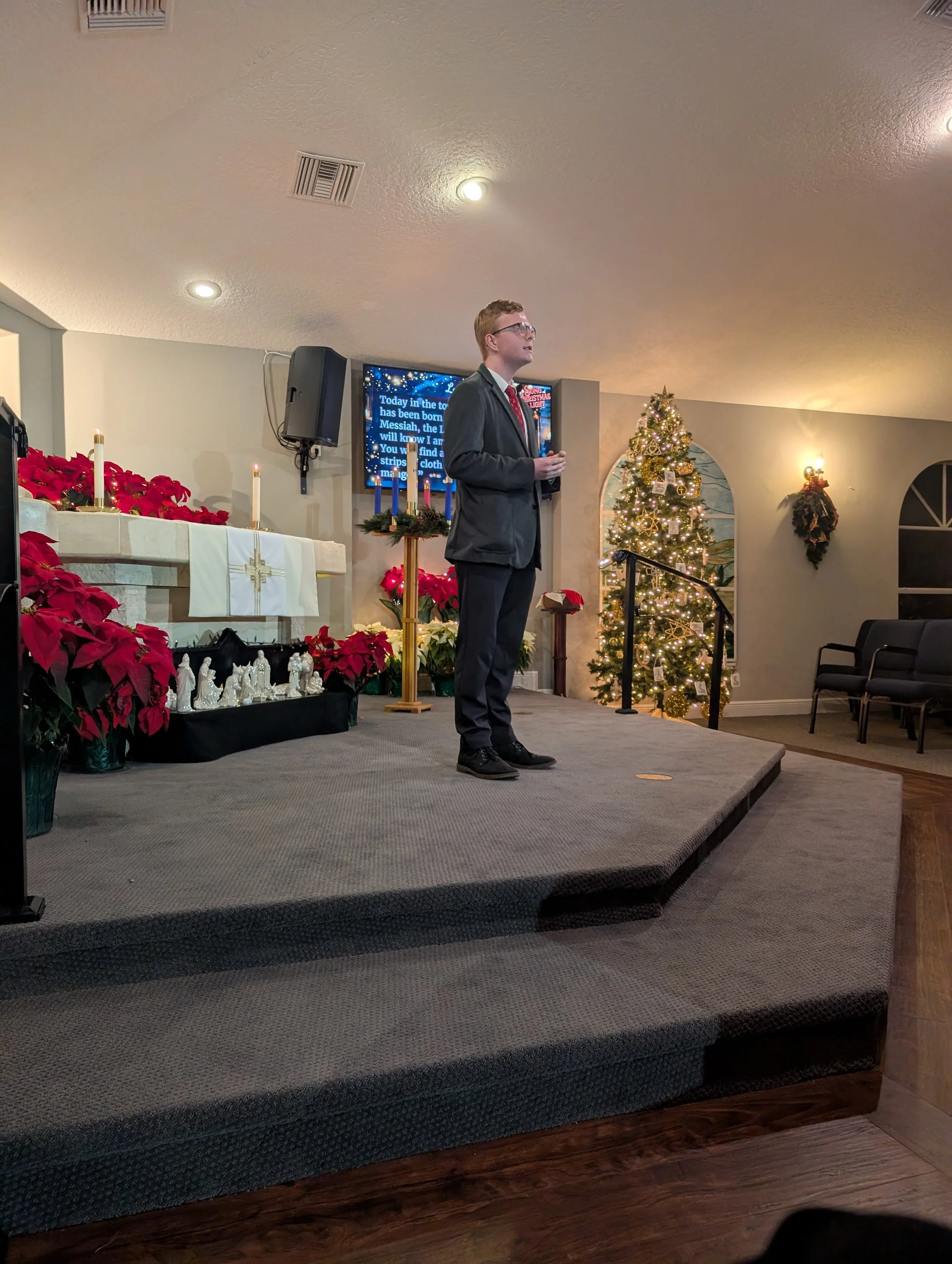
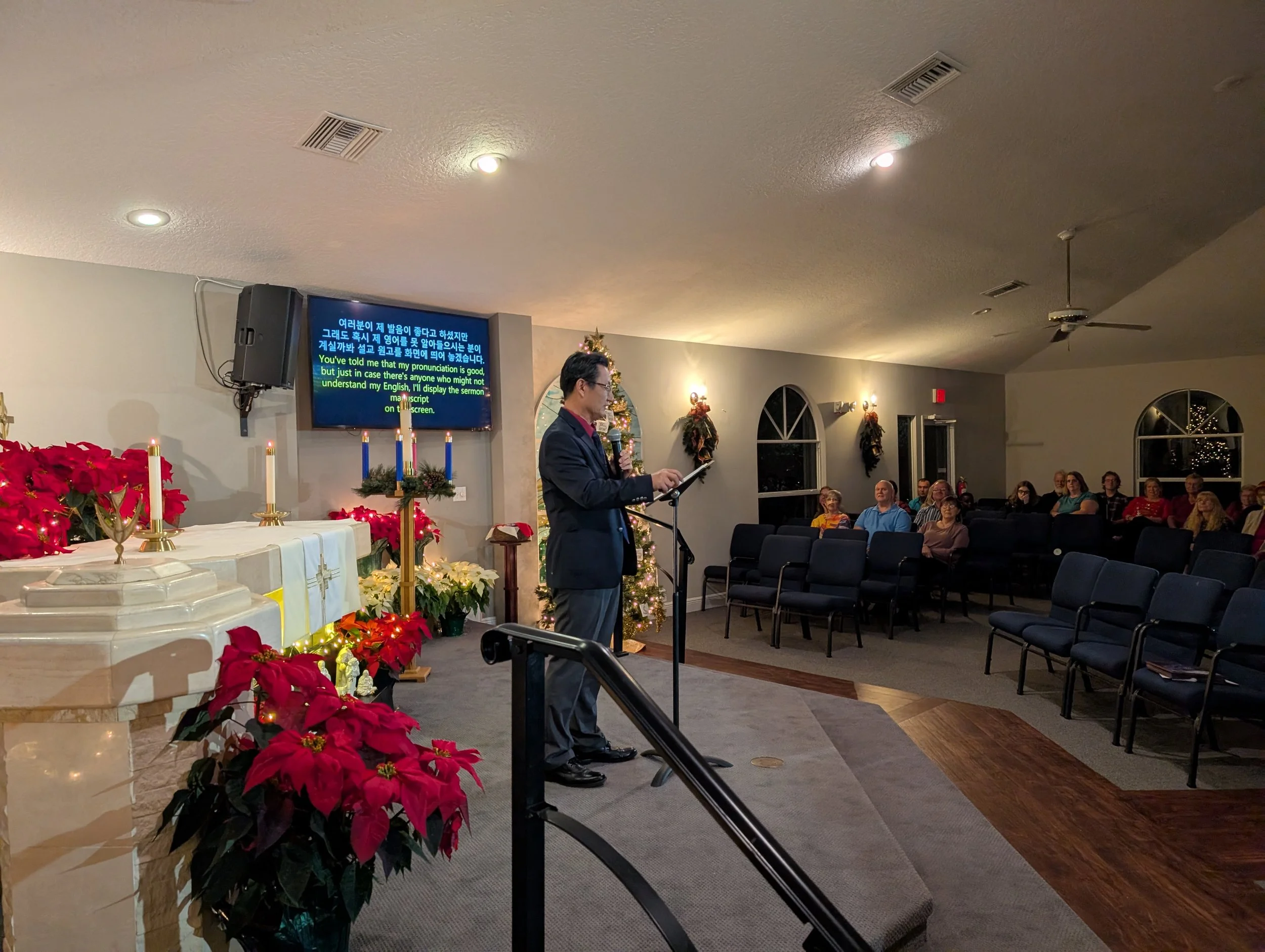
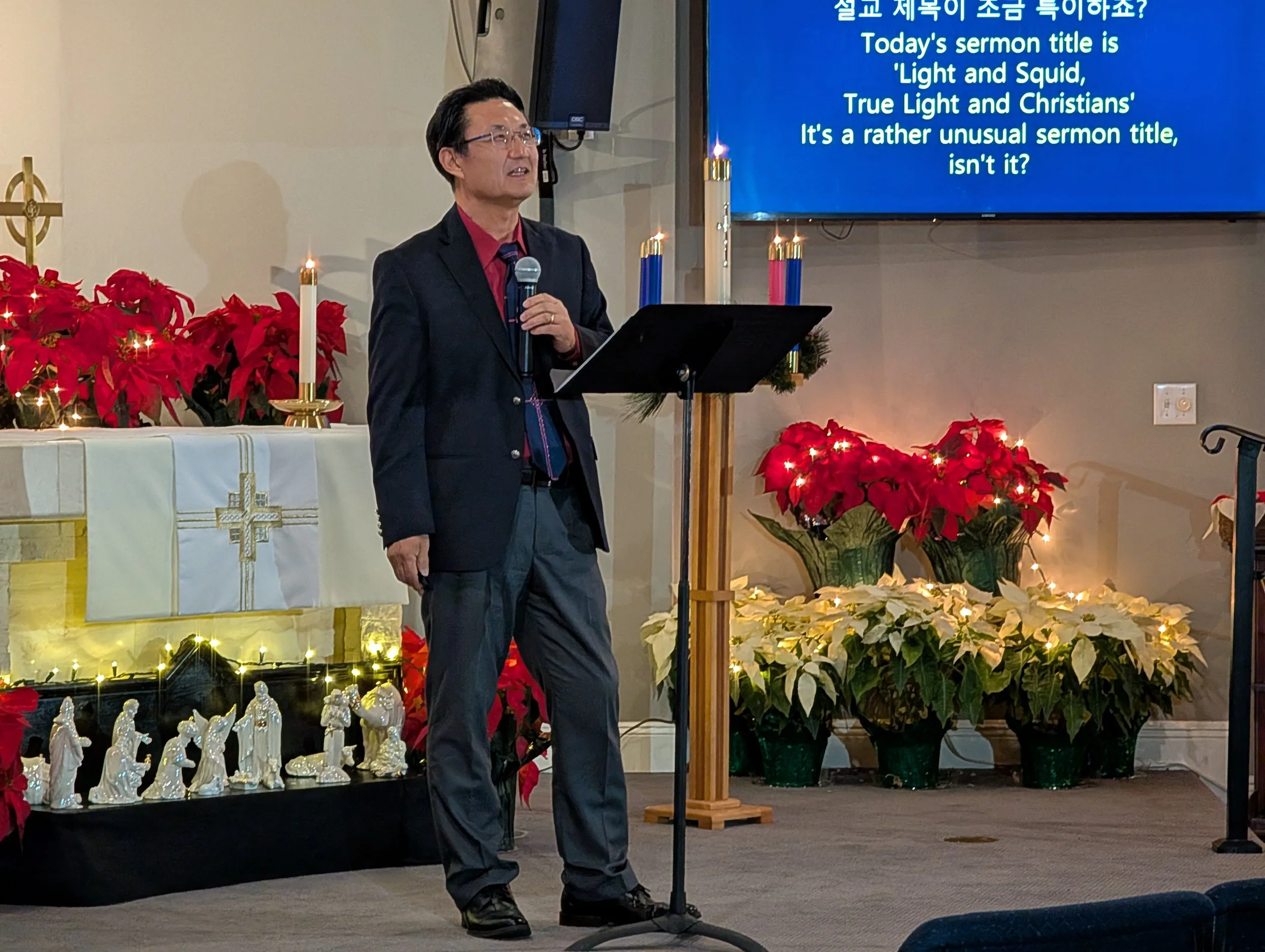
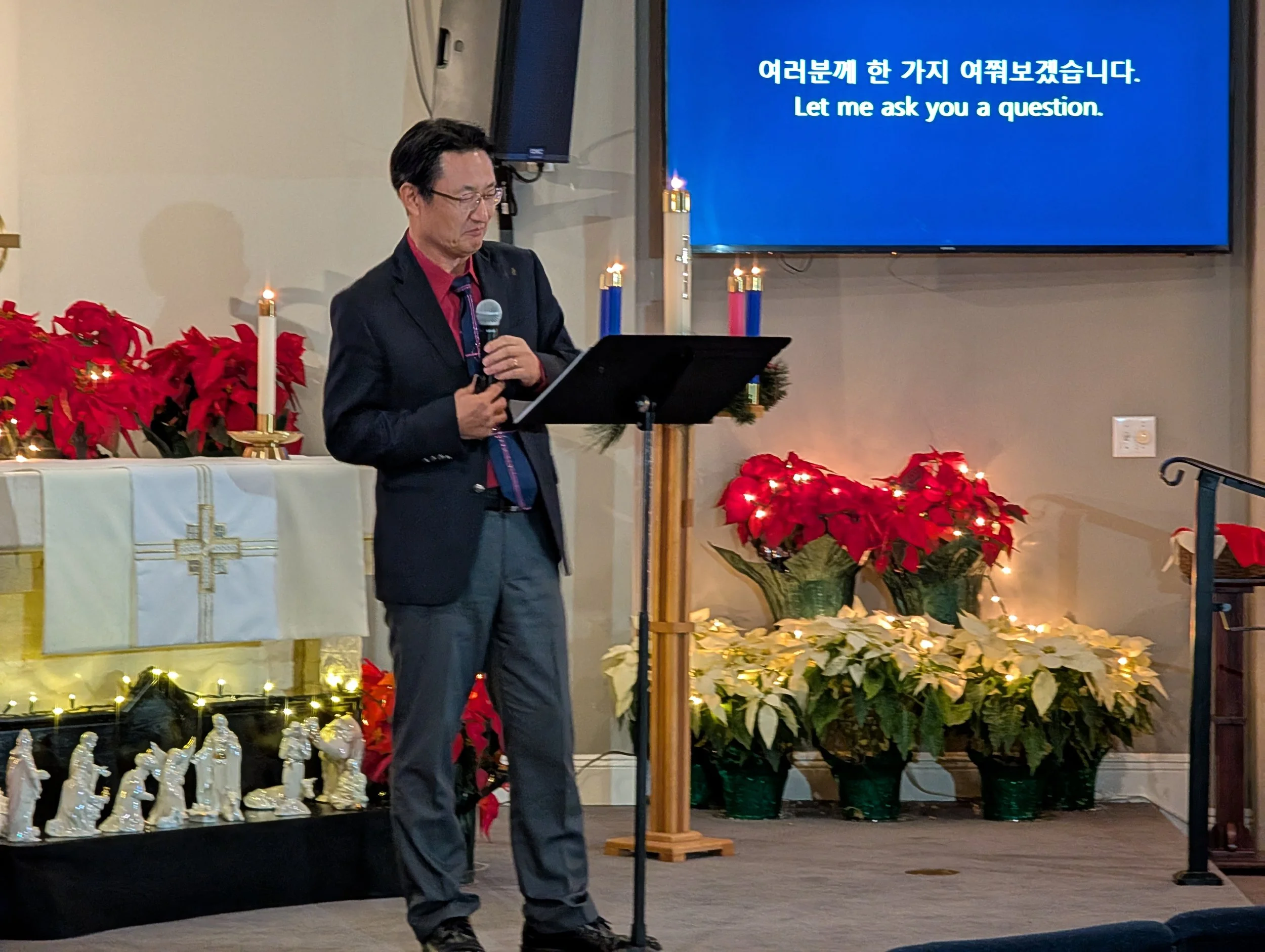
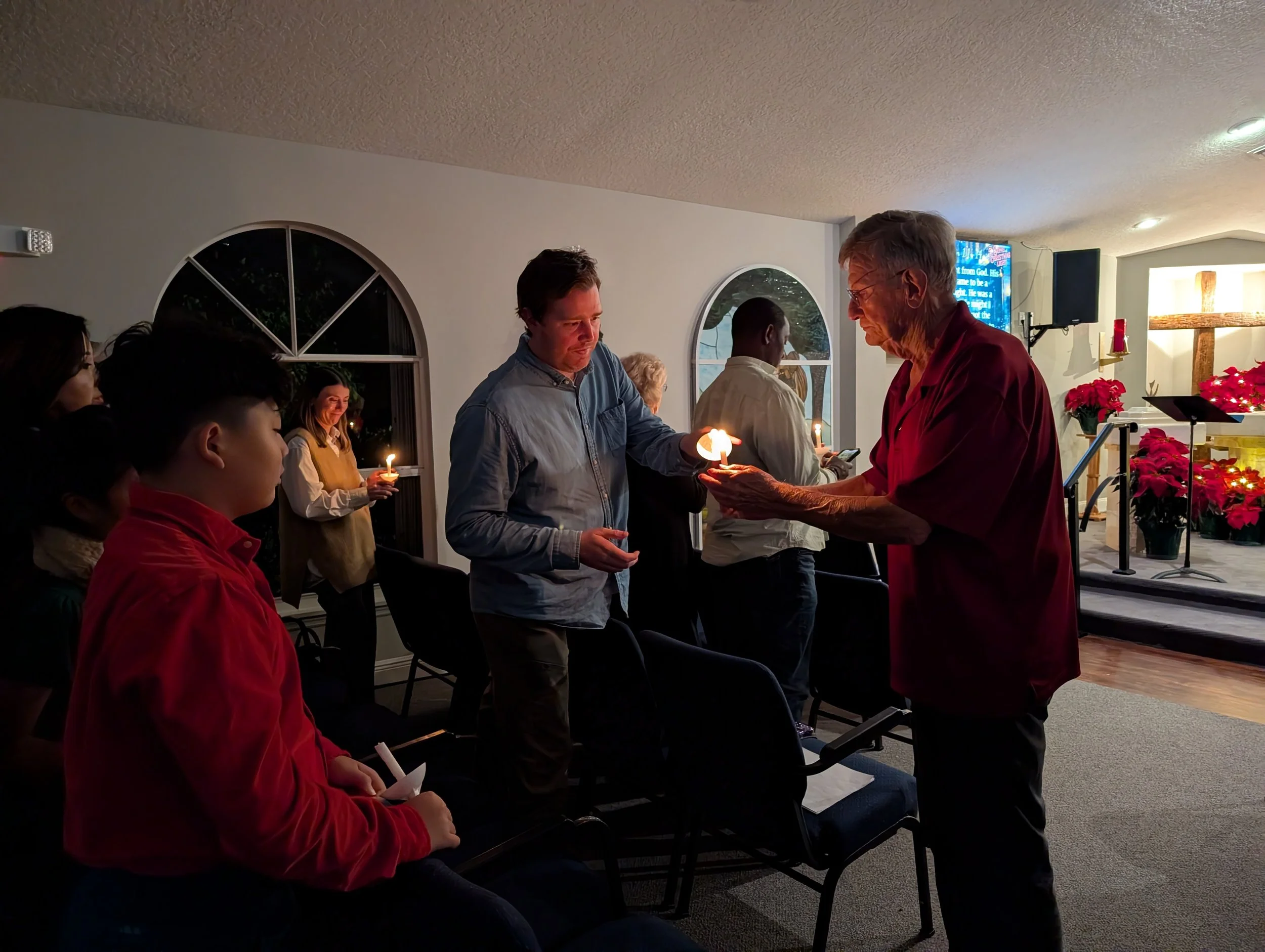
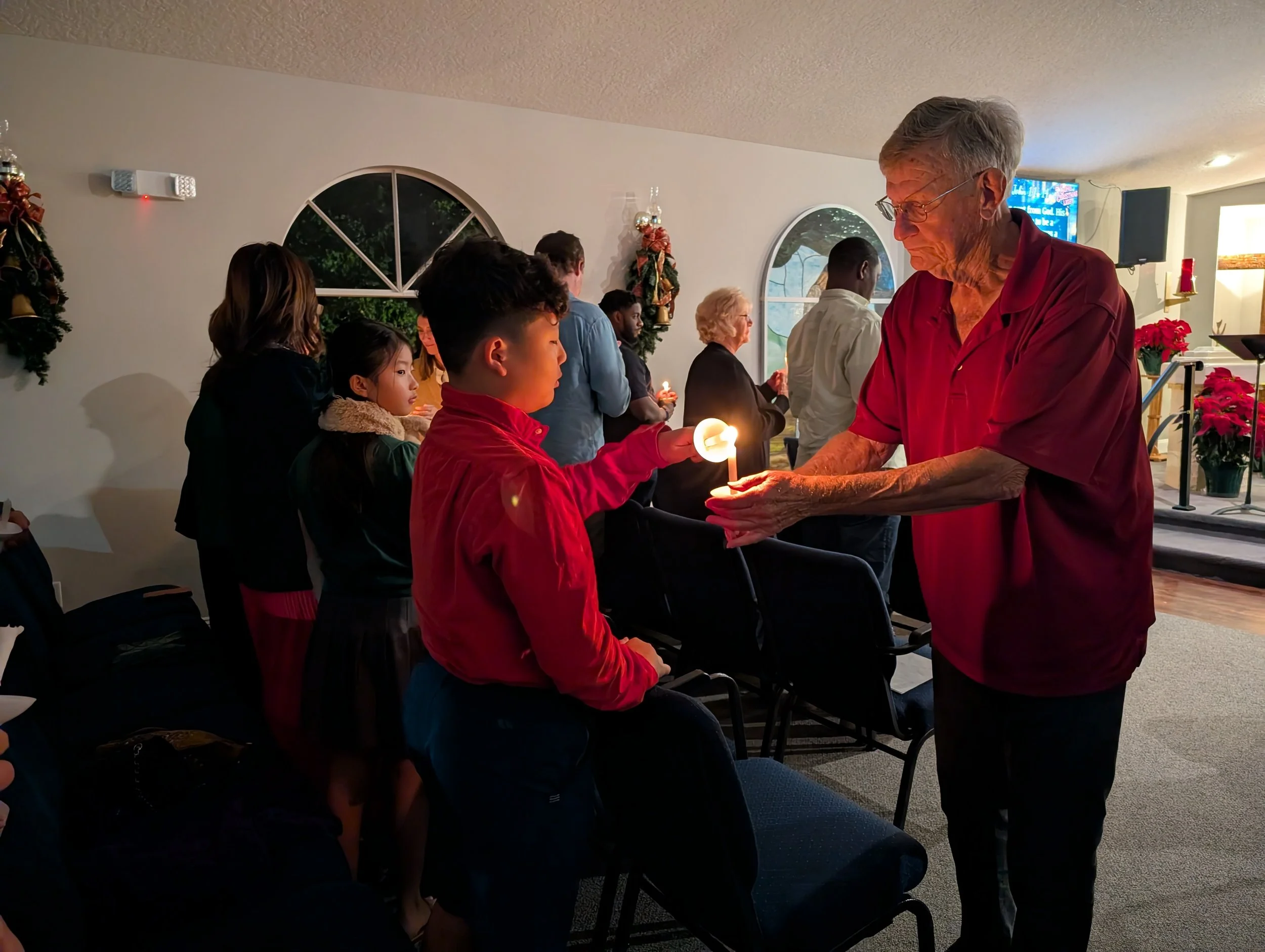
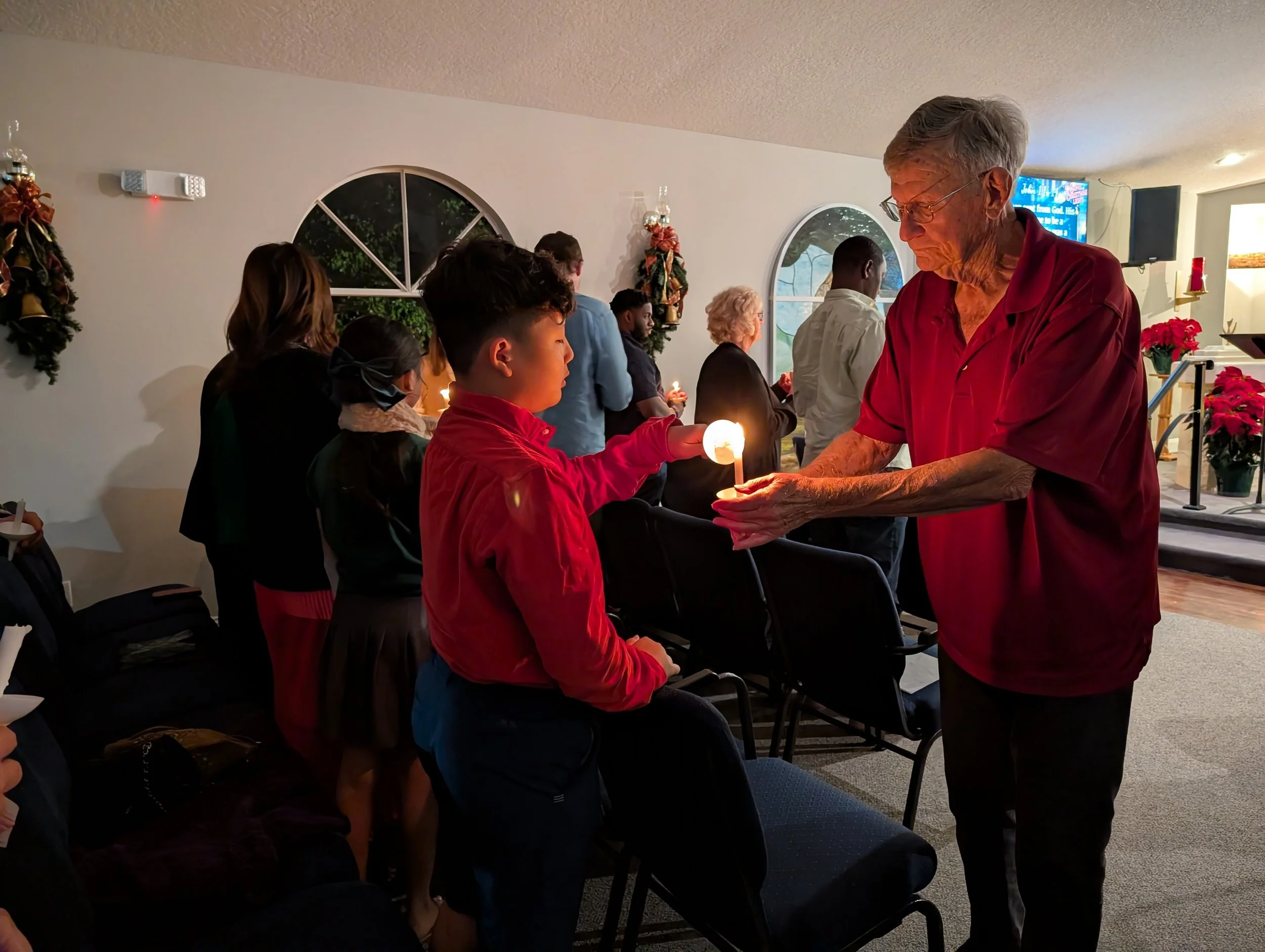
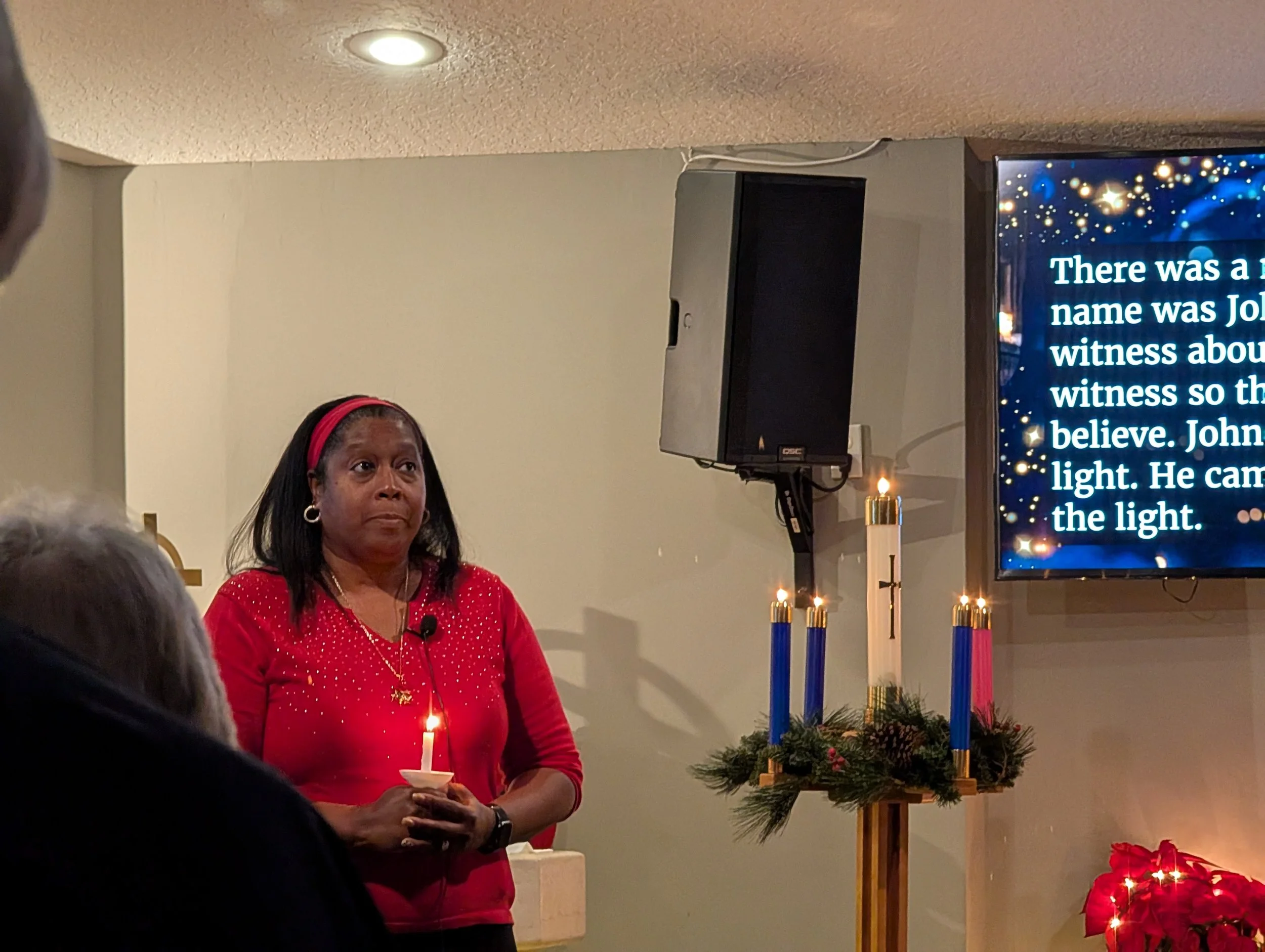
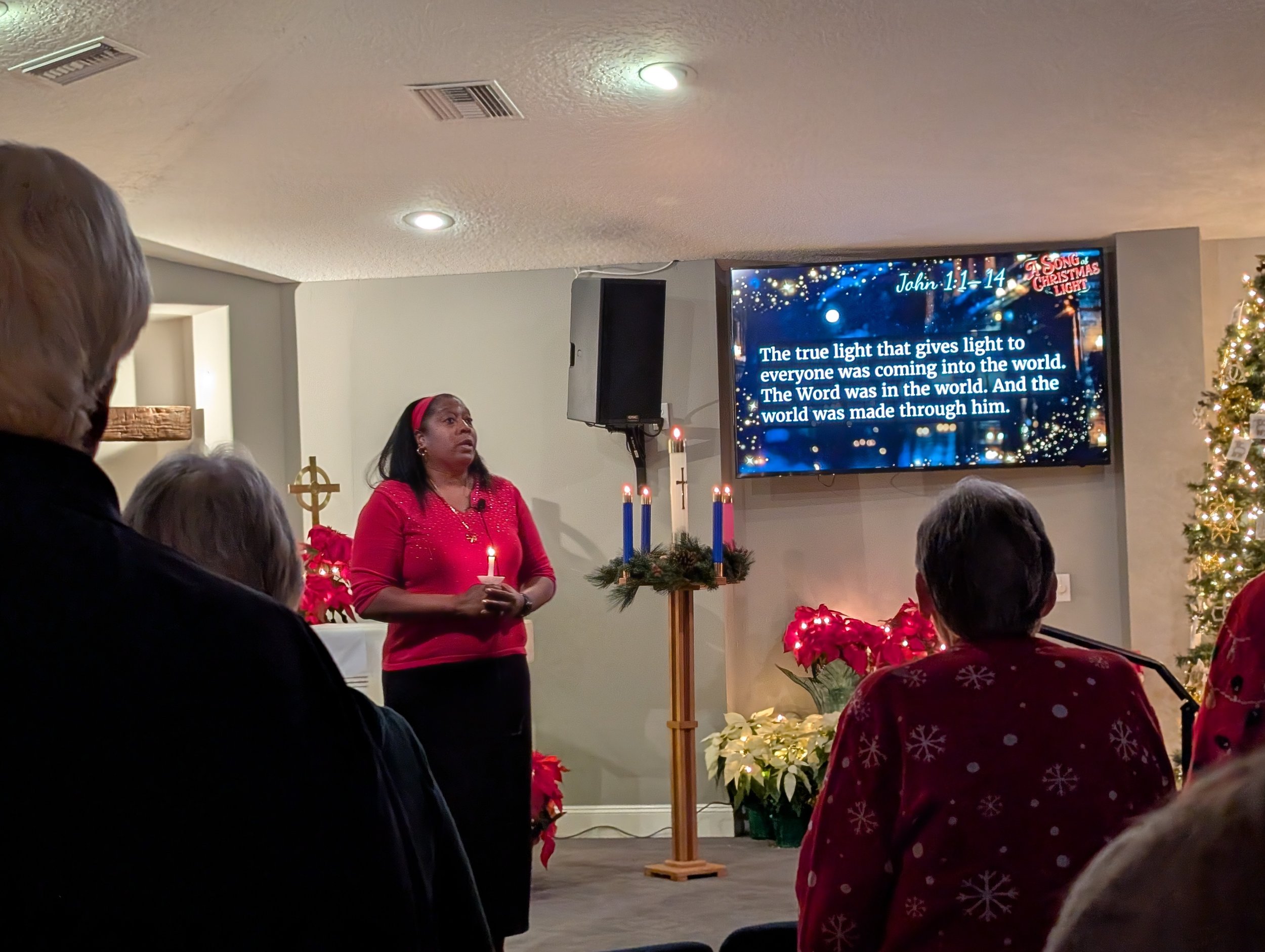
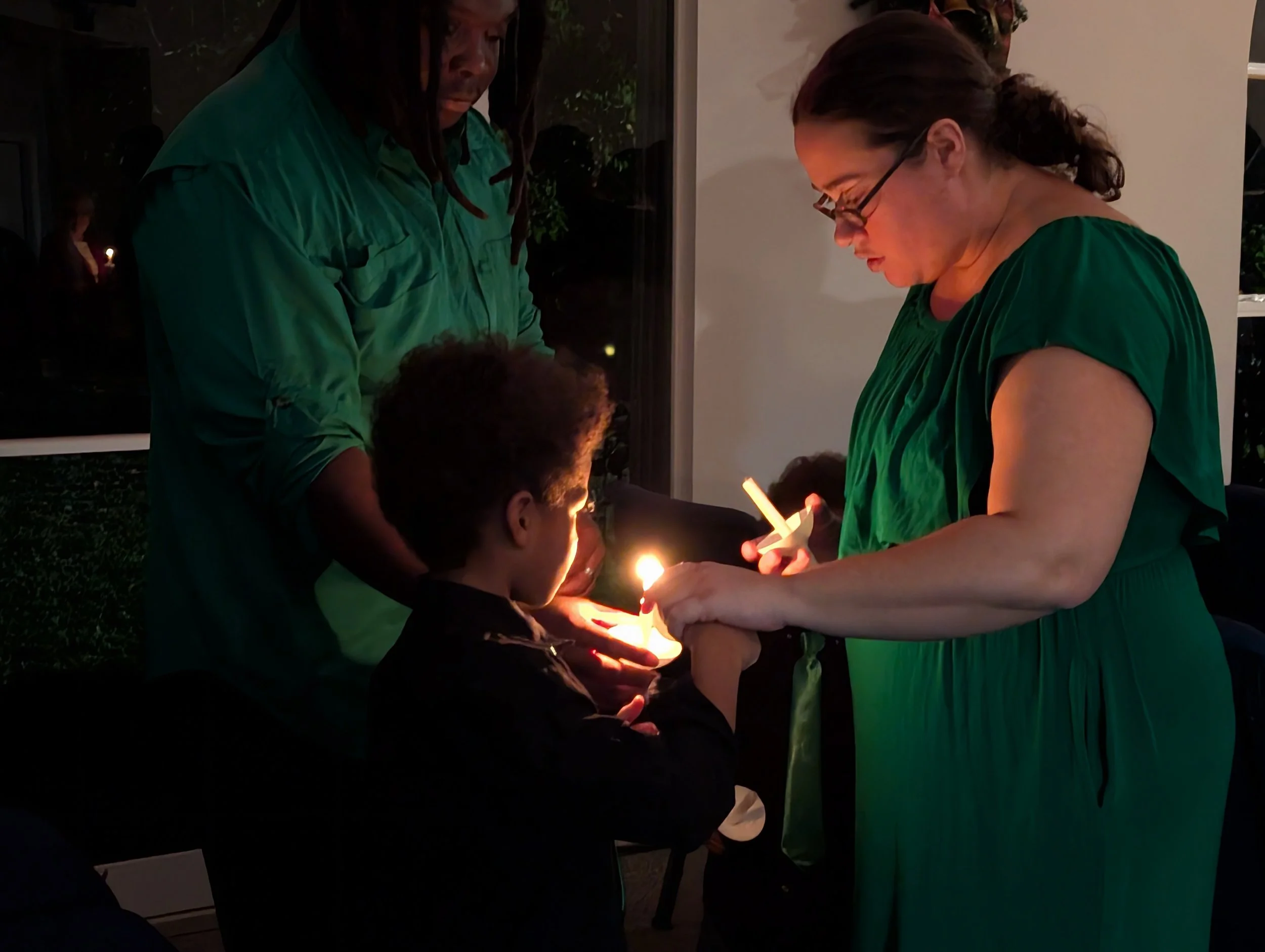
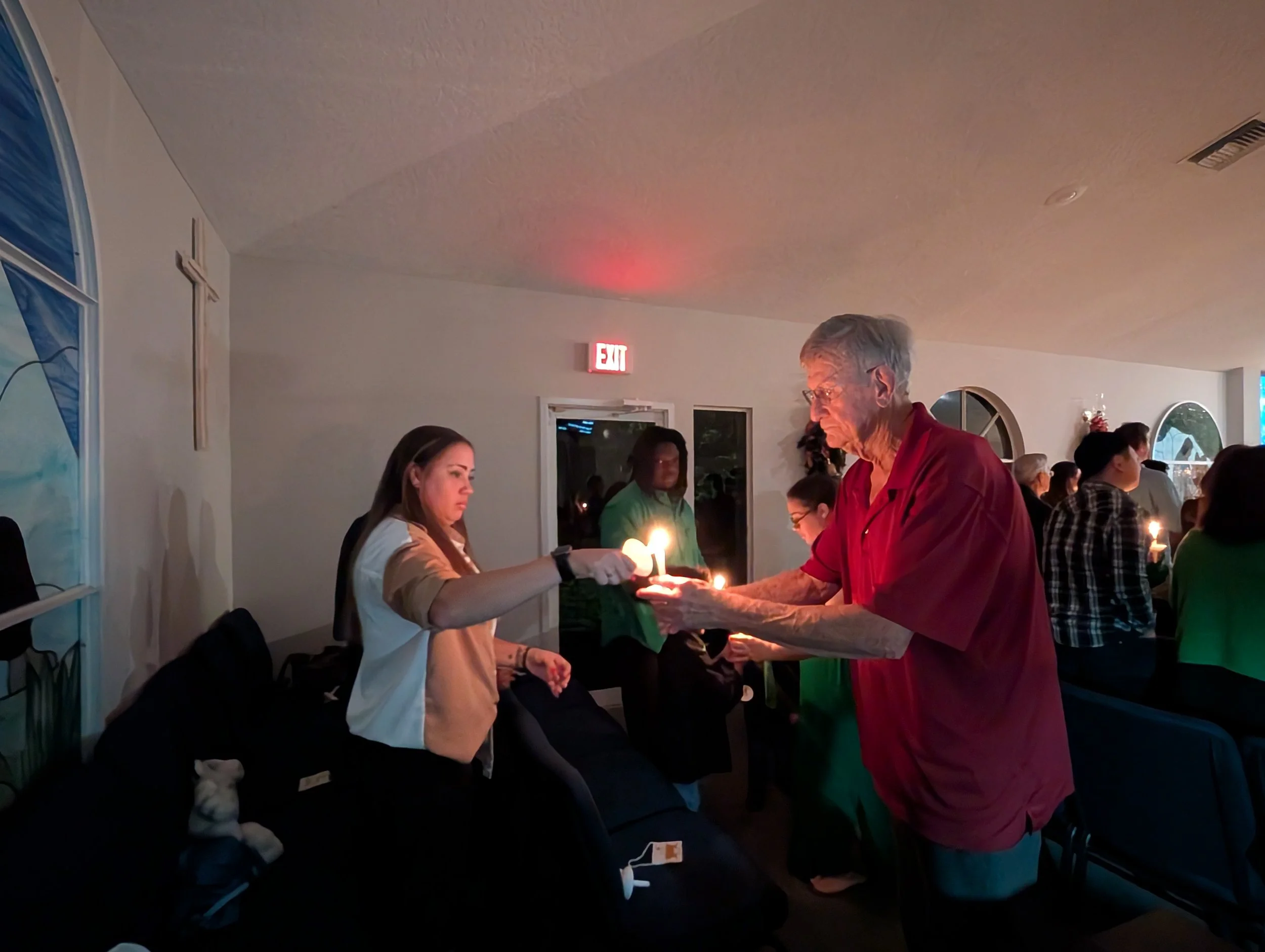
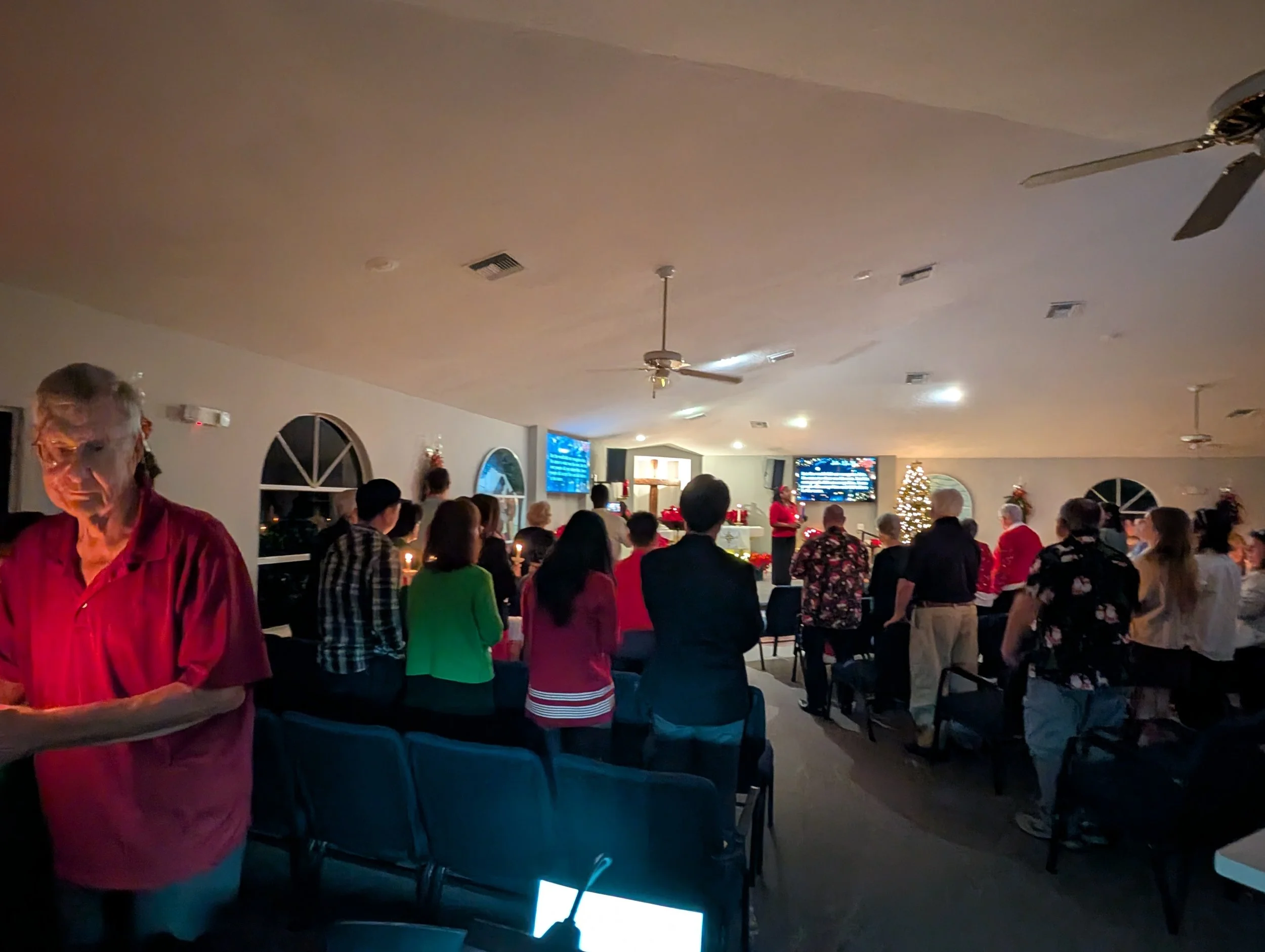
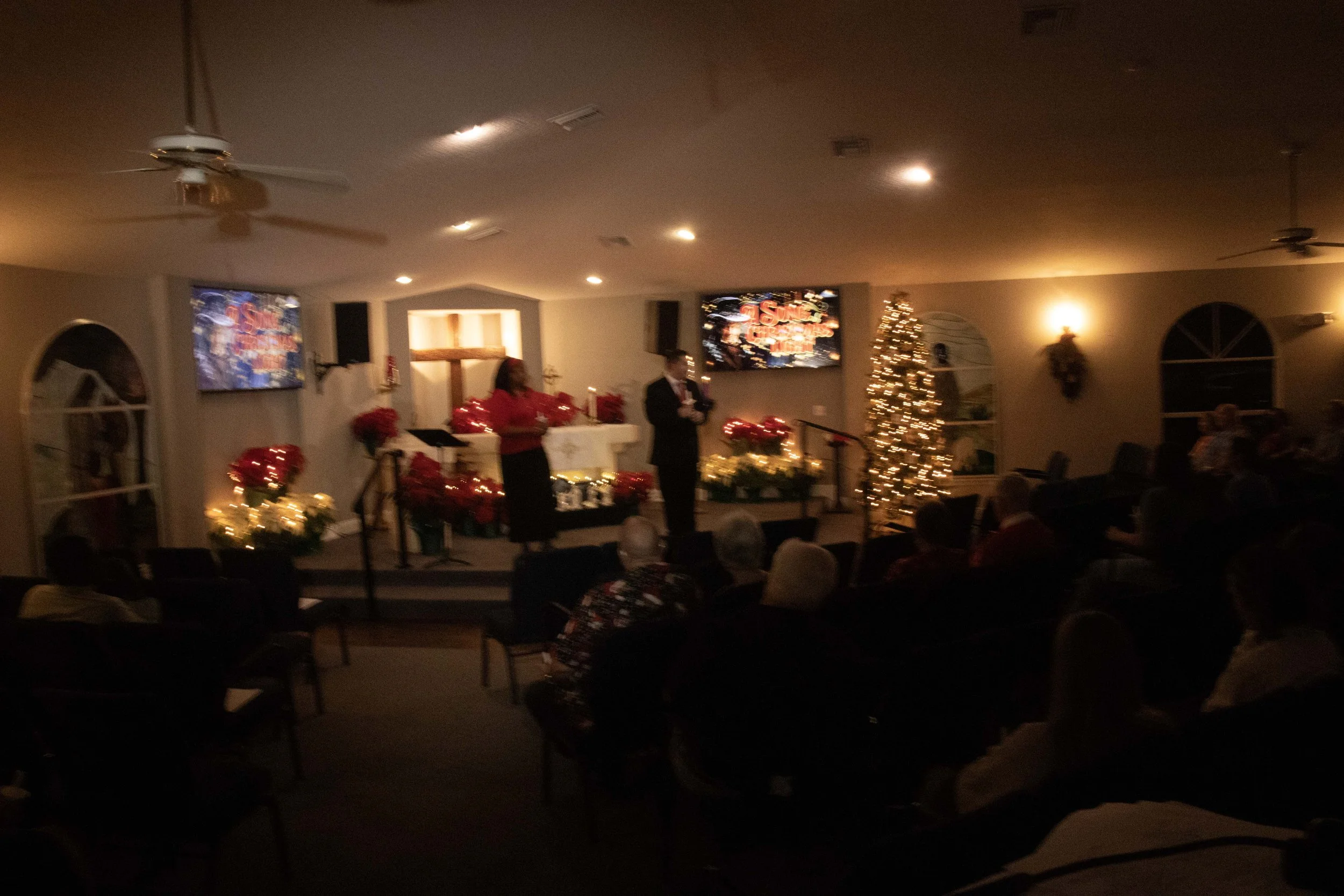
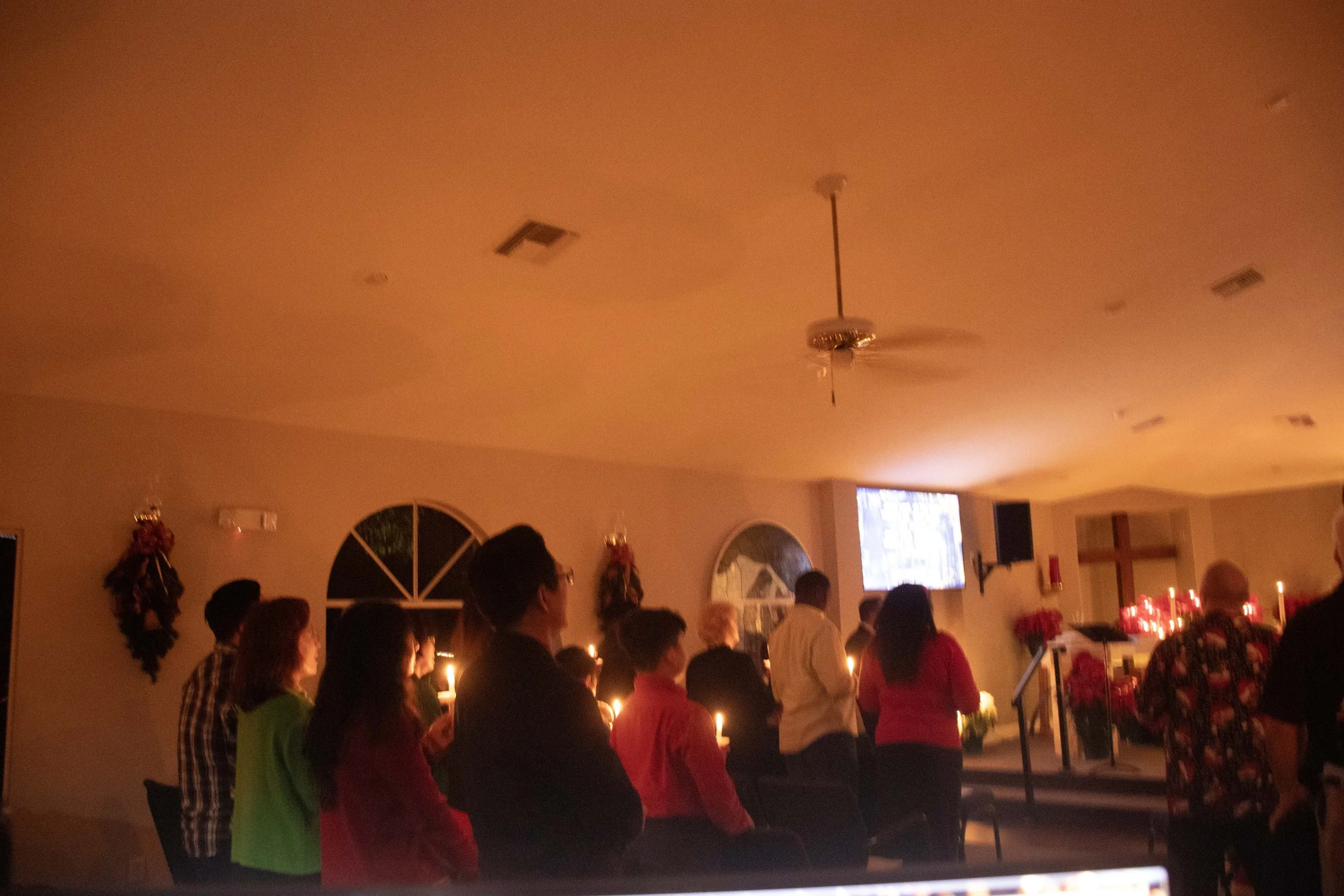
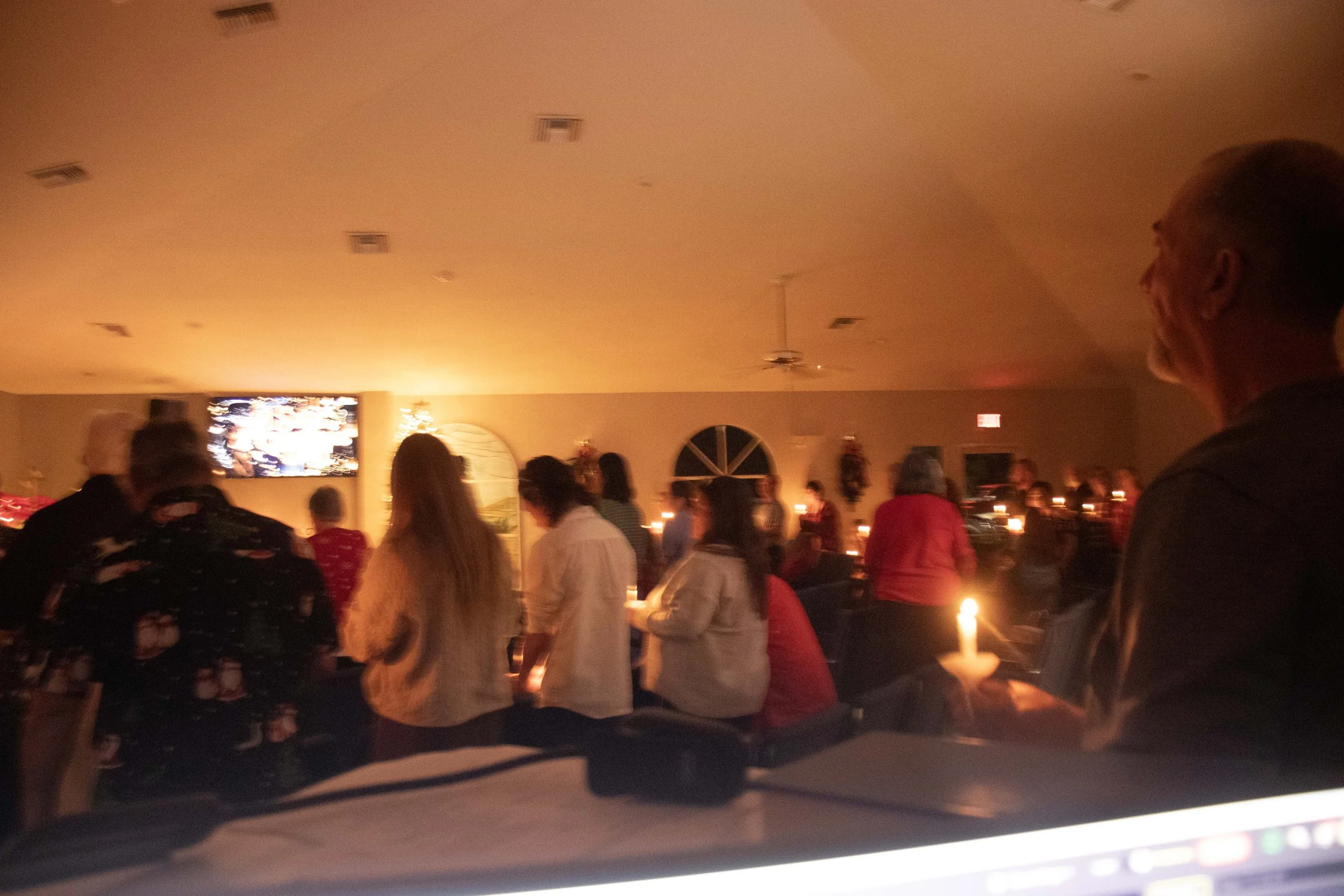
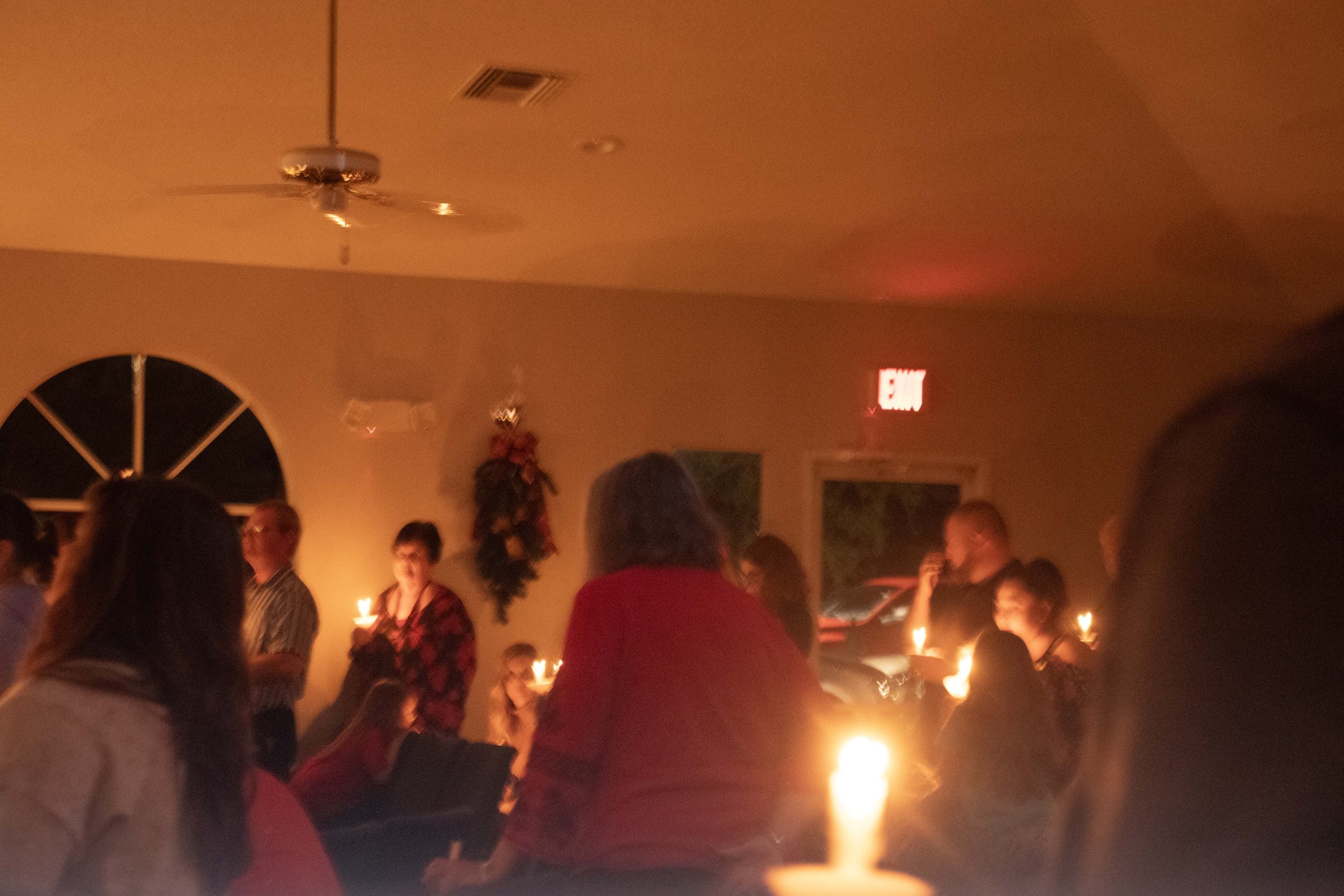
![Christmas Eve 2025 [Photos]](https://images.squarespace-cdn.com/content/v1/5852f18a20099e30cd2c01dc/1766636596066-PCWQTYYY2FFHOGAYNJ1S/PXL_20251224_213833482.jpg)
Christmas Eve 2025 [Photos]
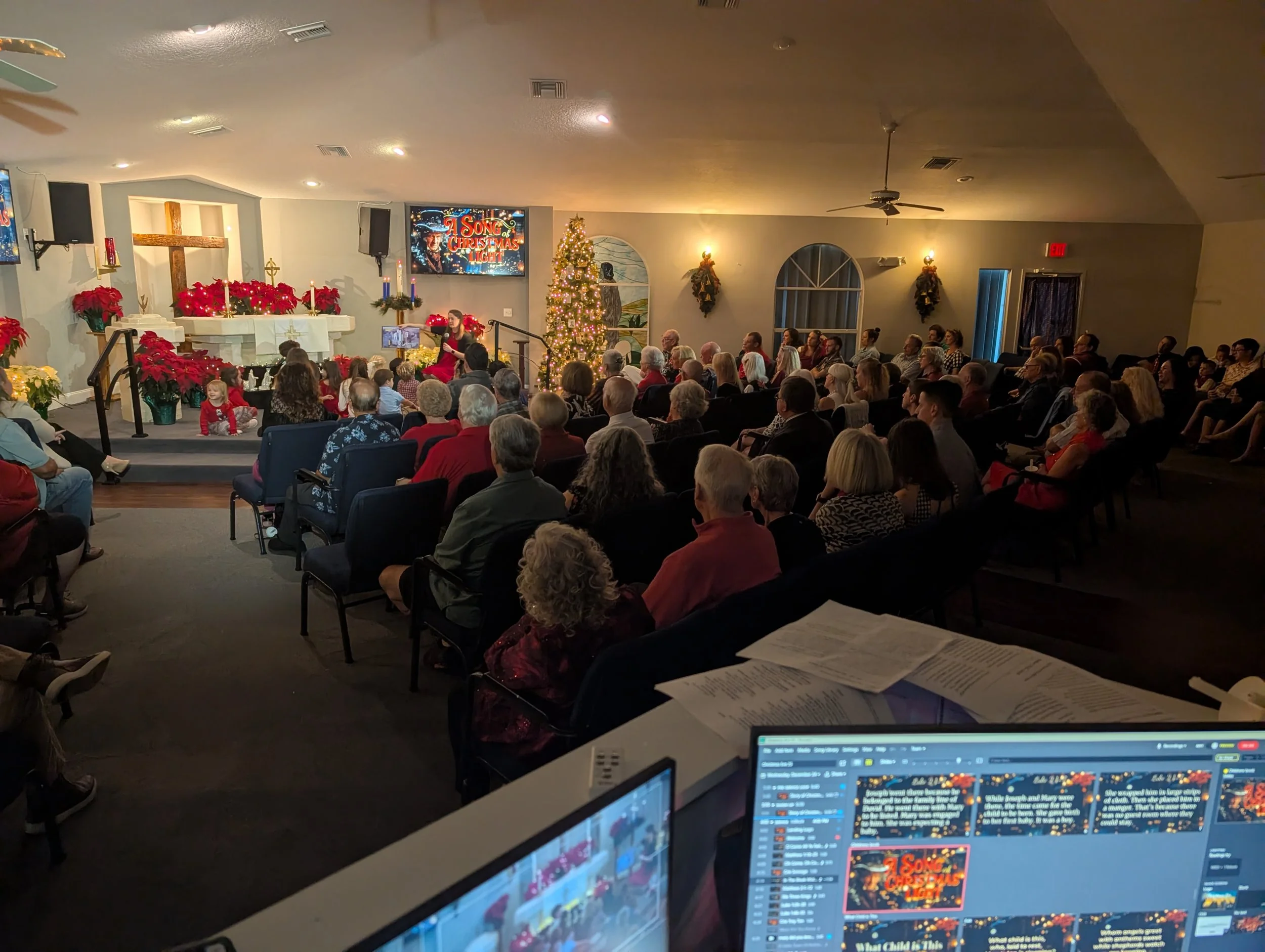
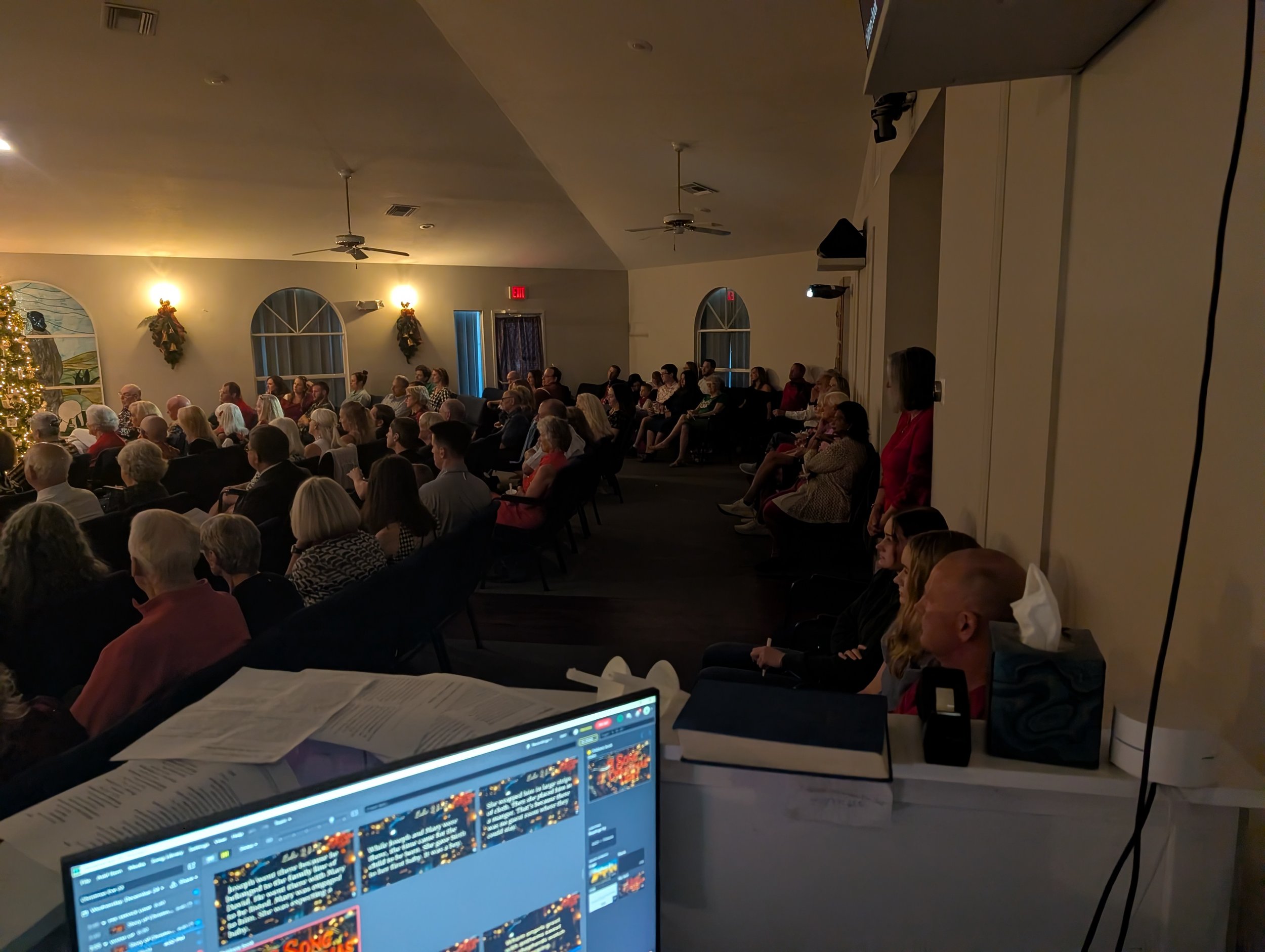
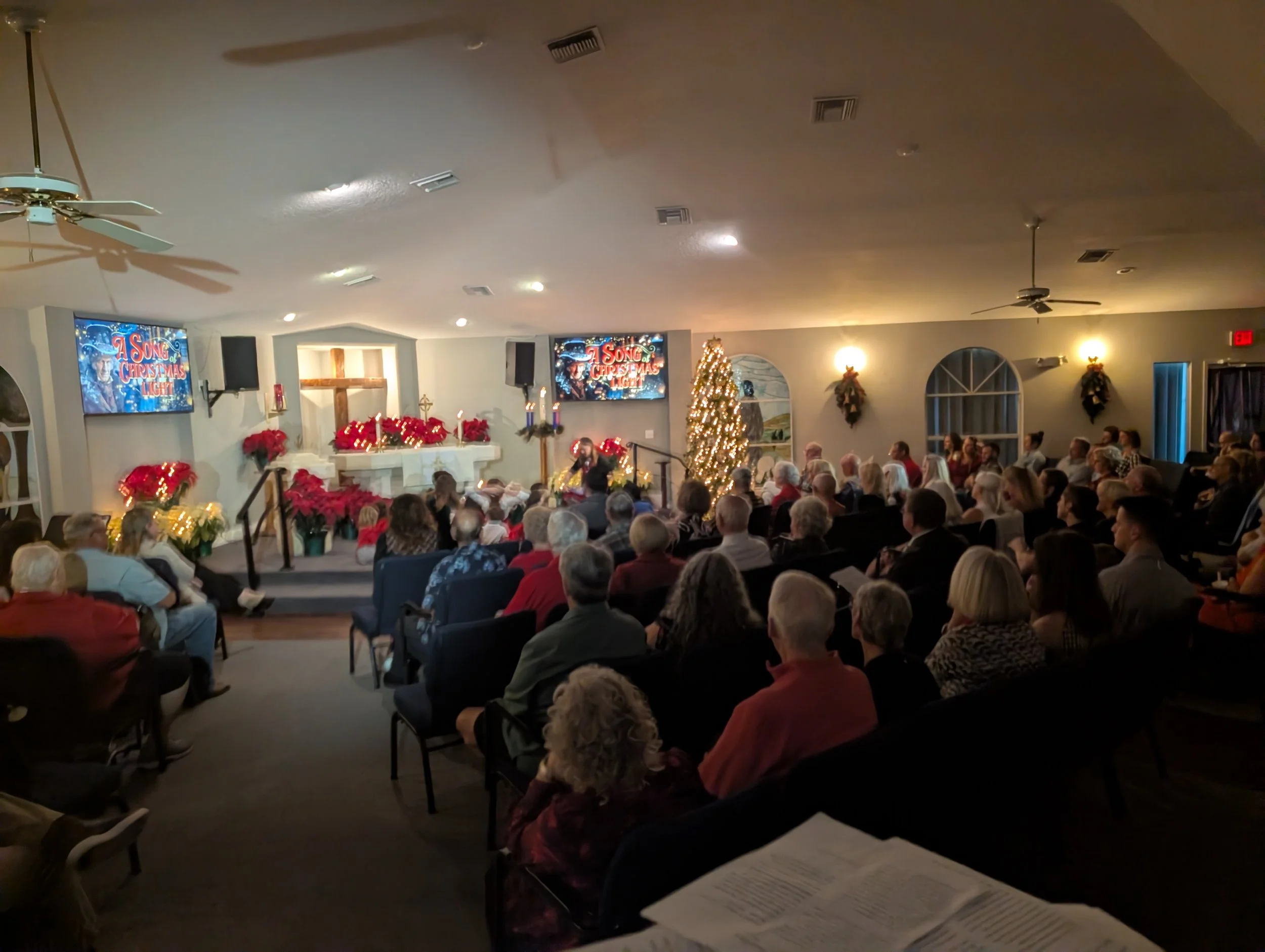
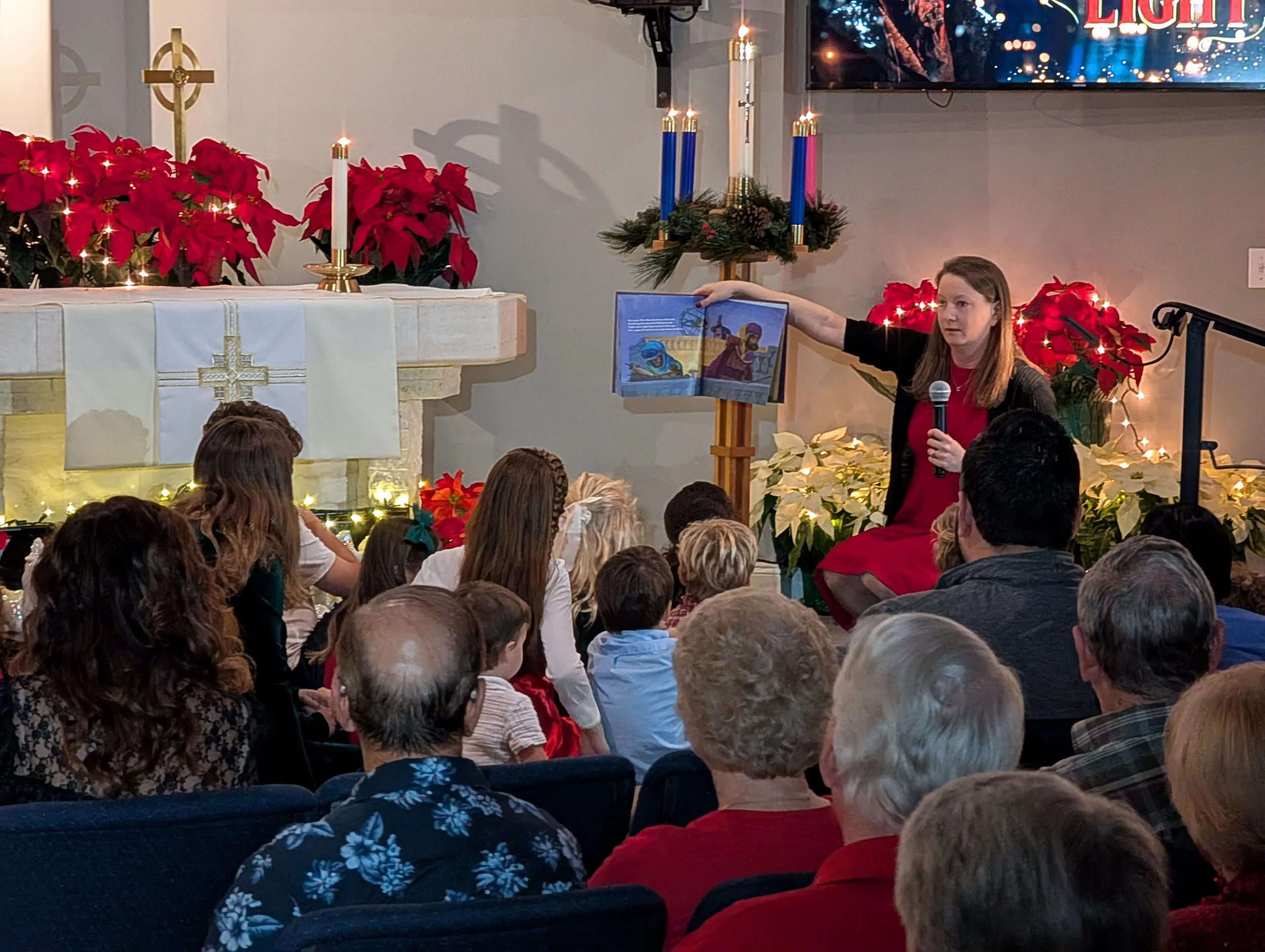
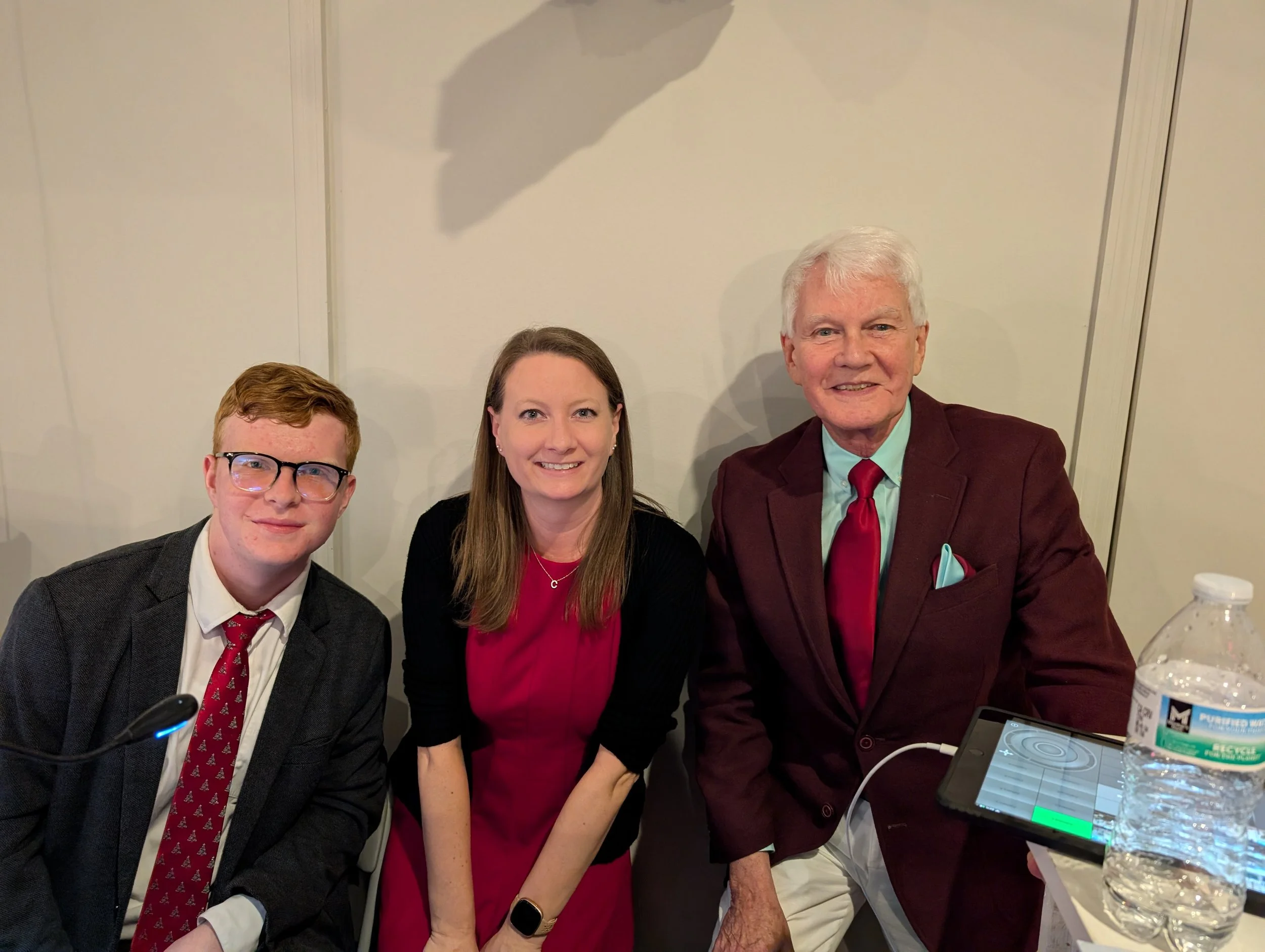
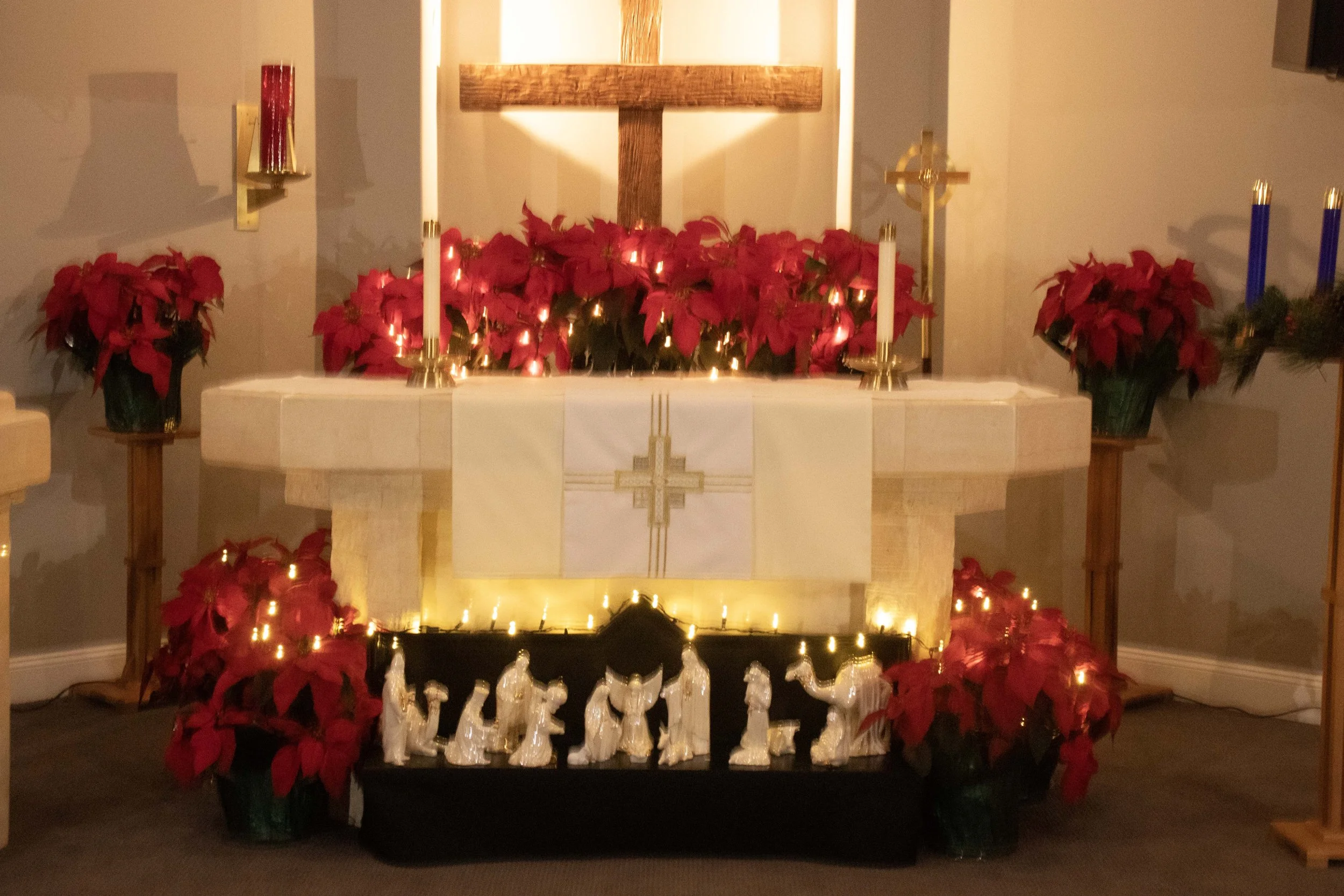
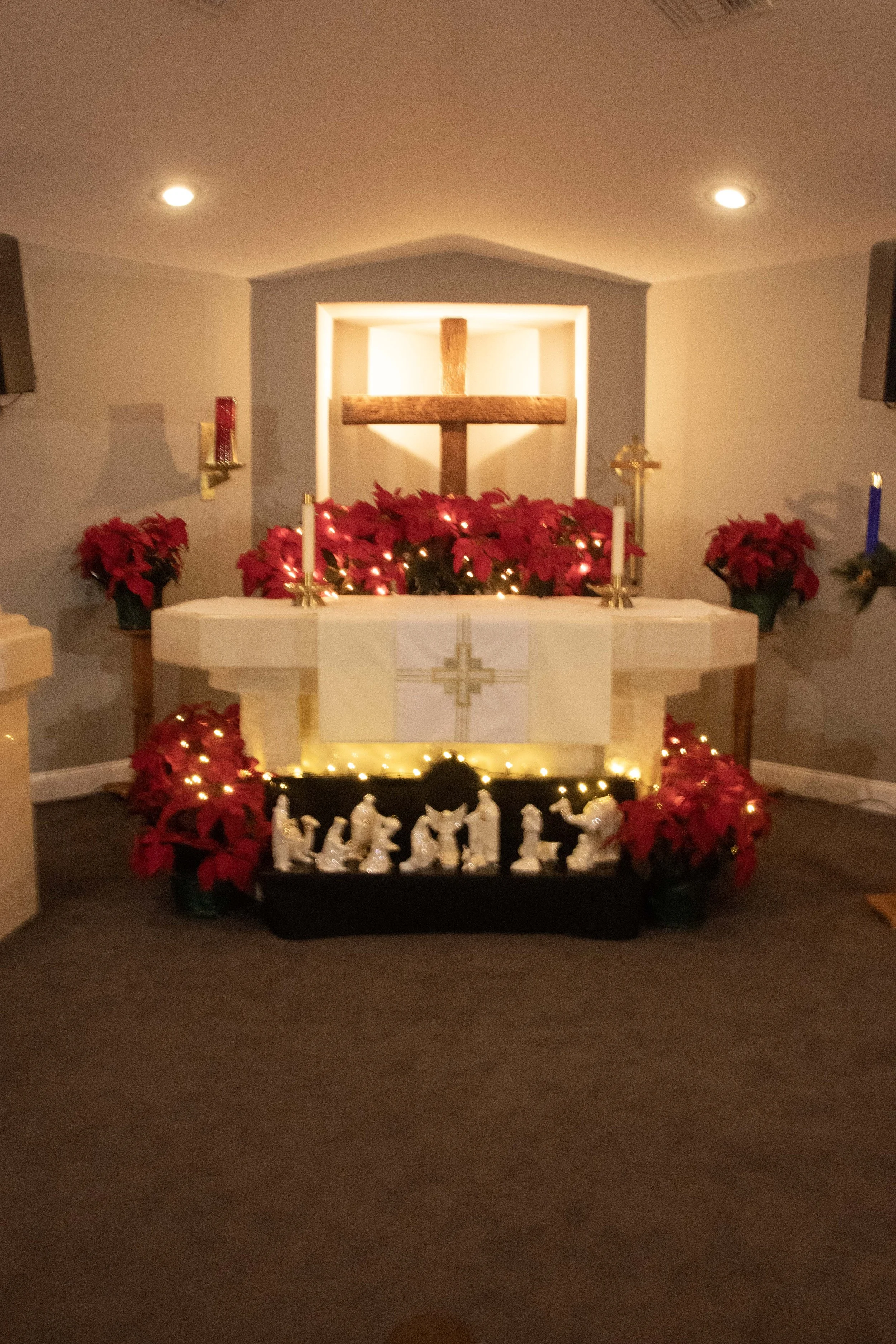
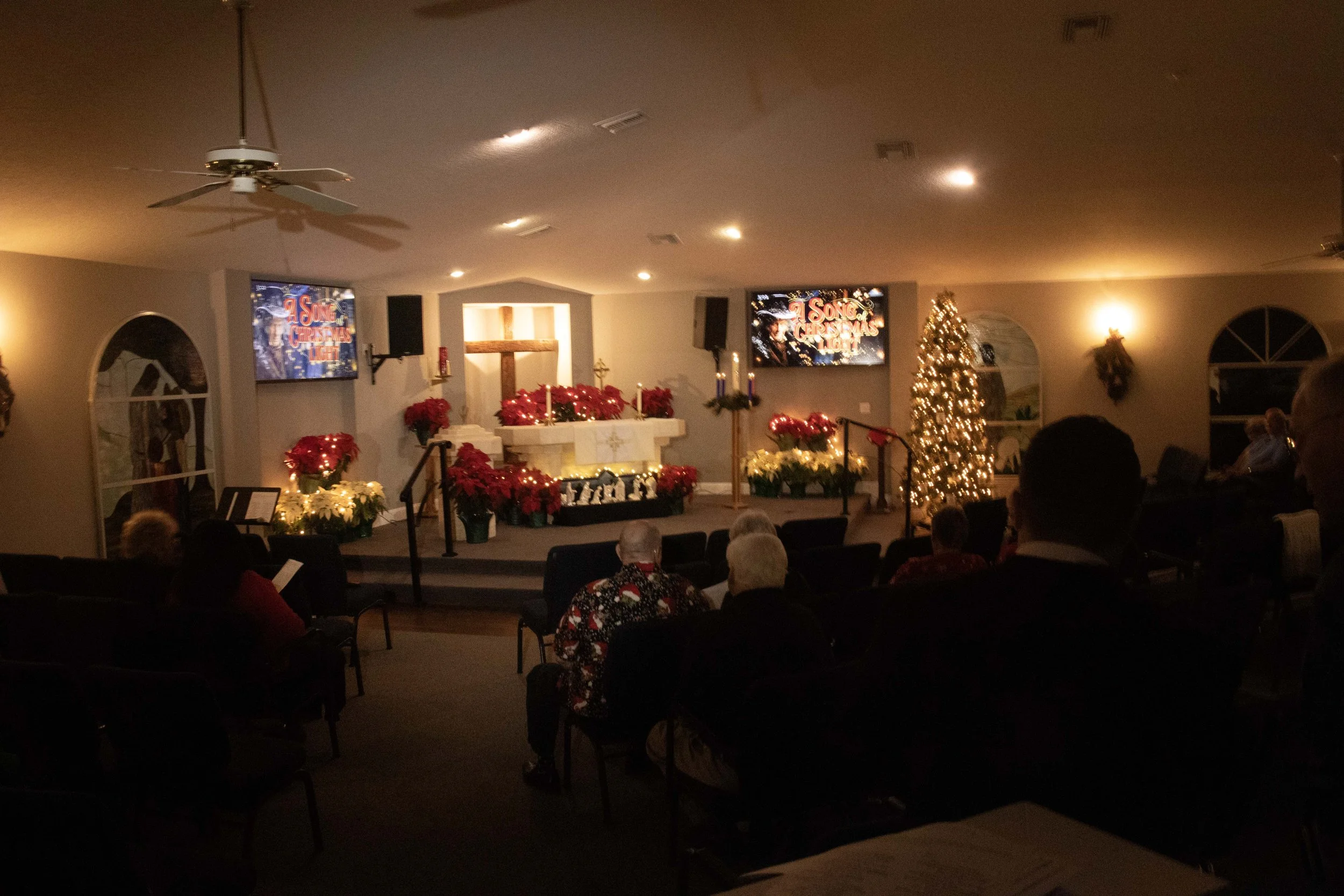
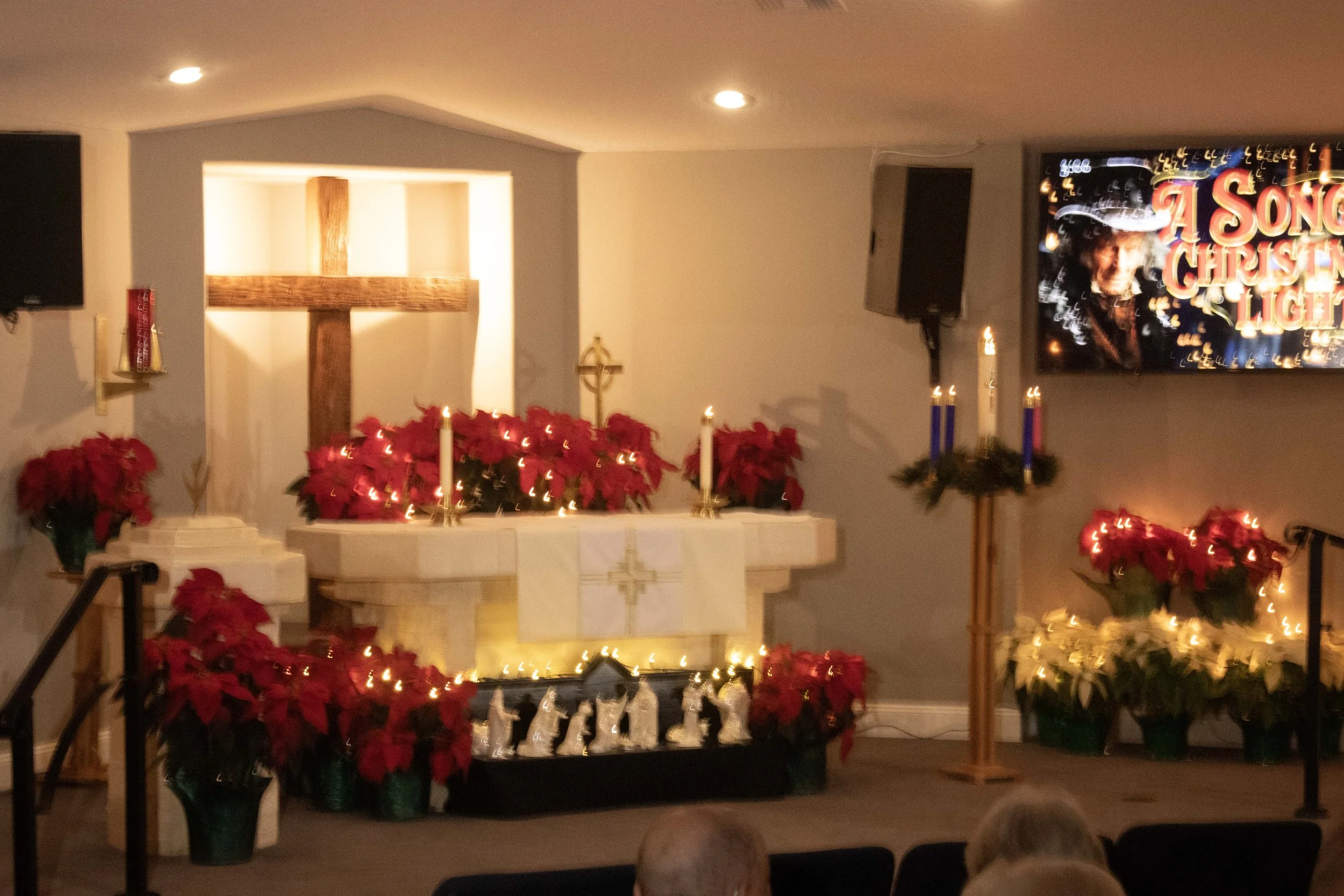
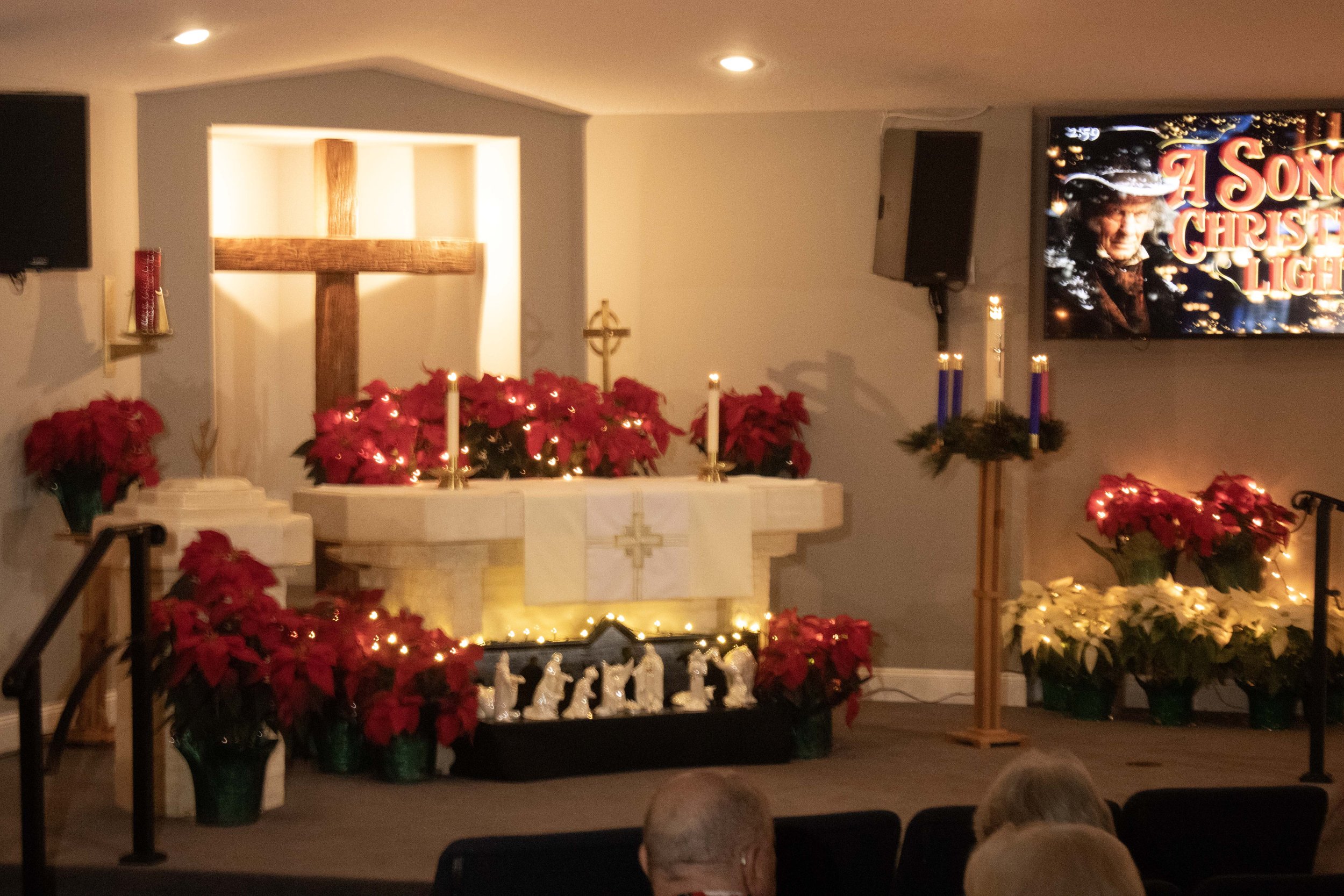
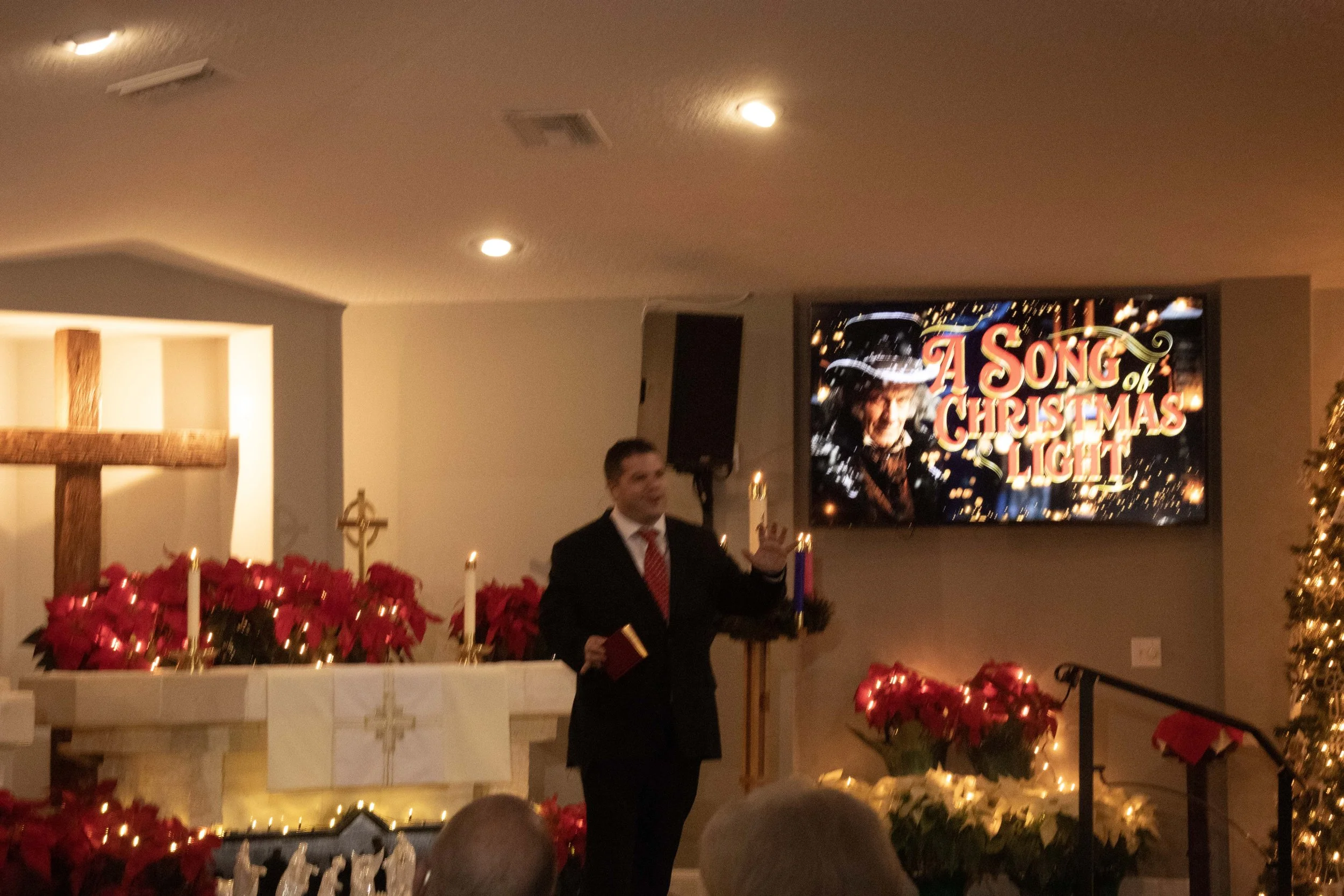
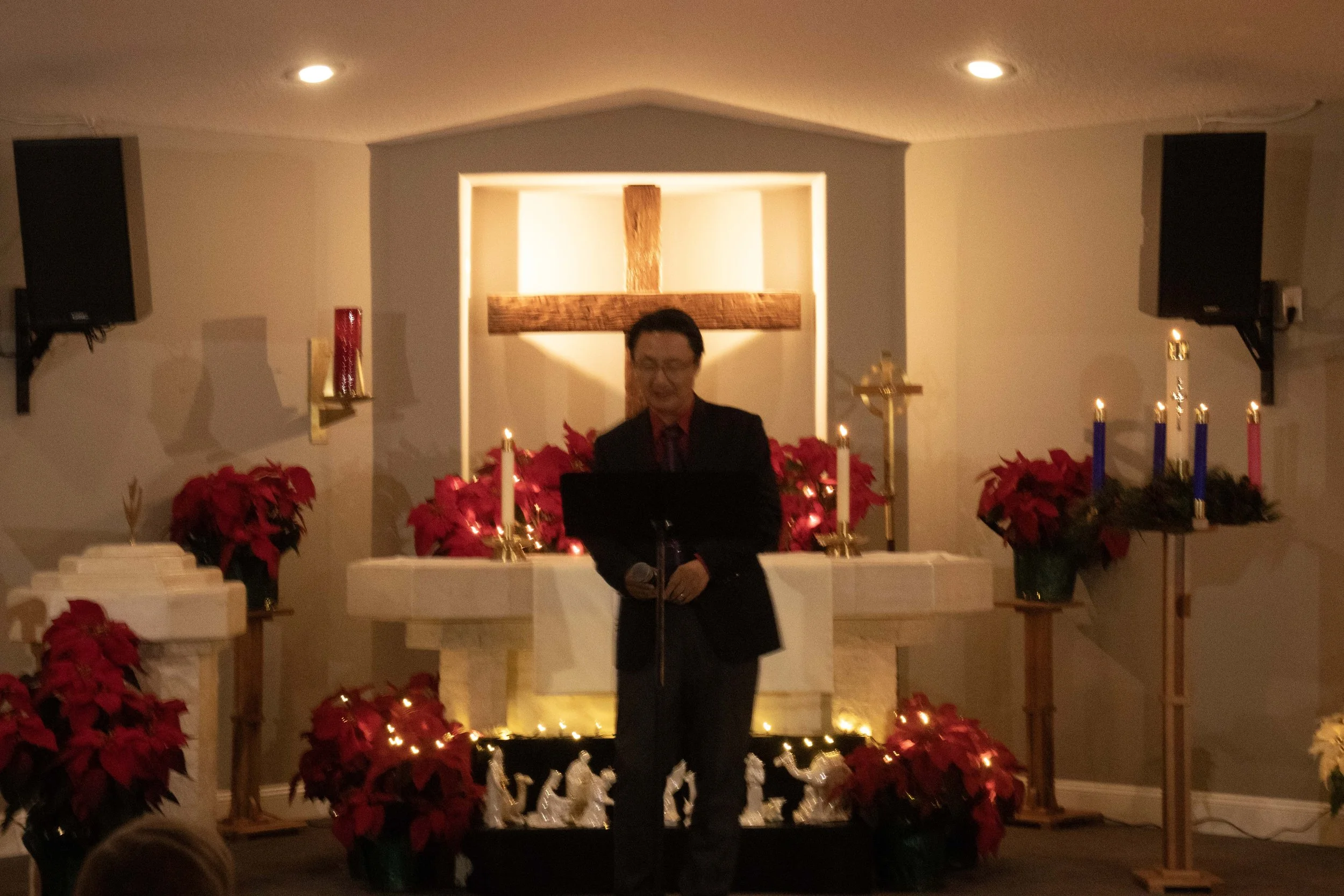
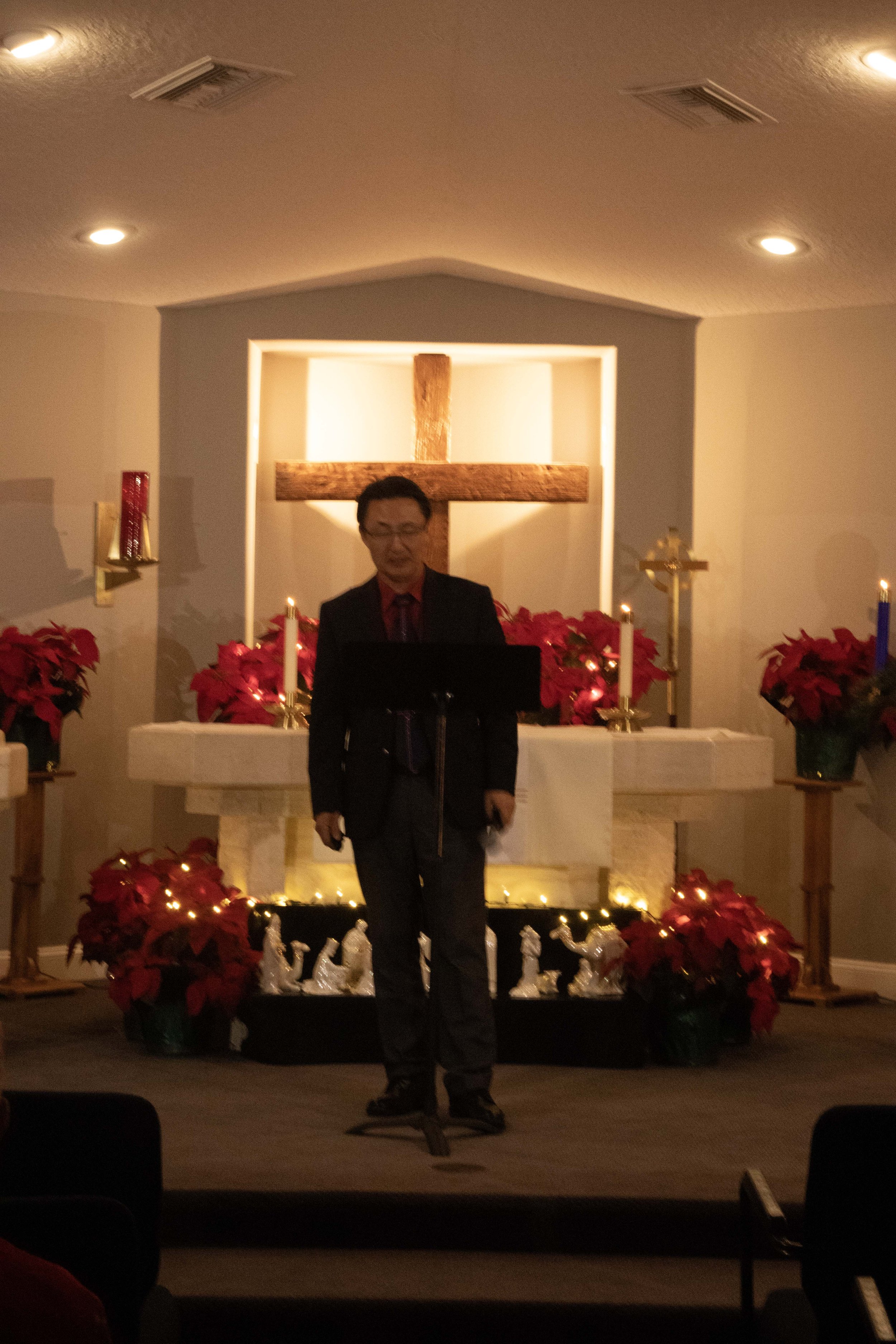
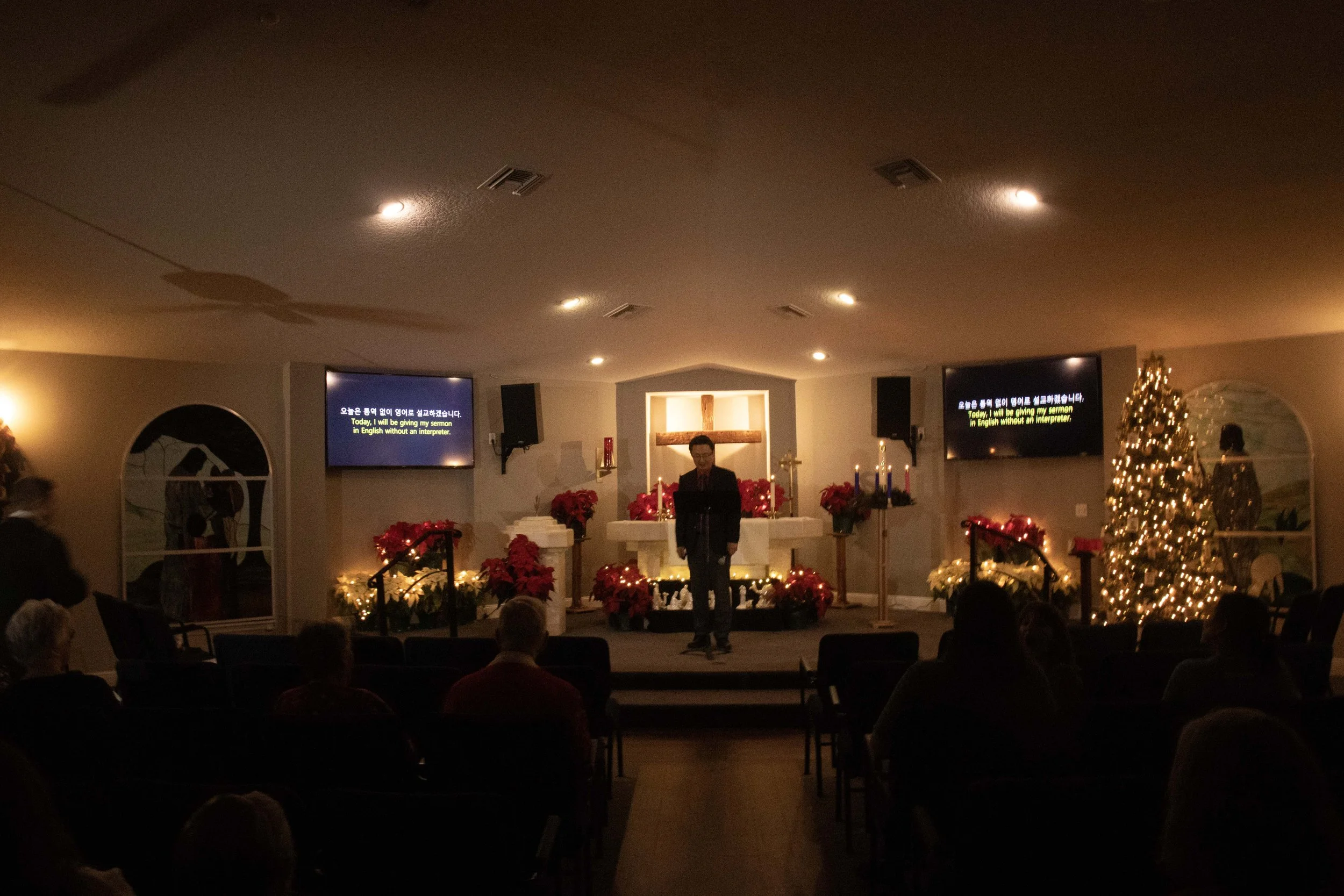
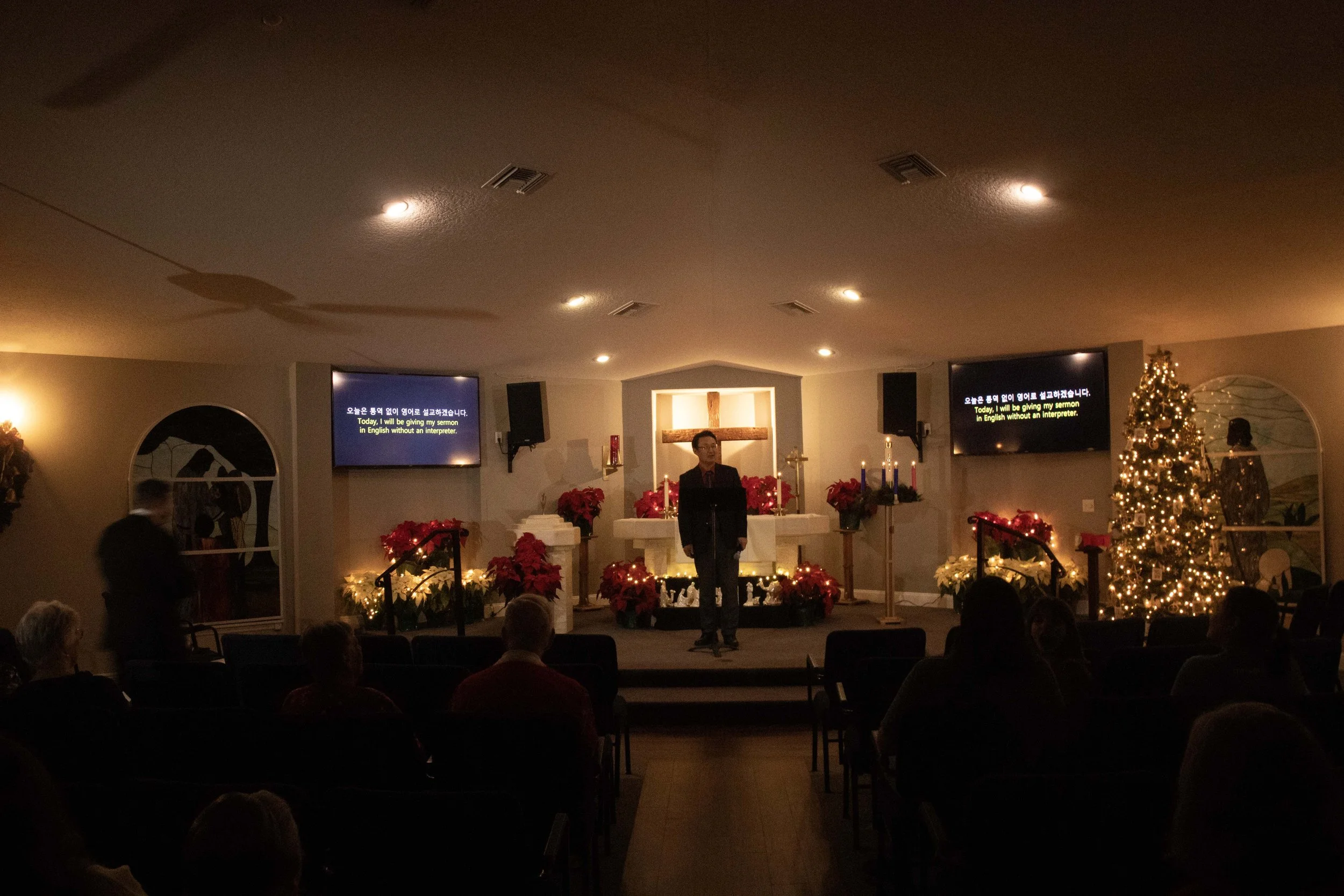
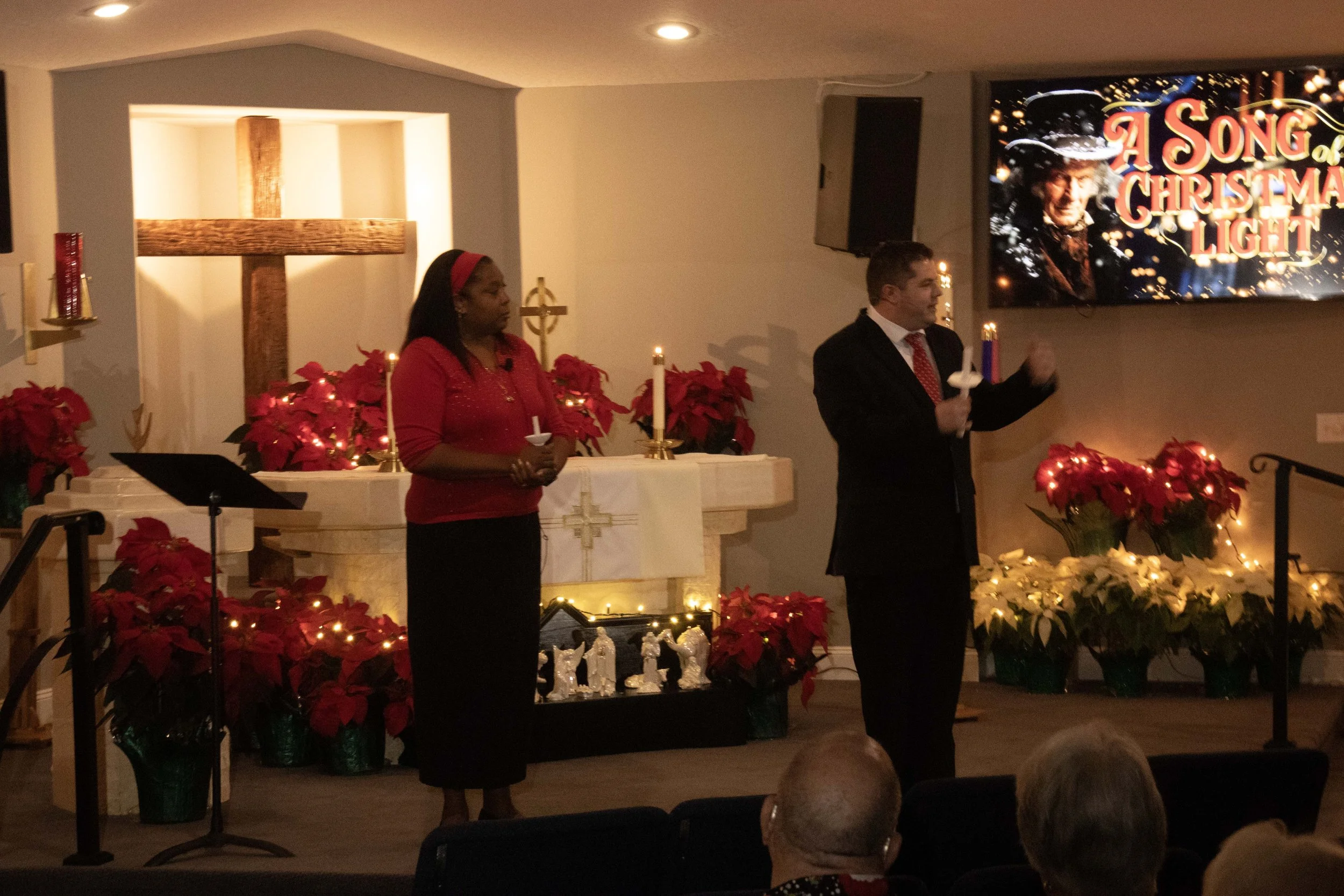
wonderful Christmas Eve this year.
What a great Christmas Eve.
Thanks to all who joined us and to all who helped put it on.
This year was an amazing attendance recored. 219 in person with another 15 on the stream. 142 at the 4pm service!
Pastor Kim made 7pm special by being delivering his first sermon in English.
All in all it was a great Christmas Eve.







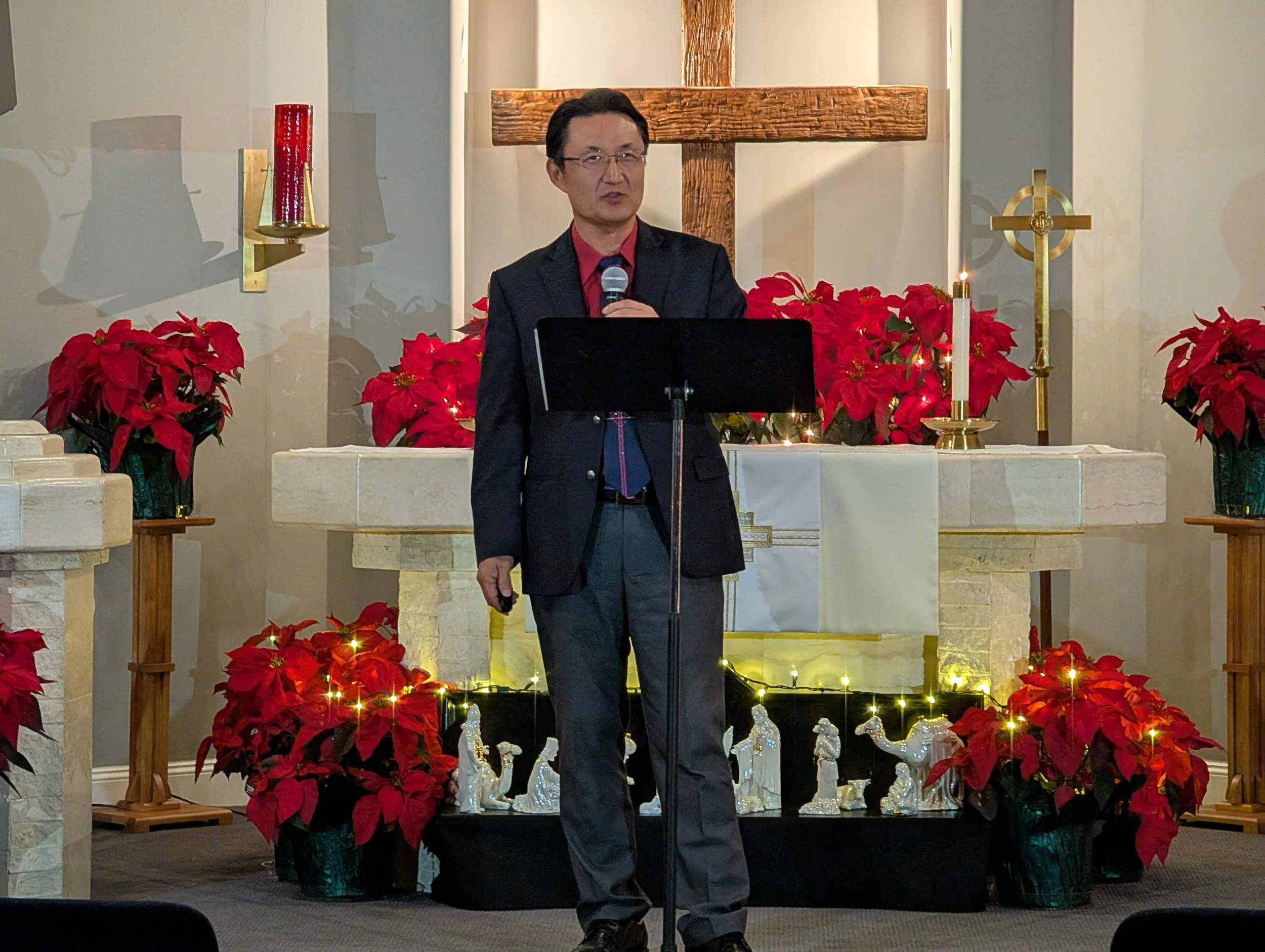
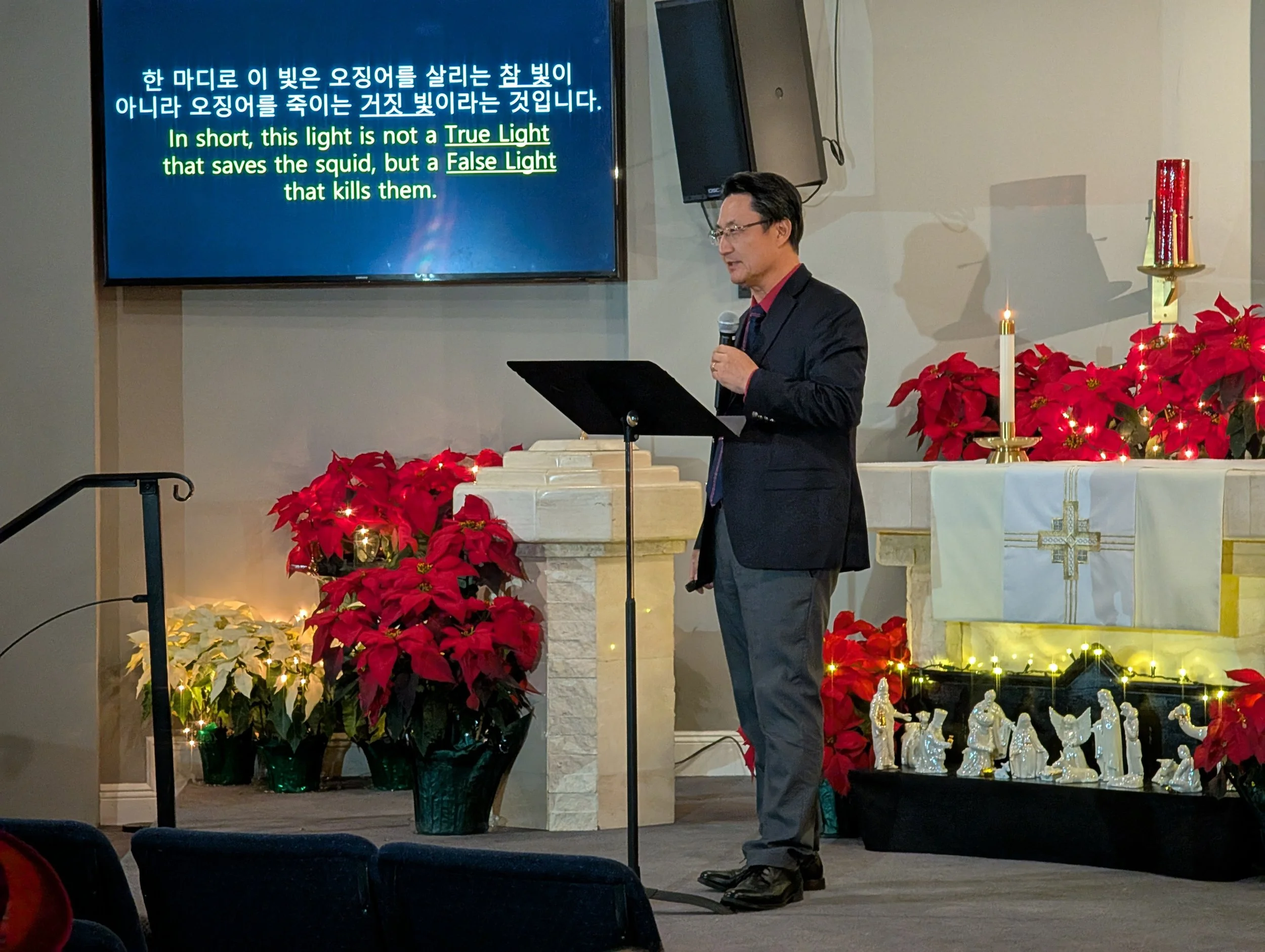
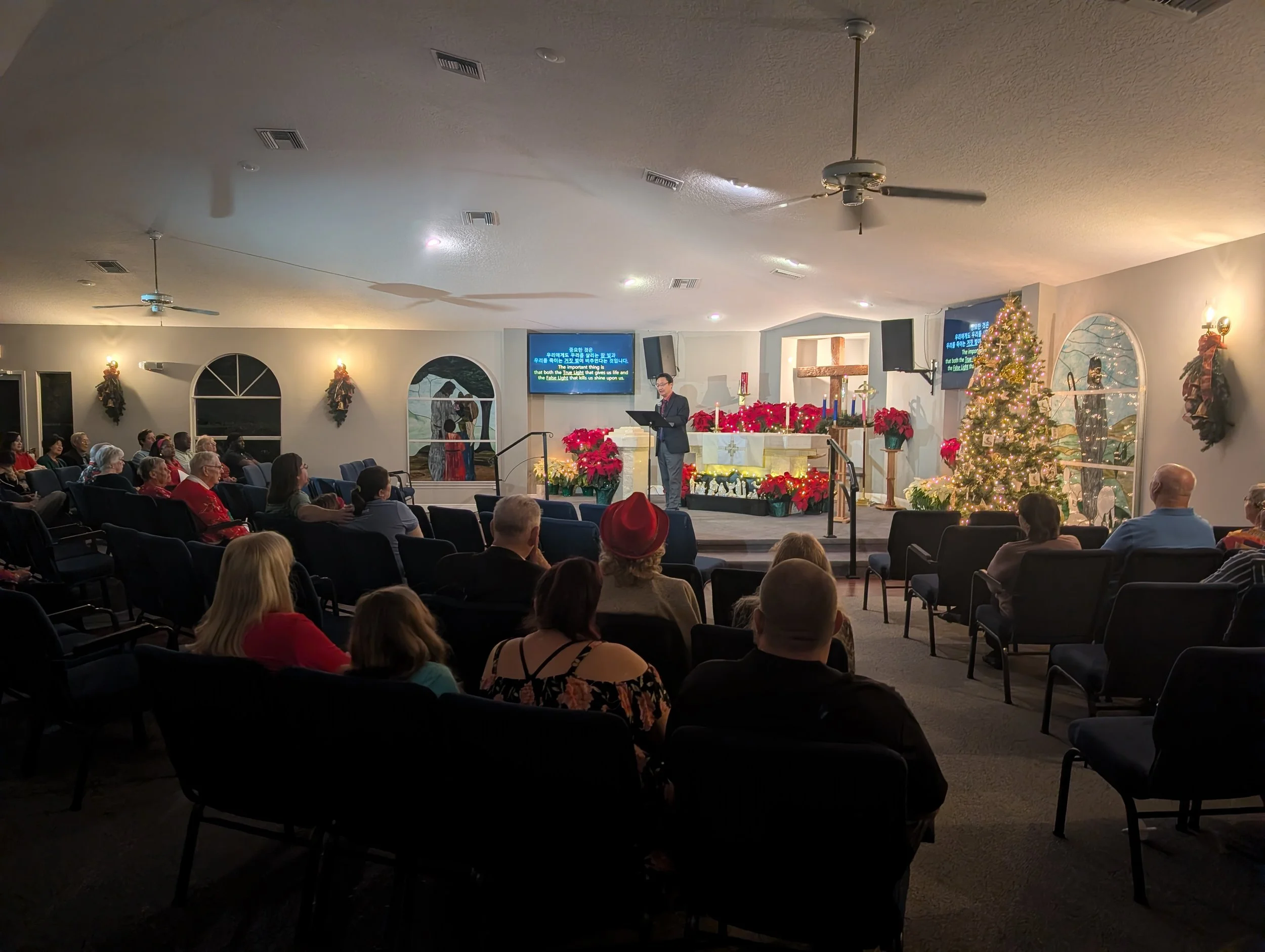


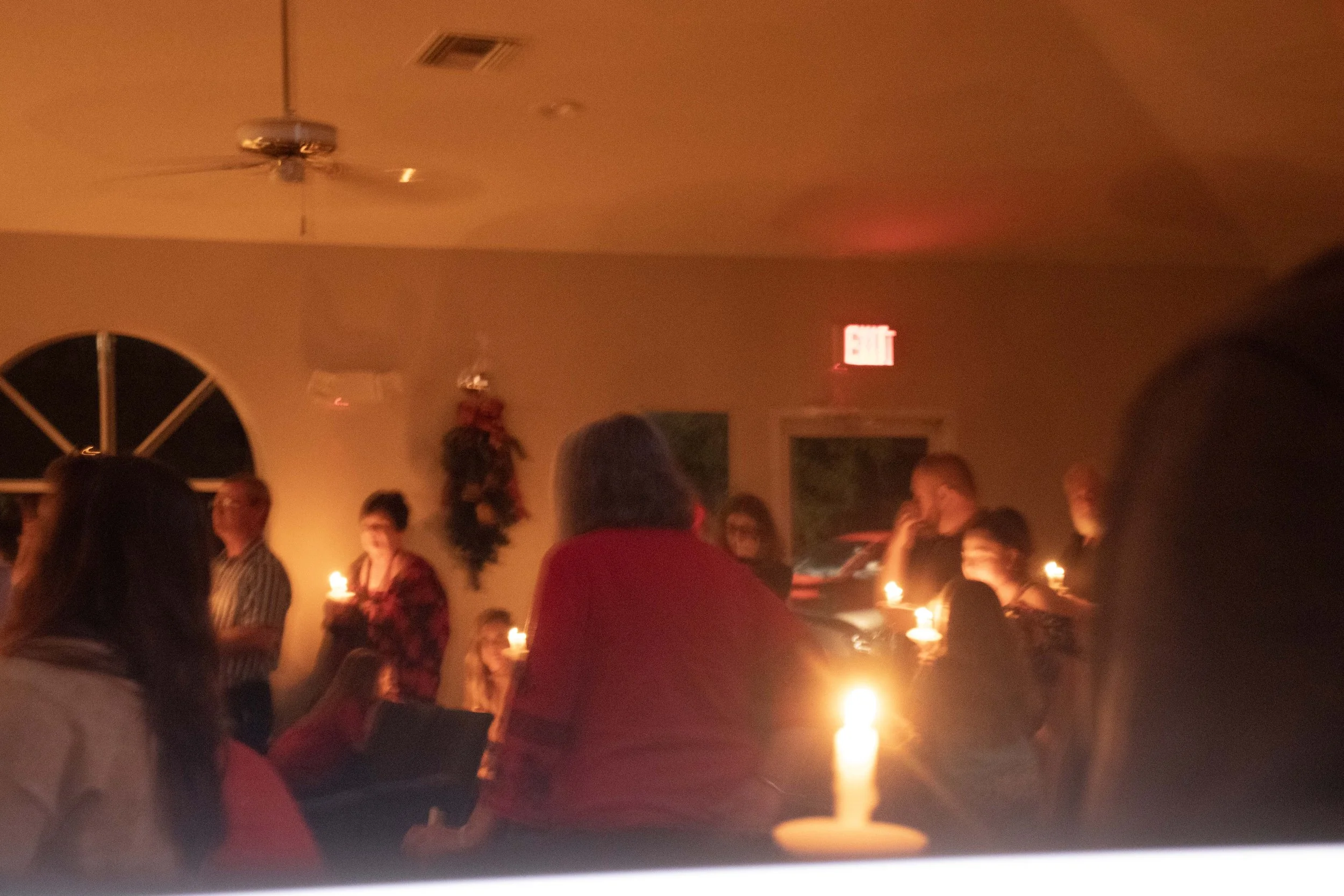
![[Christmas Eve] A Song of Christmas Light](https://images.squarespace-cdn.com/content/v1/5852f18a20099e30cd2c01dc/1766459038816-RE9GU9A1NB5IBYM52X0S/Christmas+eve+.jpg)
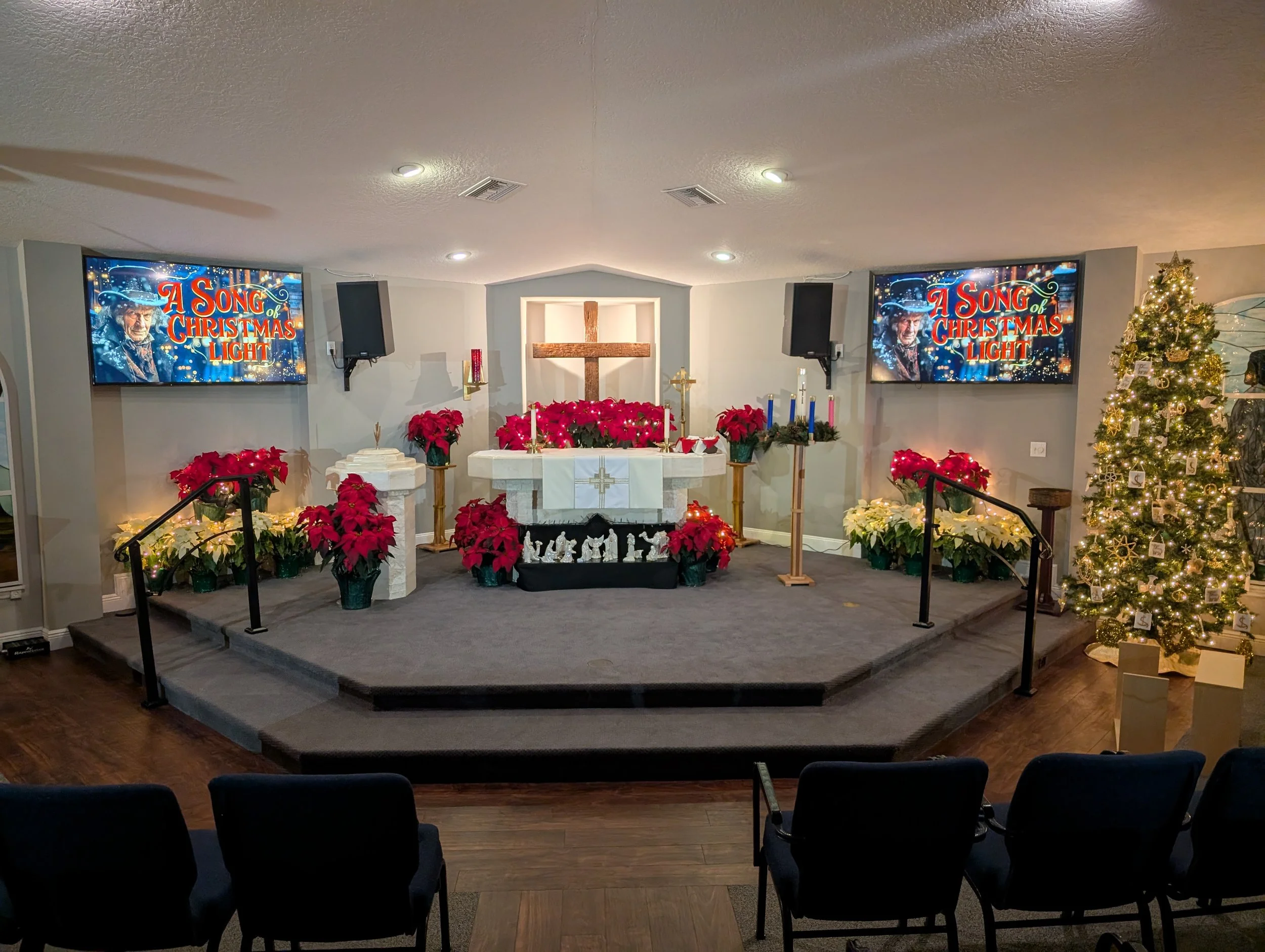
[Christmas Eve] A Song of Christmas Light
Much like Scrooge, the shepherds sat in darkness until the heavenly angels came, bringing the light of a well celebrated Christmas.
Christmas Eve Candlelight service
4pm with Live Stream
7pm with Korean Church
Much like Scrooge, the shepherds sat in darkness until the heavenly angels came, bringing the light of a well celebrated Christmas.
What Had happened at Grace this week.

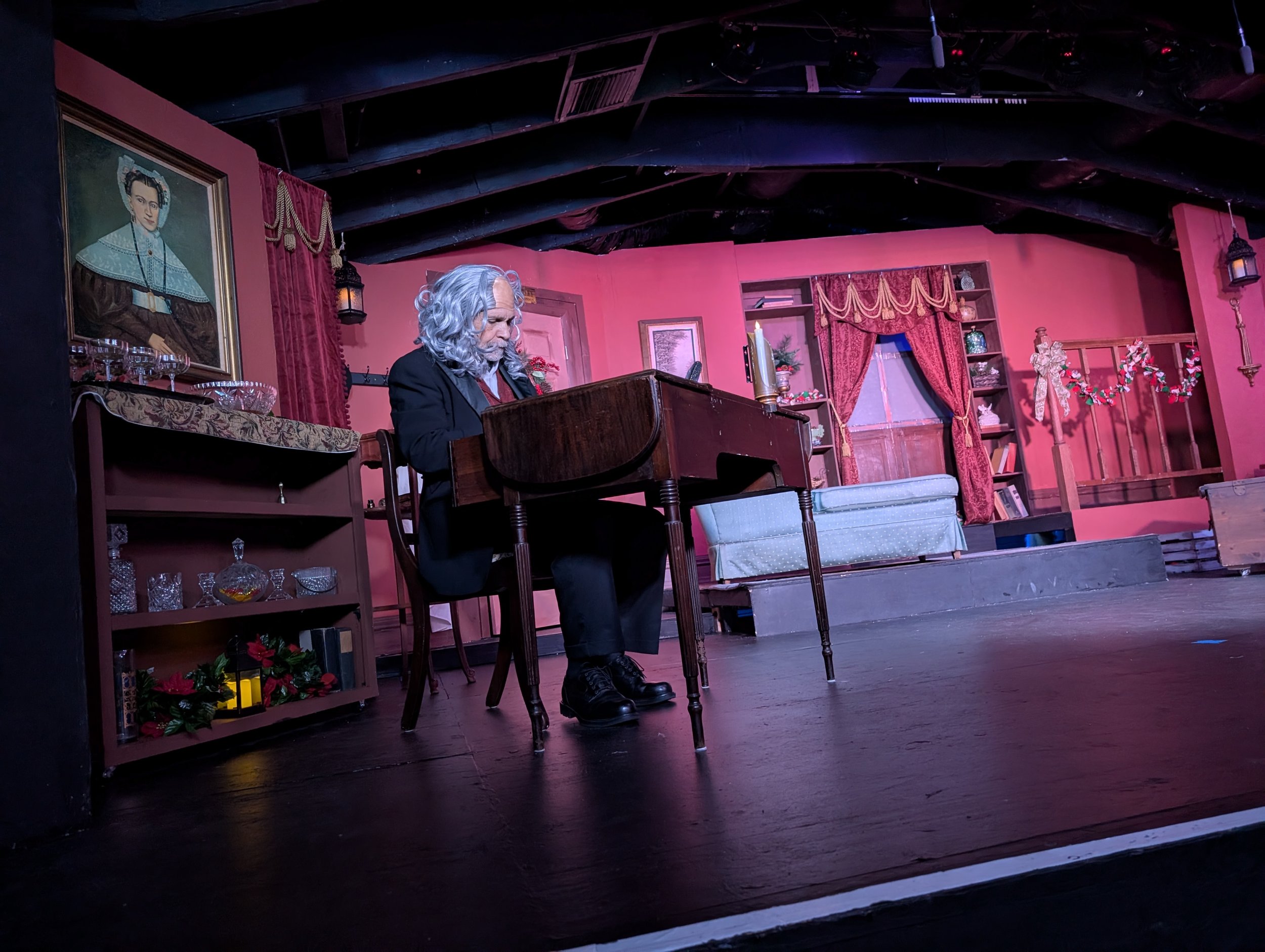
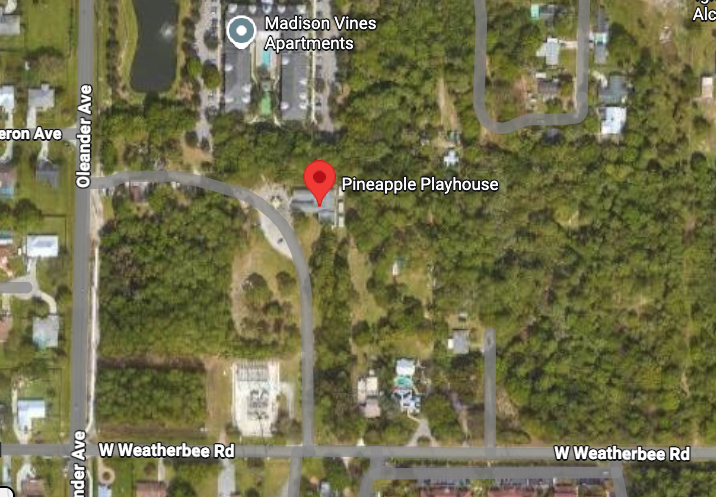
A Christmas Carol at Pineapple Playhouse
"On December 21st, our Grace community headed over to the Pineapple Playhouse for a special showing of A Christmas Carol.
"On December 21st, our Grace community headed over to the Pineapple Playhouse for a special showing of A Christmas Carol. We nearly filled the theater with 91 of us in attendance, and it was such a wonderful way to celebrate the season together."























![[Sunday] A Song of Christmas Light - Pointing to Greatness Stave 4](https://images.squarespace-cdn.com/content/v1/5852f18a20099e30cd2c01dc/1766107074577-MKU6U8LW1N5S1EATE1RW/Christmas+light+4a.jpg)
[Sunday] A Song of Christmas Light - Pointing to Greatness Stave 4
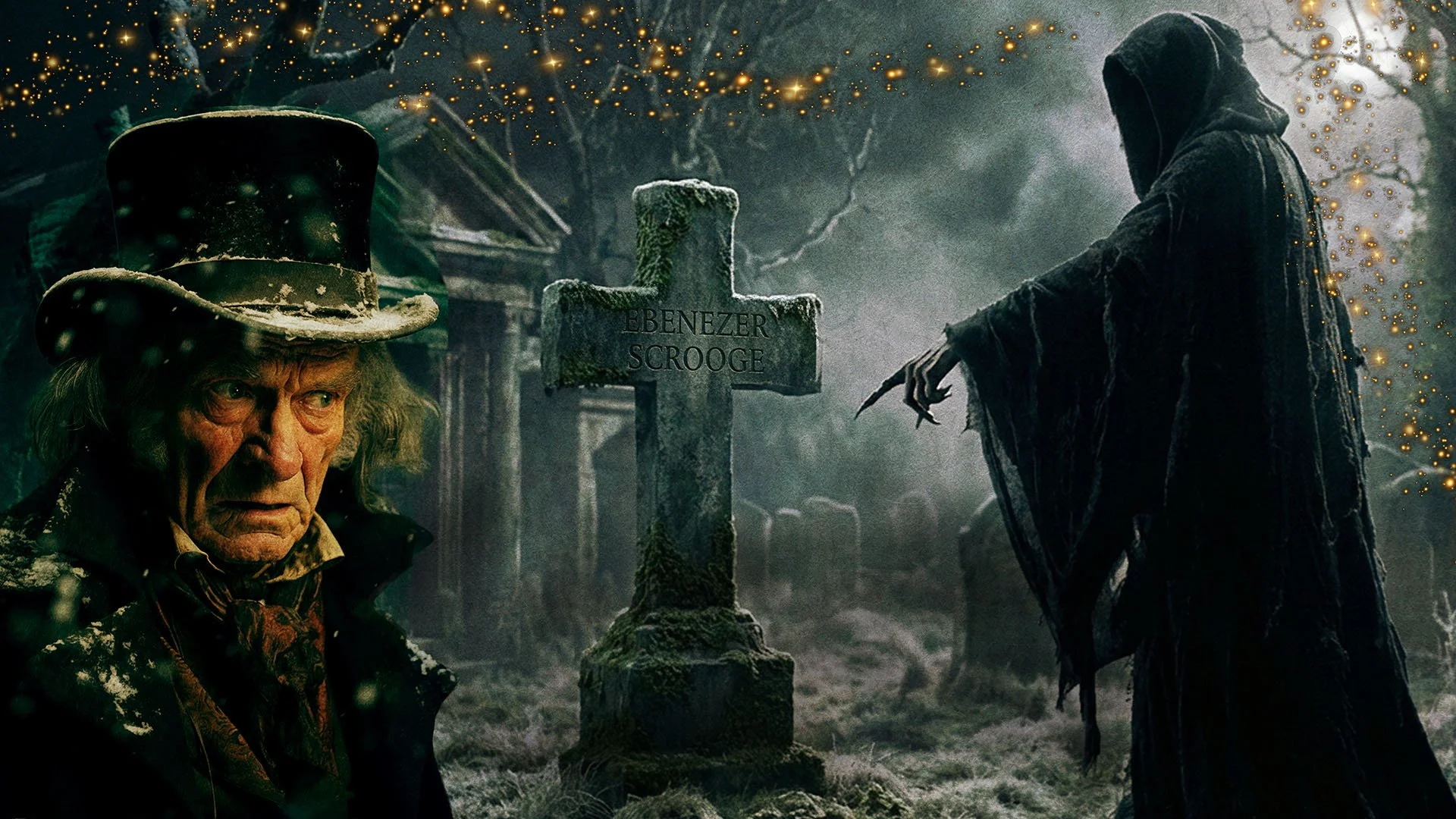
While the Ghost points to the grave our ambition digs, Jesus answers by becoming the humble Child who enters that grave to raise us to new life.
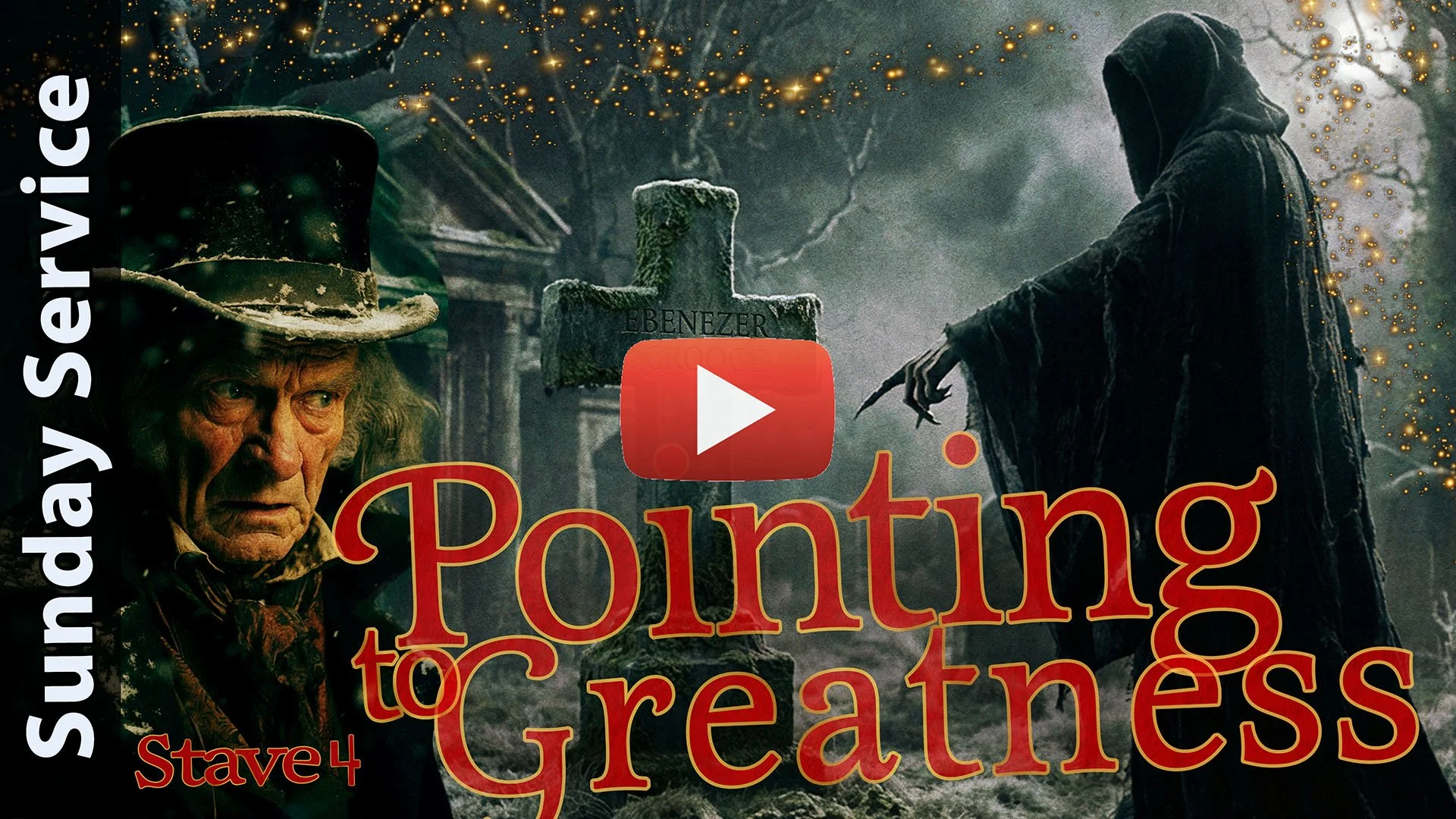
While the Ghost points to the grave our ambition digs, Jesus answers by becoming the humble Child who enters that grave to raise us to new life.
-
"Ghost of the Future! " he exclaimed, " I fear you more than any spectre I have seen. But as I know your purpose is to do me good, and as I hope to live to be another man from what I was, I am prepared to bear you company, and do it with a thankful heart. Will you not speak to me?" pg 123
It's likely to be a very cheap funeral, " said the same speaker; " for upon my life I don't know of anybody to go to it . Suppose we make up a party and volunteer? " pg 125
for he had been revolving in his mind a change of life, and thought and hoped he saw his new-born resolutions carried out in this pg 128
He frightened every one away from him when he was alive, to profit us when he was dead! Ha, ha, ha! " pg 136
" Spirit ! " said Scrooge, shuddering from head to foot. " I see , I see. The case of this unhappy man might be my own. My life tends that way, now. Merciful Heaven, what is this! " pg 136
" Spirit! " he said, "this is a fearful place . In leaving it, I shall not leave its lesson, trust me. Let us go! " pg 138
He is acting like david here
We may sleep to-night with light hearts, Caroline! " Yes. Soften it as they would, their hearts were lighter. The children's faces, hushed and clustered round to hear what they so little understood, were brighter; and it was a happier house for this man's death! The only emotion that the Ghost could show him, caused by the event, was one of pleasure. "Let me see some tenderness connected with a death, " said Scrooge; pg 141
They entered poor Bob Cratchit's house; the dwelling he had visited before; and found the mother and the children seated round the fire.
Quiet. Very quiet. The noisy little Cratchits were as still as statues in one corner, and sat looking up at Peter, who had a book before him. The mother and her daughters were engaged in sewing. But surely they were very quiet ! pg 142And He took a child and set him in the midst of them pg 142
Scrooge was not like this child but
I am heartily sorry for it, Mr. Cratchit, ' he said, ' and heartily sorry for your good wife. ' By the bye, how he ever knew that, I don't know. " "Knew what, my dear?" "Why, that you were a good wife, " replied Bob. "Everybody knows that! " said Peter. "Very well observed, my boy! " cried Bob. “I hope they do. ' Heartily sorry, ' he said, ' for your good wife. If I can be of service to you in any way, ' he said, giving me his card , 'that's where I live. Pray come to me. ' Now, it wasn't, " cried Bob, " for the sake of anything he might be able to do for us, so much as for his kind way, that this was quite delight- ful. It really seemed as if he had known our Tiny Tim, and felt with us." pg 145
"Before I draw nearer to that stone to which you point," said Scrooge, "answer me one question. Are these the shadows of the things that Will be, or are they shadows of the things that May be, only?"
Spirit! " he cried, tight clutching at its robe, " hear me! I am not the man I was. I will not be the man I must have been but for this intercourse. Why show me this, if I am past all hope!" For the first time the hand appeared to shake.
"Good Spirit, " he pursued , as down upon the ground he fell before it: " Your nature intercedes for me, and pities me. Assure me that I yet may change these shadows you have shown me, by an altered life ?"
The kind hand trembled."I will honour Christmas in my heart , and try to keep it all the year. I will live in the Past, the Present, and the Future. The Spirits of all Three shall strive within me. I will not shut out the lessons that they teach. Oh, tell me I may sponge away the writing on this stone! "
Questions for the Week: A Story of Christmas Light - Pointing to Greatness
The Ghost of Christmas Yet to Come and John the Baptist both point to the reality of death and sin. Why is it often necessary to face the harsh reality of where our actions are leading us (the "grave") before we can truly change?
Read Luke 3:1-10 We connected Scrooge's greed to the "brood of vipers" pursuit of greatness. In what ways does our modern culture's definition of "greatness" (success, power, wealth) lead to a spiritual "grave" or harm those around us (like Tiny Tim)?
Read Matthew 18:1-6. This was read in the Cratchit home at the death of Tiny Tim: "And He took a child and set him in the midst of them." Jesus showed greatness and humility by becoming a weak baby in a manger and later welcoming the weak. When are those times at your weakness when Jesus has welcomed you?
We are called to "bury our sinful desires" in the grave with Jesus and be raised to bear fruit. What are specific "fruits of repentance" (an act of love, mercy, or generosity) you hope to bear this coming week?
What Had happened at Grace this week.

Christmas Carol Dec. 21st. 2pm Pineapple Playhouse
A Christmas Carol – Dec 21st. at the Pineapple Playhouse

A Christmas Carol
Local Theater: Pineapple Playhouse Production
2PM Start, 1:30pm Doors open.
Tickets Go on sale Nov. 30th Between Services
I encourage you to get there early.
December 21st, Sunday
Event Starts at 2pm, Doors open at 1:30pm
Tickets are 15 Dollars, Only 106 Tickets Available (General Admission)
Address: 700 W Weatherbee Rd, Fort Pierce, FL 34982
Theater gets Dark at 2PM
Doors Open 1:30PM
Pineapple playhouse is a local theater.
We will be watching our neighbors preform for us.
There will be 11 other people with us.
We will indicate where their seats are
We will have general admission.
700 W Weatherbee Rd, Fort Pierce, FL 34982


1 John Chapter 5 & 2nd and 3rd John - The Johns Bible Study
This Bible study explored 1 John 5 and the letters of 2 and 3 John, emphasizing that true belief in Jesus is inseparably linked to actively loving others, which empowers believers to overcome the world, discern false teachings, and reject self-righteous leadership.
1st, 2nd, and 3rd John
1 John Chapter 5 & 2nd and 3rd John
This is an AI Recap of the class.
Some things may be incorrect.
Short Summary of the Whole Class
The class delved into the conclusion of 1 John and the short letters of 2 and 3 John, continuing the themes of God as light and love. The discussion highlighted that genuine faith in Jesus Christ is not a passive belief but is demonstrated through active obedience to His commandments, primarily to love God and others. We explored how this active love allows believers to overcome the world and identify false teachers, who may profess faith but lack loving actions. The session touched on the nature of mortal sin, identifying it with the destructive Gnostic heresy that denied Jesus came in the flesh. 2 John provided a practical warning against supporting these deceivers, while 3 John contrasted the faithful hospitality of Gaius with the self-important, exclusionary leadership of Diotrephes. The study connected these concepts to the transformative story of Scrooge and the flawed human attempt to create a "perfect" group, as seen in the story of Noah.
In-Depth Class Summary
Introduction and Recap of 1 John
The session began by recapping the themes from the previous weeks, drawing from a Bible Project guide on 1 John. The first three chapters established the theme that "God is light," while the previous week’s discussion focused on "God is love." A key point from 1 John chapter 4 was revisited: the inseparable link between loving God and loving fellow human beings. One cannot claim to love the unseen God while hating a brother or sister they can see. This set the stage for diving into 1 John chapter 5.
Summary: The class started by reviewing the core themes of 1 John: God is light and God is love. The main takeaway from the previous session was that loving God requires loving others, which provided the foundation for the current study.
Bible Verses Mentioned:
1 John chapter 4
Reading and Initial Reactions to 1 John 5
The class then read through the entirety of 1 John chapter 5. Key themes included belief in Jesus, keeping God's commandments, overcoming the world through faith, and the testimony of the spirit, water, and blood. A significant point of discussion was how John views faith and keeping God's commandments not as two separate steps but as one cohesive unit. It’s not that you have faith and then you keep the commandments; rather, genuine faith is expressed through keeping the commandments. This understanding is crucial for interpreting the rest of the chapter.
Summary: After reading 1 John 5, the class noted its parallels with Revelation and focused on how John presents faith and obedience to God's commandments as a single, unified action.
Bible Verses Mentioned:
1 John chapter 5 (entire chapter)
The Witness of God and Discerning False Teachers
The conversation moved to verses 9-12, which discuss the "witness of God" about His Son. This was connected to the idea that to "believe in the Son" is to join God in His life-giving work. Verse 10 states, "he who does not believe God has made him a liar." If someone claims to be all about God but shows no love, their claim is false. This concept was illustrated using the story of Scrooge from A Christmas Carol. Scrooge’s transformation wasn't a mental agreement but a complete change that compelled him to go out and actively do good.
This principle serves as a rubric for discernment. The warning in verse 21 to "keep yourselves from idols" was interpreted as a caution against the false teachings John counters throughout the letter. False teachers can be identified by their lack of love. If they actively push people away from showing love, their message should be treated with caution.
Summary: Believing God’s witness means joining in His life-giving work. A claim to faith without loving action is a lie, as illustrated by Scrooge's transformation. This principle helps identify false teachers ("idols") who lack the fruit of love.
Bible Verses Mentioned:
1 John 5:9-12
1 John 5:21
Stories Mentioned:
The transformation of Scrooge in A Christmas Carol
The shepherds visiting the baby Jesus in the manger
Sin, Prayer, and False Teachers (1 John 5:16-21)
The class wrestled with the difficult verses 16-17, which distinguish between "sin which does not lead to death" and "sin leading to death." The consensus was that the "sin leading to death" likely refers to the destructive heresy of the false Gnostic teachers. However, John encourages prayer for them, suggesting they are not a lost cause. The letter concludes by reaffirming the believer's identity in God—we are "born of God," kept from the "wicked one," and have true understanding through Jesus Christ. The purpose of 1 John was to warn the church to watch out for messengers whose message lacks the core truths of God as light and love.
Summary: We discussed 1 John 5:16-21, interpreting "sin leading to death" as the Gnostic heresy. John encourages prayer for these individuals while urging the church to remain vigilant, rest in the truth of Christ, and avoid the "idols" of false teaching.
Bible Verses Mentioned:
1 John 5:14-21
Stories/Concepts Mentioned:
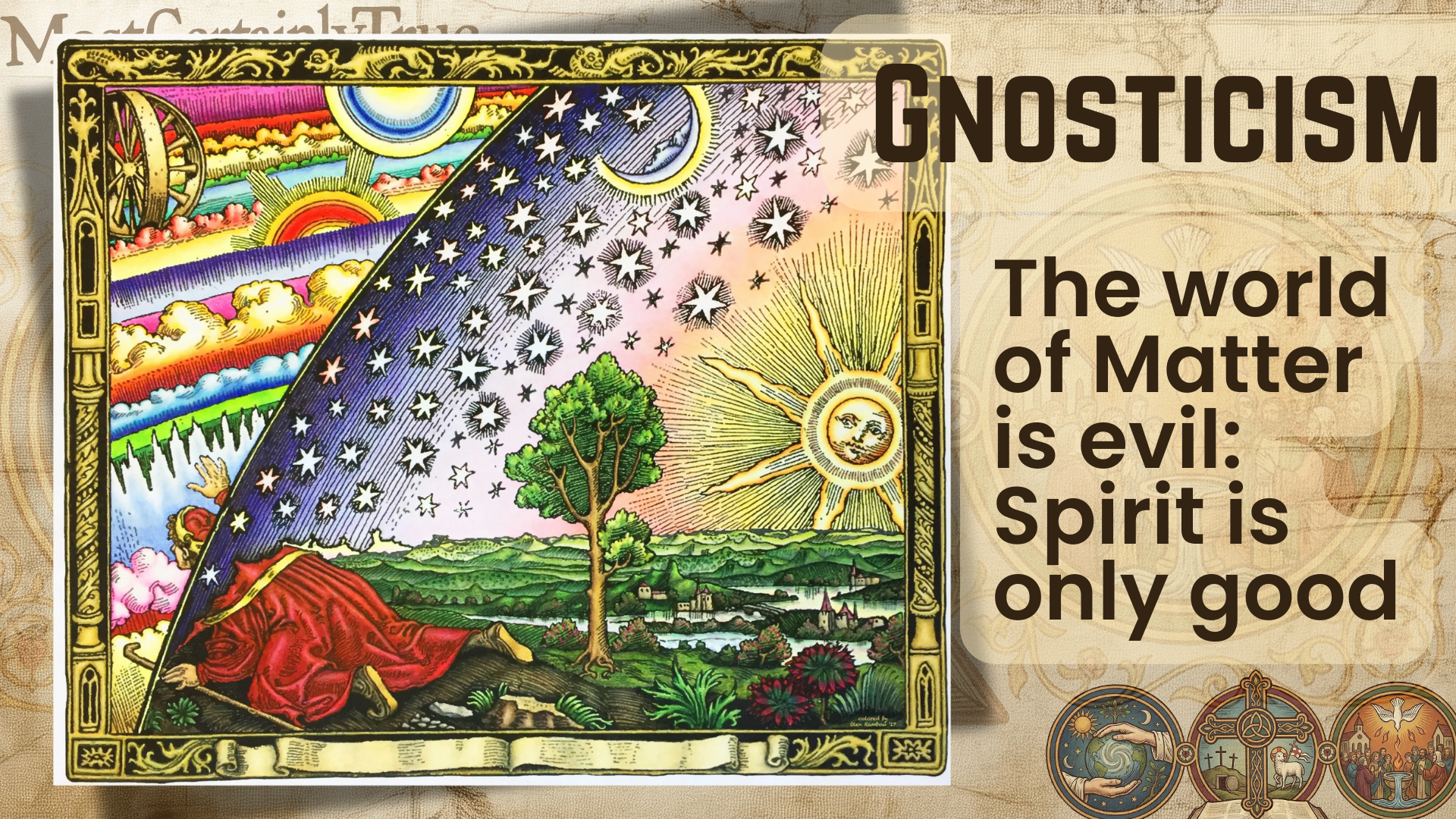
Gnosticism (the heresy that physical matter is evil and spirit is good)
2 John: Do Not Support Deceivers
The class moved on to 2 John, interpreting the "elect lady and her children" as a local church. The letter’s central theme is walking in "truth" and loving one another. This is immediately contrasted with the "many deceivers" who "do not confess Jesus Christ as coming in the flesh." John gives a stern warning not to receive these teachers into their house or even greet them, as doing so would mean sharing in their evil deeds. This letter serves as a practical application of the warnings in 1 John.
Summary: 2 John serves as a direct warning to the church. John urges believers to walk in truth and love but to firmly reject and refuse to support traveling false teachers who deny that Jesus Christ came in a physical body.
Bible Verses Mentioned:
2 John (entire letter), especially vv. 7, 10
Stories/Concepts Mentioned:
The "elect lady" as a metaphor for the church.
3 John: An Example of Good and Bad Leadership
The final letter, 3 John, was addressed to Gaius, who is praised for his faithfulness and hospitality toward true Christian missionaries. In stark contrast is Diotrephes, described as one "who loves to have the preeminence" (v. 9). Diotrephes rejects John's authority and excommunicates members who show hospitality to the brethren. He exemplifies evil leadership rooted in pride. This was connected to the temptation within churches to become exclusive and self-righteous, an impulse illustrated by the story of Noah, where God's attempt to create a "perfect" group still resulted in sin. Diotrephes represents this flawed human desire to purify the church by force rather than living in grace.
Summary: 3 John presents a case study in church leadership, contrasting the hospitable Gaius with the prideful, exclusionary Diotrephes. The letter warns against leaders who put themselves first and seek to purify the church by kicking people out, reminding us that this self-righteous impulse is flawed.
Bible Verses Mentioned:
3 John (entire letter), especially v. 9
Stories/Concepts Mentioned:
The story of Noah and the flood as an allegory for the failed attempt to create a "perfect" group free of sin.
Final Summary
In our study, we journeyed through 1 John 5 and the epistles of 2 and 3 John, connecting their themes of truth, love, and discernment. The central argument was that John presents belief in Jesus Christ not as a passive, intellectual agreement but as a dynamic, living faith demonstrated through actions—specifically, by loving God and others. This fusion of faith and works is the key to "overcoming the world" and serves as a practical tool for discernment. The way to identify false teachers, or the "idols" John warns against, is to examine the fruit of their lives.
We concluded that the "sin leading to death" in 1 John 5 was a reference to destructive Gnostic heresies that denied Jesus's physical incarnation. This theme was reinforced in 2 John, which gives a stark command not to support these "deceivers." Finally, 3 John provided a real-world example, contrasting the faithful Gaius, who lovingly supported true missionaries, with the prideful church leader Diotrephes, who "loves to be first." This led to a broader discussion on the dangers of self-righteousness and the flawed temptation to create an exclusive "holy" group, illustrated by the story of Noah. Ultimately, John's letters call us to a faith that walks in the truth of Jesus Christ come in the flesh, loves the brethren, and wisely rejects any teaching or leader not rooted in God's light and love.
Main Points
True faith in Jesus is demonstrated by keeping His commandments to love God and love your neighbor.
Faith and loving action are one cohesive unit, and this active faith is how believers "overcome the world."
A profession of faith without the action of love is a lie.
The primary heresy John combats is a form of Gnosticism that denies Jesus Christ came in a physical body.
The church must be discerning and not offer support to those who spread false doctrine.
Church leadership should be modeled on humble service (like Gaius) and not on pride or a desire for preeminence (like Diotrephes).
The impulse to "purify" the church by kicking out sinners is a dangerous temptation that goes against the lesson of grace.
Confidence in prayer comes from aligning our will and actions with God’s loving will.
Scriptures and Stories Mentioned
Bible Scriptures:
1 John Chapter 4
1 John Chapter 5 (specifically verses 9-12, 14-21)
2 John (entire letter)
3 John (entire letter)
Stories and Concepts:
The transformation of Scrooge in Charles Dickens' A Christmas Carol.
The story of the shepherds visiting the manger after Jesus' birth.
Gnosticism
The story of Noah and the Flood (Genesis 6-9)
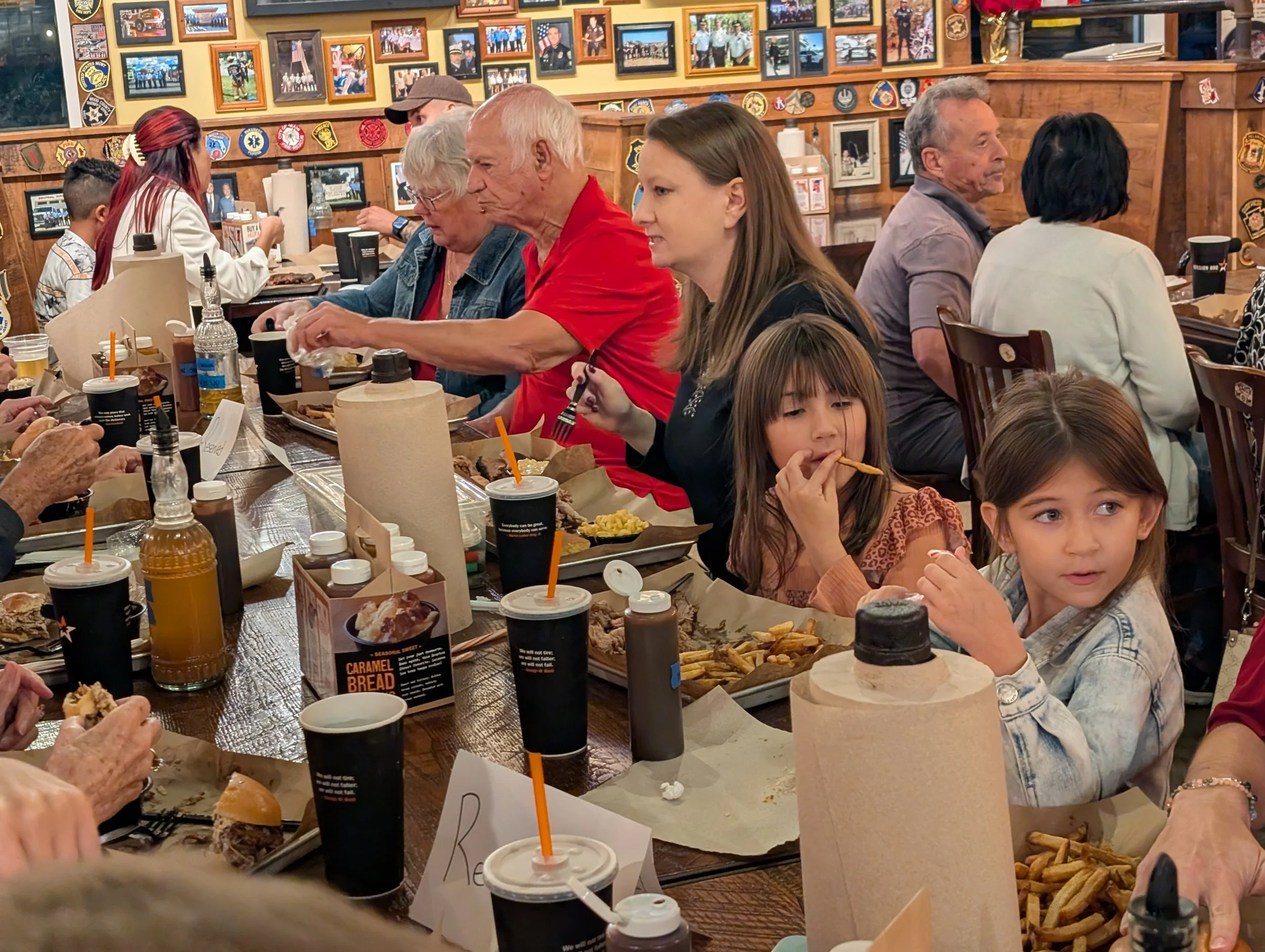
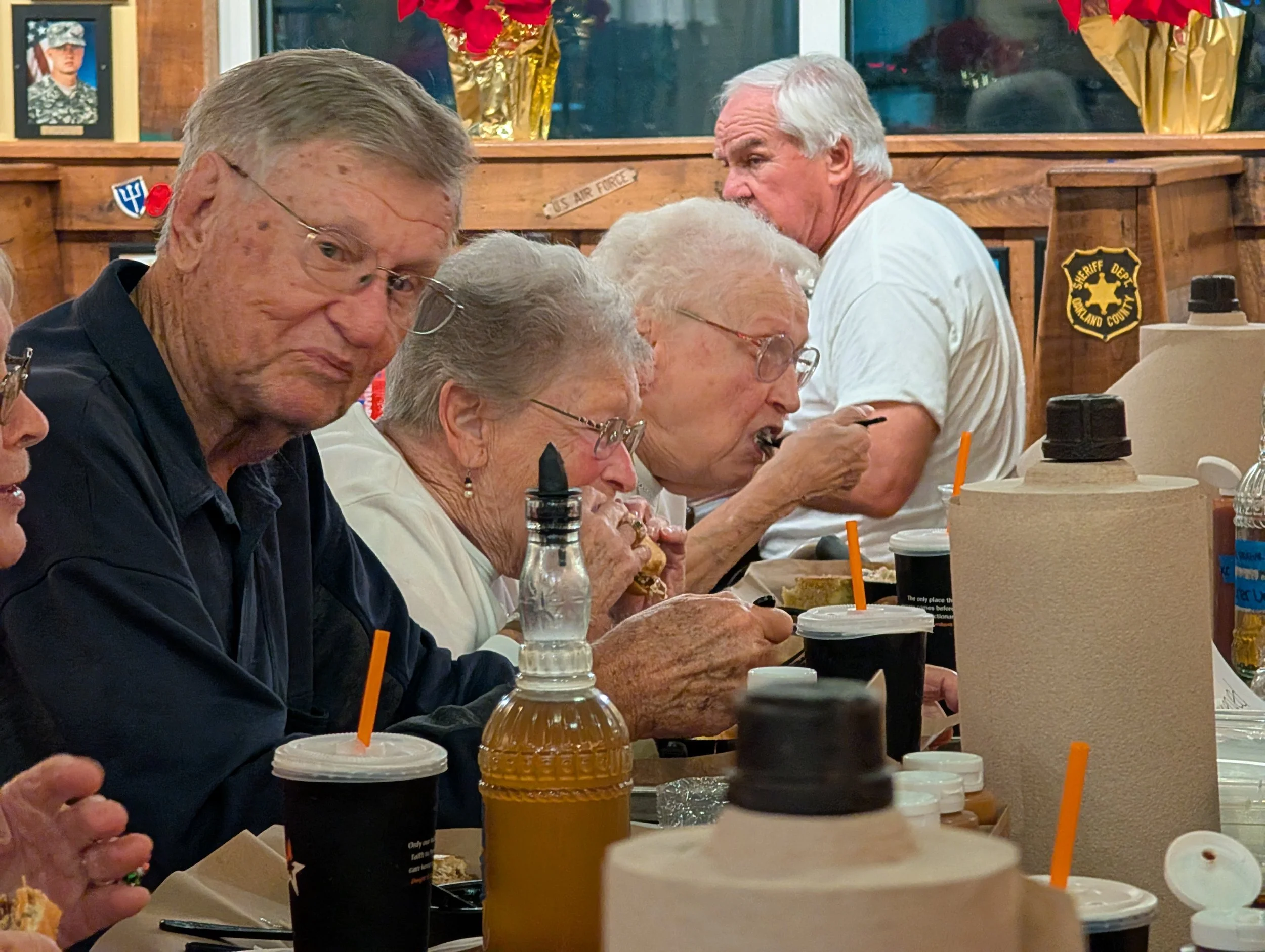
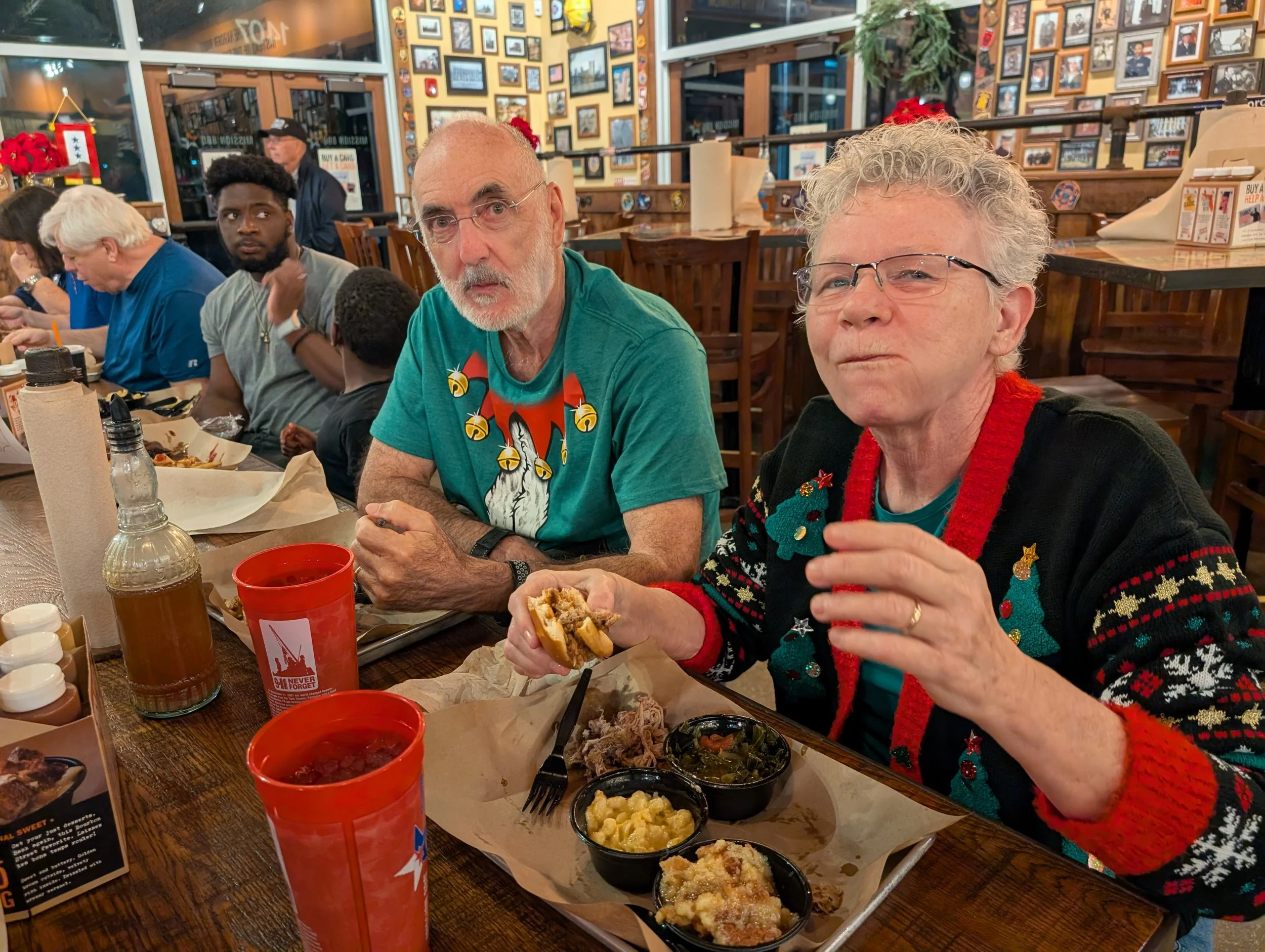
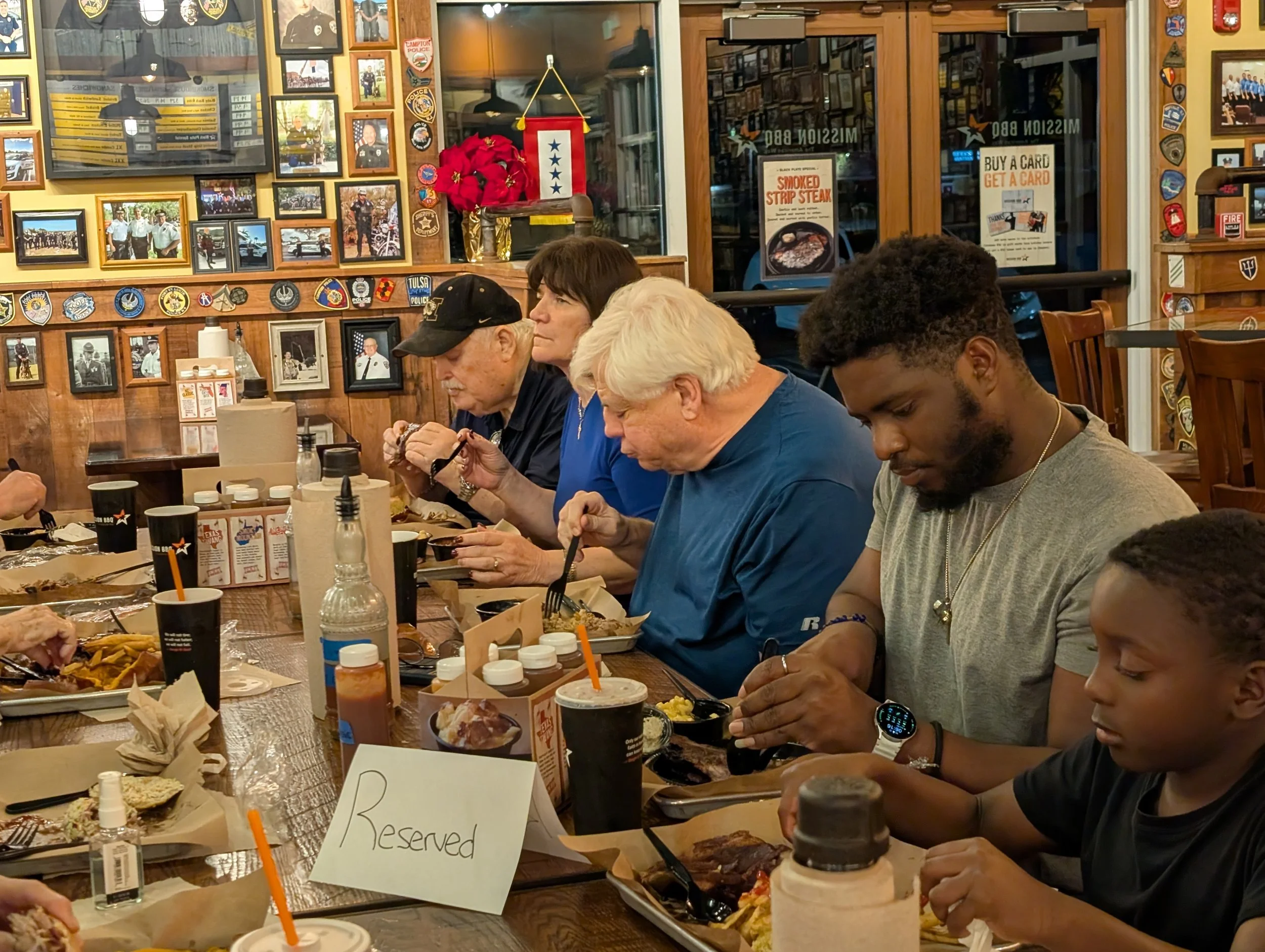
![Christmas Dinner at Mission BBQ [photos]](https://images.squarespace-cdn.com/content/v1/5852f18a20099e30cd2c01dc/1766111458710-ULPCKS16DAZCMUN7LI93/PXL_20251218_000243197.jpg)
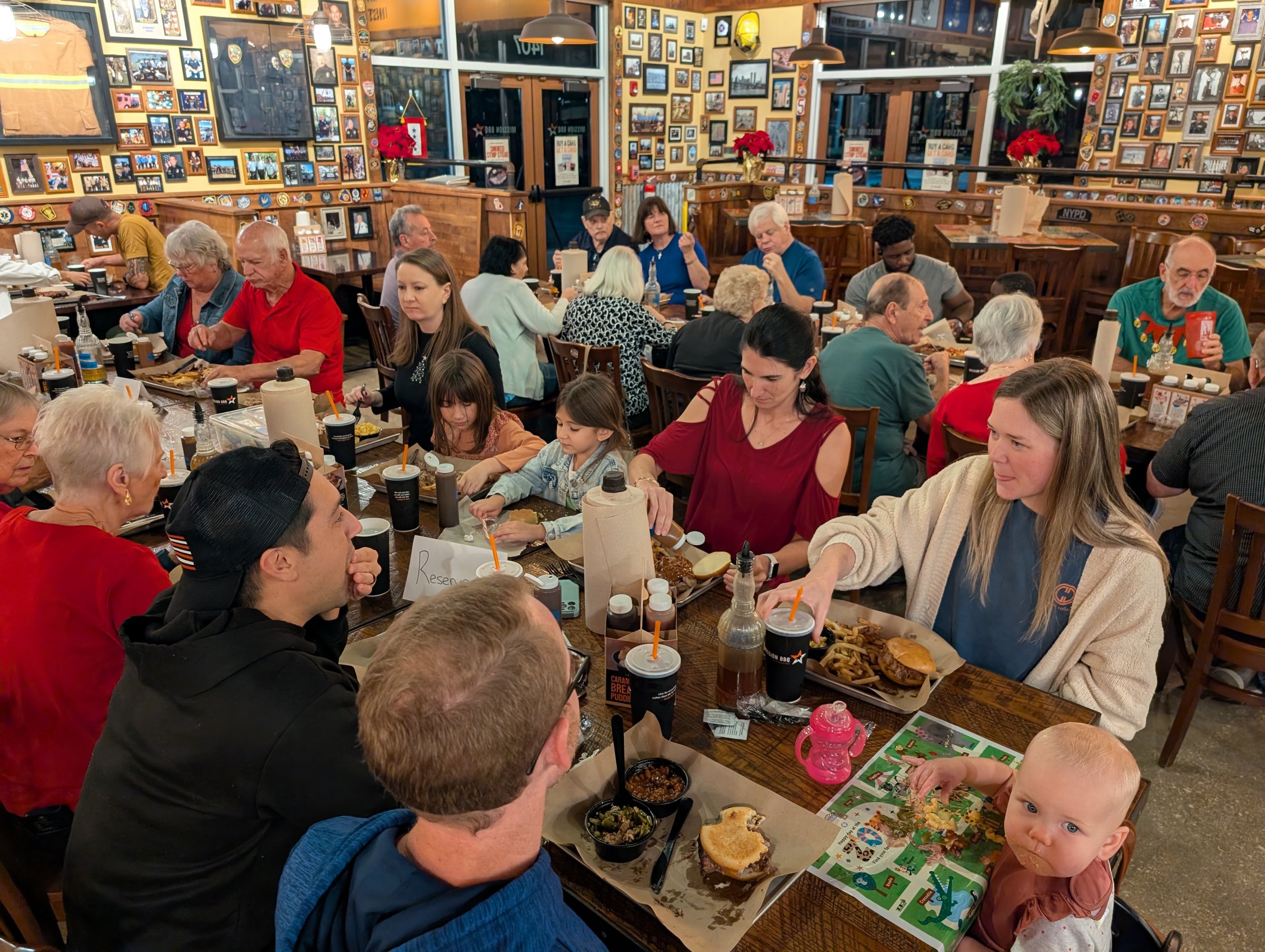
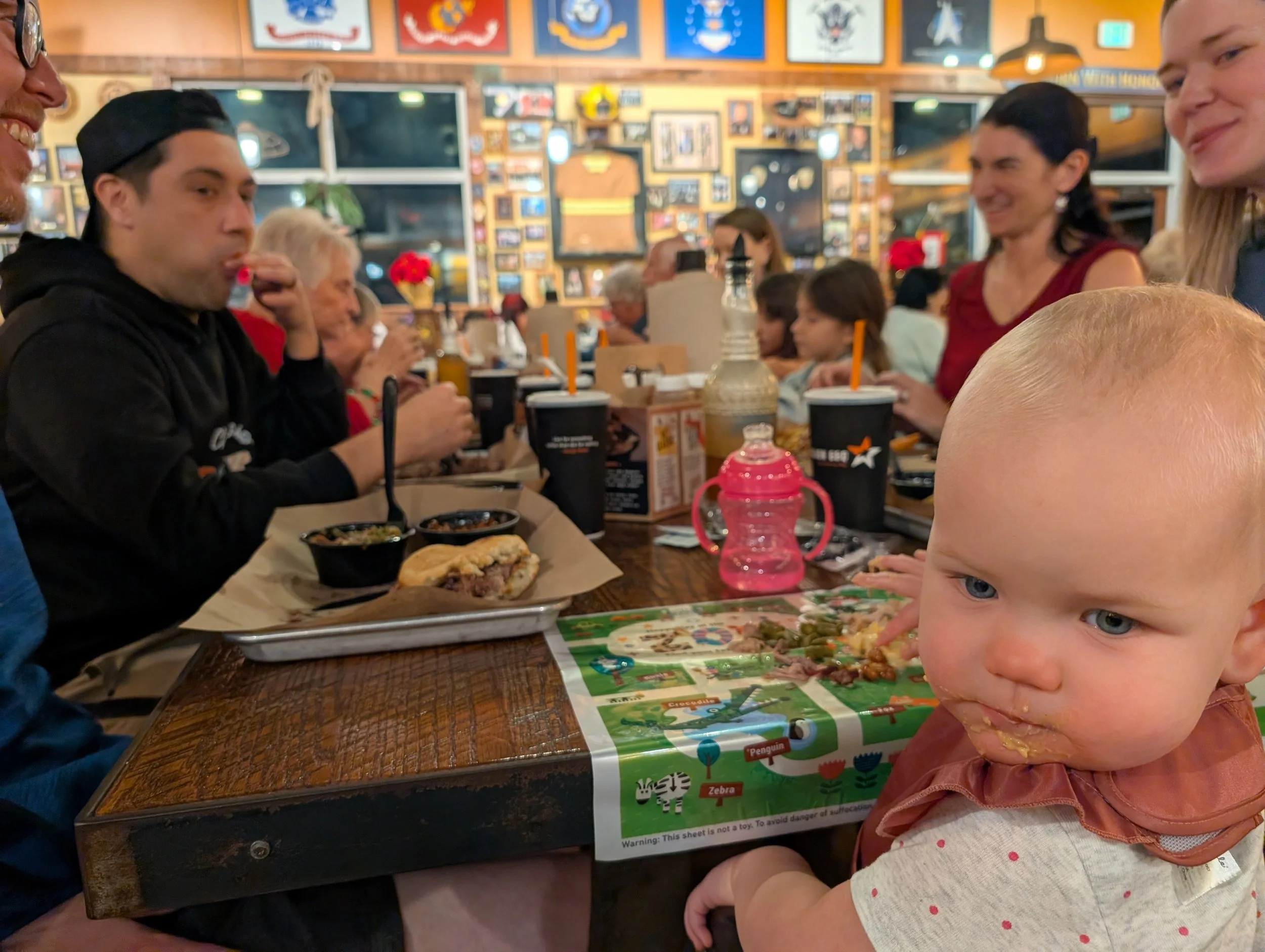
Christmas Dinner at Mission BBQ [photos]
Enjoying Christmas Dinner Together.
It was our mission to eat BBQ. Thirty of us enjoyed each other’s company, shared a few laughs, and celebrated the annual Grace Christmas Dinner.





The Grinch of Advent
John the Baptist comes to our Whoville churches and rains on our Christmas parades.
My son has been obsessed with the Grinch lately. The book, the old school and new school animated movies, and especially the live-action movie starring a zany Jim Carrey dressed in green fur. As you might know, and as I have been forced to remember with each viewing, the Grinch lives above Whoville, out in the wilderness of the mountains. He is alone, shouting down at the town odd ramblings of his detest for Christmas. His diet consists of trash and glass. He is eccentric, angry, and as we later learn, misunderstood.
John the Baptist isn’t furry, but he does rock camel’s………….
Read the whole article at https://mbird.com/holidays/advent/the-grinch-of-advent/
From manna in the wilderness to the groceries in your cart, discover how God actively provides for us through Jesus and the vocation of others.